

Last updated: February 23, 2026
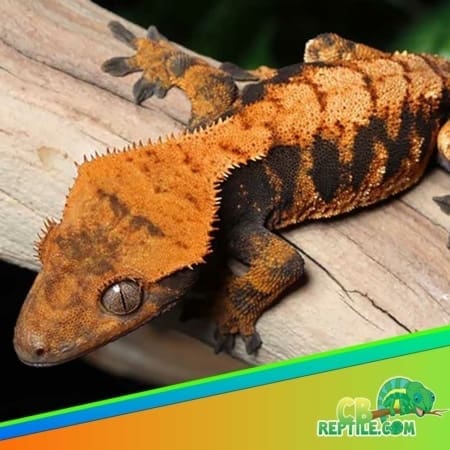
When you’re searching for young adult crested geckos for sale, you’re looking at one of the best life stages to purchase these popular New Caledonian reptiles. Young adults (typically 8-15 months old) have passed the delicate hatchling phase, developed their adult coloration, and are ready to thrive in their new homes with minimal risk compared to younger specimens.
I’ve worked with crested geckos for years, and I can tell you that young adults offer the perfect balance between established health and long lifespan potential. They’re hardy enough to handle the transition to a new environment while still giving you 15-20 years of companionship ahead.
Key Takeaways
- Young adult crested geckos are 8-15 months old, weighing 15-35 grams, with fully developed adult coloration and patterns
- Prices range from $75-$500+ depending on morph rarity, with common morphs starting around $75-150 and designer morphs reaching $300-500
- Health advantages include established feeding patterns, visible adult traits, and lower mortality risk compared to hatchlings
- Reputable breeders like CBReptile.com provide health guarantees, lineage information, and proper quarantine protocols
- Habitat requirements include 18x18x24 inch vertical terrariums with temperatures between 72-78°F and humidity at 60-80%
- Diet consists of commercial crested gecko diet (CGD) 3-4 times weekly plus appropriately-sized insects 1-2 times weekly
- Shipping is safest during moderate weather months (spring and fall) with overnight delivery and heat/cold packs as needed
Quick Answer
Young adult crested geckos for sale represent the ideal purchase point for both new and experienced reptile keepers. These geckos have reached 8-15 months of age, display their full adult coloration and pattern, and have established reliable feeding habits. Expect to pay $75-500 depending on morph rarity, and purchase from reputable crested gecko breeders who offer health guarantees and proper documentation.
What Defines a Young Adult Crested Gecko?
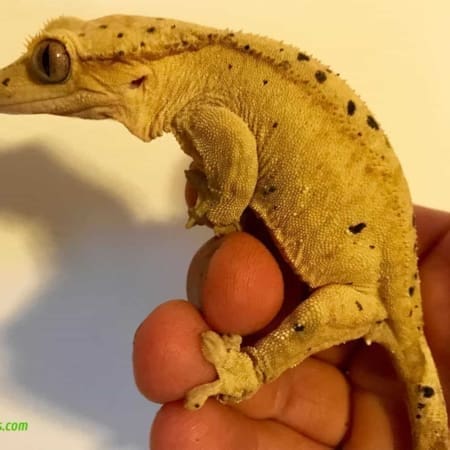
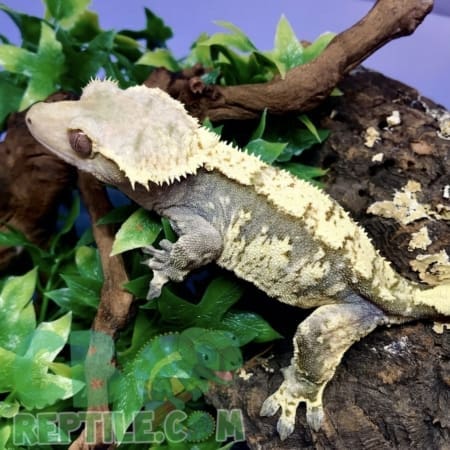
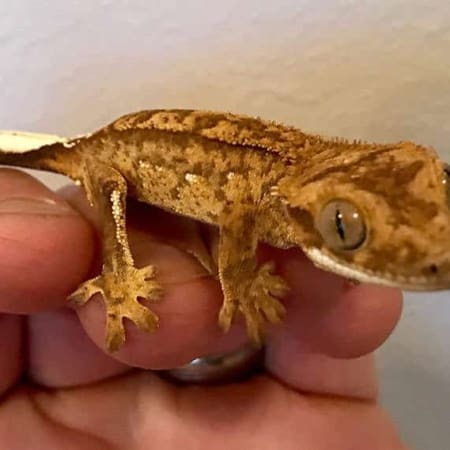
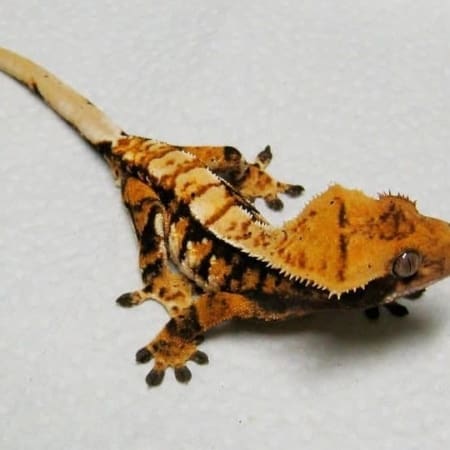
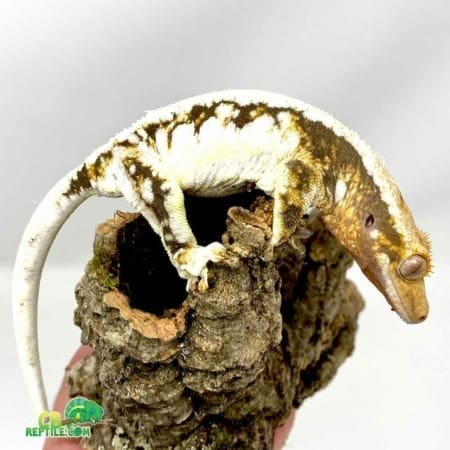
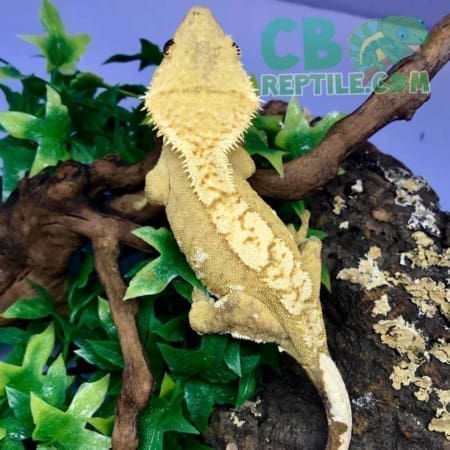
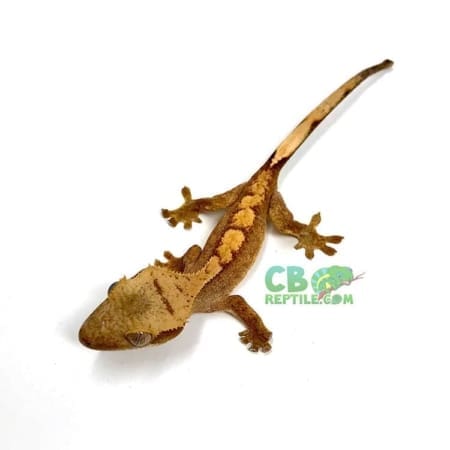
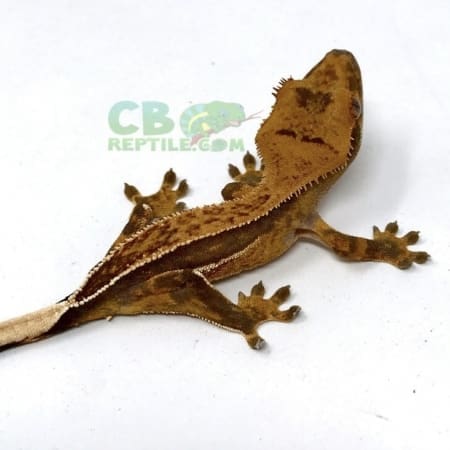
A young adult crested gecko is a specimen between 8-15 months old that has completed initial growth phases but hasn’t reached full adult size. These geckos typically weigh 15-35 grams and measure 6-8 inches in total length, with their adult coloration and pattern fully visible.
The young adult stage offers several distinct advantages over younger life stages:
Physical characteristics:
- Weight: 15-35 grams (compared to 2-5 grams for hatchlings)
- Length: 6-8 inches total (including tail)
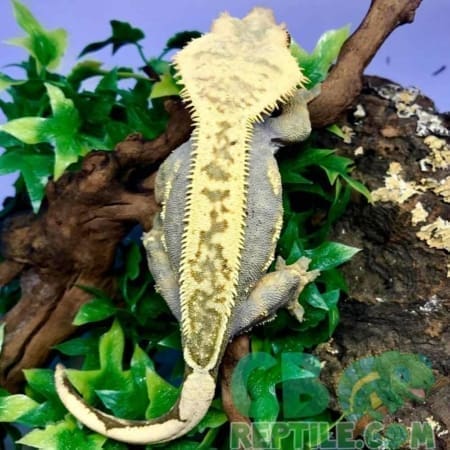
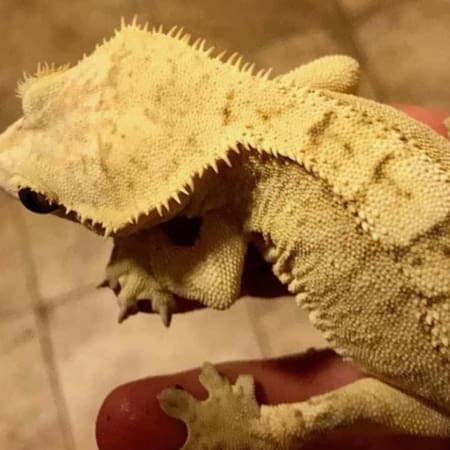
- Fully developed crest along head and back
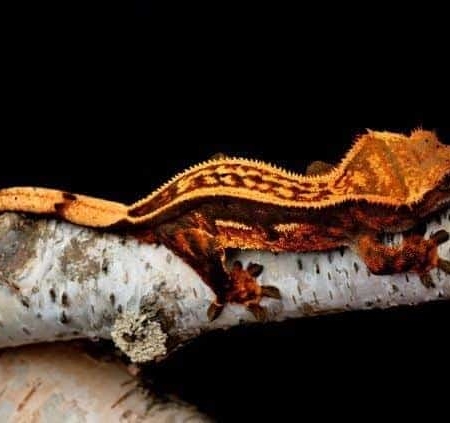
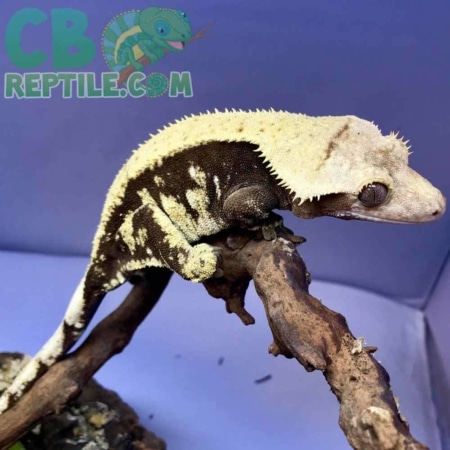
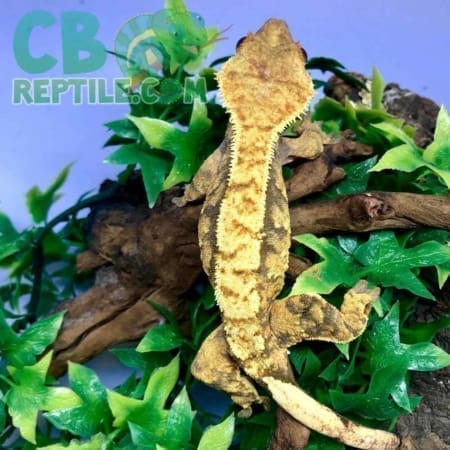
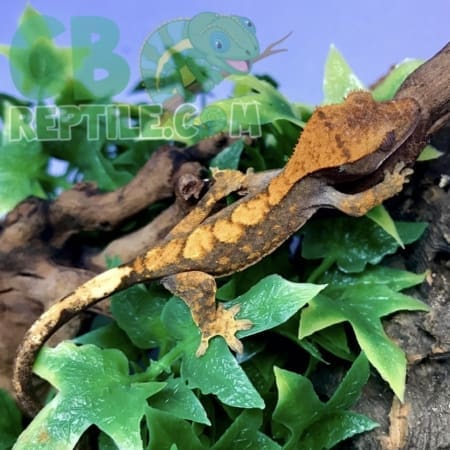
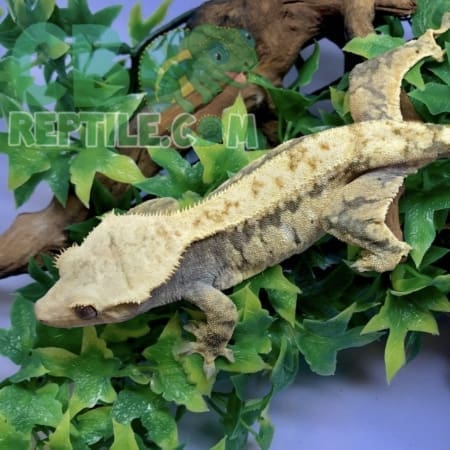
- Complete adult coloration and pattern expression
- Visible sex characteristics in most specimens
Behavioral traits:
- Established feeding response to both prepared diet and insects
- Consistent bathroom habits and activity patterns
- More tolerant of handling than hatchlings
- Stable temperament indicators visible
Health advantages:
- Past the high-risk hatchling mortality window
- Proven feeders with documented eating history
- Developed immune systems better equipped for environmental changes
- Visible health status easier to assess
The young adult stage is when crested geckos transition from vulnerable juveniles to robust sub-adults. Their patterns have “fired up” to show true adult appearance, making morph identification accurate. If you’re comparing options, check out our crested gecko morphs guide to understand the variety available.
Common mistake: Don’t confuse “well-started babies” (3-6 months) with young adults. While both are past the hatchling stage, young adults have several more months of growth and development, making them significantly hardier.
Why Choose Young Adult Crested Geckos for Sale Over Other Life Stages?
Young adult crested geckos offer the best risk-to-reward ratio for most buyers. They combine the health stability of adults with the longevity potential of younger specimens, while displaying their true adult appearance for accurate morph selection.
Advantages over hatchlings:
- Lower mortality risk: Hatchlings (0-3 months) have mortality rates of 10-20% even with expert care, while young adults are established and hardy
- Visible traits: Adult coloration is fully expressed, so you see exactly what you’re getting
- Easier care: Established feeding patterns mean less worry about finicky eaters
- Better handling: More size and stability for interaction without stress
Advantages over full adults:
- Longer lifespan ahead: 15-20 years remaining versus 10-15 for a 3-year-old adult
- Lower initial cost: Young adults typically cost 20-30% less than proven breeding adults
- Easier bonding: More adaptable to new environments and handlers
- Growth potential: Still have 30-40% of their growth remaining
Advantages over juveniles (3-7 months):
- Pattern certainty: Juvenile patterns can still shift slightly; young adults show final appearance
- Sex determination: More reliable visual sexing possible
- Feeding confidence: Longer track record of consistent eating
Choose young adults if you want a crested gecko that’s past the risky early months but still has decades of life ahead. This is the sweet spot that experienced keepers and reputable sellers like CBReptile.com recommend for first-time buyers.
Decision rule: Choose hatchlings only if you’re an experienced keeper wanting to raise from the beginning. Choose young adults if you want reliability and visible traits. Choose full adults only if you need proven breeders or want immediate breeding projects.
Where to Find Quality Young Adult Crested Geckos for Sale
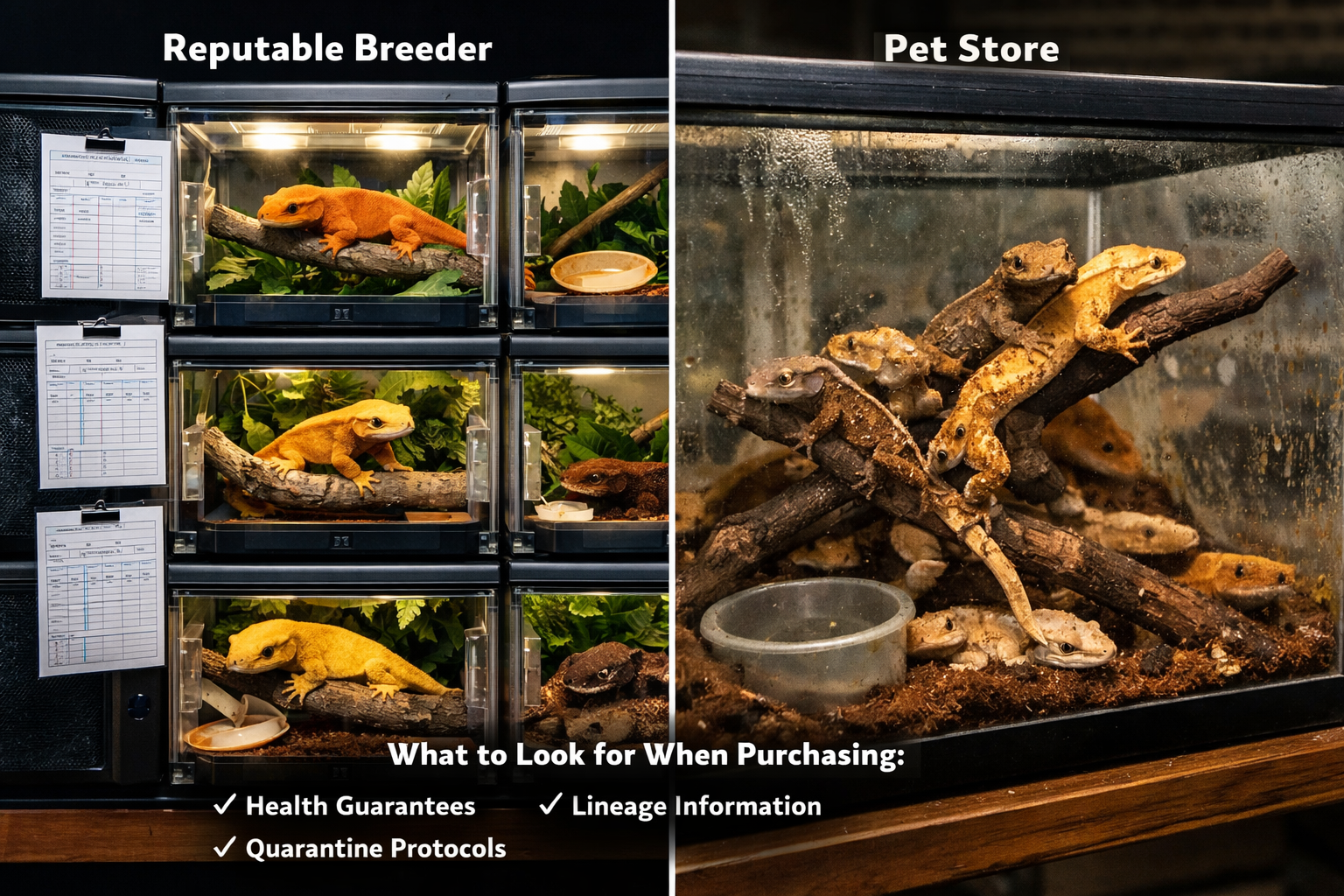
Finding healthy young adult crested geckos requires knowing where to look and what red flags to avoid. Reputable sources provide health guarantees, transparent lineage information, and proper quarantine protocols.
Best sources for young adult crested geckos:
Specialized reptile breeders:
- CBReptile.com stands out as one of the best crested gecko breeders in the USA, offering captive-bred specimens with health guarantees
- Provide detailed morph information and genetics
- Offer live arrival guarantees and health certifications
- Maintain proper quarantine protocols between shipments
- Give feeding records and care instructions
Online reptile marketplaces:
- MorphMarket and similar platforms connect you with multiple breeders [7]
- Allow comparison shopping across different morphs and prices
- Include breeder ratings and customer reviews
- Verify seller credentials before purchasing
Reptile expos and shows:
- See specimens in person before buying
- Meet breeders face-to-face and ask questions
- Compare multiple vendors in one location
- Avoid shipping stress with direct pickup
What to avoid:
- Big box pet stores: Often source from wholesalers with unknown genetics and questionable care standards
- Unverified online sellers: No health guarantees or return policies
- Sellers without photos: Current photos should show the exact gecko you’re purchasing
- No feeding records: Reputable sellers document feeding history
When shopping at a quality online reptile store, look for these indicators of responsible breeding:
Quality indicators checklist:
- ✓ Individual photos of each gecko available
- ✓ Detailed morph and lineage information
- ✓ Written health guarantee (minimum 7 days)
- ✓ Feeding records provided
- ✓ Proper shipping protocols with weather holds
- ✓ Responsive customer service
- ✓ Educational care resources available
- ✓ Transparent about any defects or issues
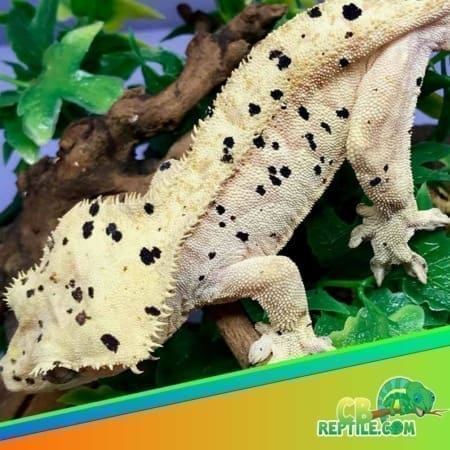
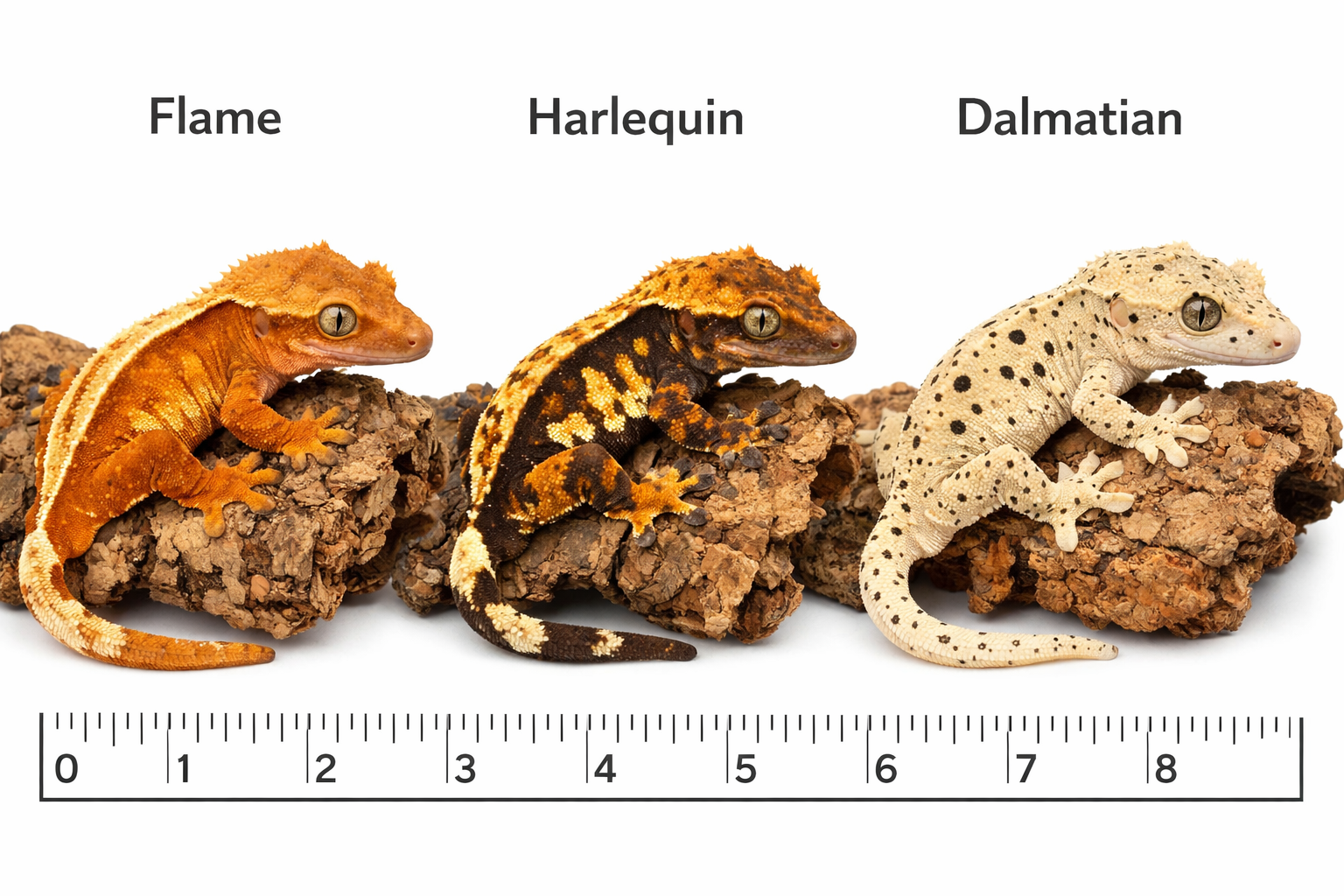
CBReptile.com maintains these standards across their entire inventory, from flame crested geckos to dalmatian crested geckos, ensuring you receive a healthy, well-started specimen.
Edge case: If you’re purchasing during extreme weather (summer heat waves or winter freezes), reputable breeders will hold your order until temperatures moderate. This protects the gecko during shipping and shows the seller prioritizes animal welfare over quick sales.
How Much Do Young Adult Crested Geckos for Sale Cost?
Young adult crested geckos typically cost between $75-500, with pricing determined primarily by morph rarity, pattern quality, and breeder reputation. Common morphs start around $75-150, while designer morphs with exceptional traits can reach $300-500 or more [2][3].
Price breakdown by morph category:
| Morph Type | Price Range | Examples |
|---|---|---|
| Basic/Common | $75-$150 | Standard browns, basic flames, simple patterns |
| Mid-Grade | $150-$250 | Harlequin crested geckos, tiger crested geckos, clean dalmations |
| High-End | $250-$400 | Pinstripe crested geckos, tricolors, exceptional patterns |
| Designer/Rare | $400-$500+ | Designer crested geckos with multiple high-quality traits |
Factors affecting price:
Pattern quality:
- Clean, bold patterns command premium prices
- Symmetrical markings increase value
- High contrast between colors adds 20-40% to base price
- Unique or rare pattern combinations justify higher costs
Color intensity:
- Vibrant, saturated colors cost more than muted tones
- “Fired up” appearance during viewing indicates good color genetics
- Reds, oranges, and yellows typically price higher than browns and grays
Lineage and genetics:
- Offspring from proven breeding lines cost 30-50% more
- Known genetics allow prediction of breeding outcomes
- Award-winning parentage significantly increases value
Breeder reputation:
- Established breeders with health guarantees charge premium prices
- Track record of healthy animals justifies higher costs
- Customer service and support add value beyond the gecko itself
Additional costs to budget:
Beyond the gecko purchase price, plan for these expenses:
- Habitat setup: $150-300 for proper crested gecko habitat including terrarium, branches, plants
- Heating/lighting: $40-80 for appropriate temperature control
- Initial supplies: $50-100 for food, supplements, water dishes, substrate
- Shipping: $40-70 for overnight delivery if purchasing online
- Veterinary exam: $50-100 for initial health check (recommended)
Monthly ongoing costs:
- Food and supplements: $15-25
- Electricity for heating: $5-10
- Replacement supplies: $5-15
Decision rule: Choose based on your goals. If you want a pet for enjoyment, common morphs at $75-150 offer excellent value and identical care requirements. If you’re interested in breeding or showing, invest in higher-grade specimens with documented lineage. Don’t overpay for “rare” morphs from unknown sellers without health guarantees.
Common mistake: Focusing solely on initial purchase price while ignoring habitat costs. A $75 gecko needs the same $200-300 habitat setup as a $400 gecko. Budget for the complete package, not just the animal.
What to Look for When Buying Young Adult Crested Geckos
Buying a healthy young adult crested gecko requires careful inspection of physical condition, behavior, and documentation. A quality specimen should be alert, well-fed, and free from visible health issues.
Physical health indicators:
Body condition:
- Healthy weight with visible but not prominent hip bones
- Plump tail base (fat storage area) without signs of tail loss
- Clear, bright eyes without cloudiness or discharge
- Clean vent area with no stuck shed or fecal matter
- Smooth skin without lesions, cuts, or retained shed
Structural soundness:
- All toes present with intact sticky toe pads
- Straight limbs without deformities
- Properly formed jaw and mouth (no underbite/overbite)
- Complete crest along head and back
- Original tail or clean regeneration if tail was dropped
Activity and behavior:
- Alert and responsive to movement
- Appropriate defensive response (not lethargic)
- Coordinated movement when climbing
- Normal breathing (no gaping or wheezing)
- Appropriate “fired up” or “fired down” color changes
Red flags to avoid:
- Sunken eyes: Indicates dehydration or illness
- Visible ribs/hip bones: Sign of malnutrition or parasites
- Lethargy: Healthy geckos are alert, especially at night
- Stuck shed: Indicates humidity problems or health issues
- Missing toes: May indicate poor breeding or care (some toe loss is acceptable if healed)
- Mouth breathing: Potential respiratory infection
- Lumps or bumps: Could indicate abscesses or other health problems
Questions to ask sellers:
Before purchasing young adult crested geckos for sale, get clear answers to these questions:
- What is the exact hatch date? (Confirms true age)
- What are they currently eating? (Should have established diet)
- How often do they eat? (Should be 3-4 times weekly minimum)
- What is the feeding schedule? (Helps with transition)
- Have they had any health issues? (Transparency is crucial)
- What are the parents’ morphs? (Confirms genetics)
- What health guarantee do you offer? (Minimum 7 days standard)
- What are the shipping conditions? (Temperature ranges, packaging methods)
Documentation to request:
- Feeding records showing consistent eating
- Hatch date or age verification
- Morph/genetics information
- Health guarantee in writing
- Care instructions specific to the morph
- Shipping tracking and insurance
Reputable sellers like those offering reptiles for sale online provide all this documentation without prompting. If a seller hesitates to answer questions or provide records, consider it a red flag.
Inspection checklist for in-person purchases:
- ☐ Observe the gecko in its current enclosure
- ☐ Watch it climb and move naturally
- ☐ Check for alert, responsive behavior
- ☐ Inspect all toes, tail, and body condition
- ☐ Verify feeding by asking to see it eat (if possible)
- ☐ Review the breeding facility cleanliness
- ☐ Ask to see parent geckos (if available)
- ☐ Get written health guarantee before leaving
Edge case: If you’re purchasing a gecko with minor cosmetic issues (healed toe loss, tail regeneration), make sure the price reflects this and get written confirmation that these are the only issues. Some breeders offer “pet quality” geckos at reduced prices, which can be excellent deals for non-breeding purposes.
Setting Up the Perfect Habitat for Young Adult Crested Geckos
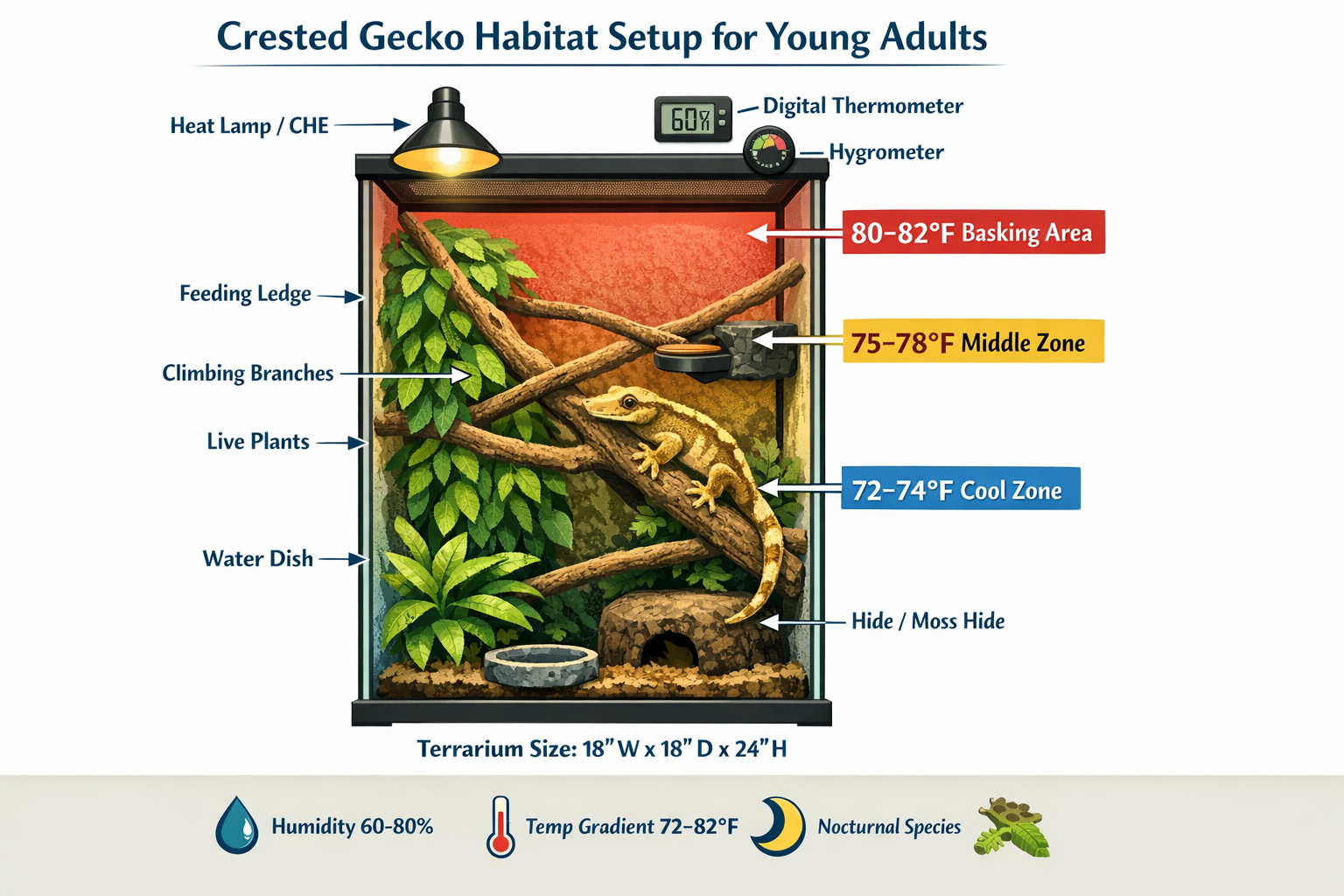
Young adult crested geckos need vertical terrariums with specific temperature, humidity, and furnishing requirements. A proper setup before your gecko arrives reduces stress and ensures successful acclimation.
Terrarium specifications:
Size requirements:
- Minimum: 18x18x24 inches (vertical orientation) for one gecko
- Recommended: 18x18x36 inches for optimal climbing space
- Adult size: 24x18x36 inches (can house young adults and they’ll grow into it)
Browse quality gecko habitats for sale to find appropriate enclosures. Glass terrariums with front-opening doors work best for crested geckos.
Temperature and humidity:
Temperature ranges:
- Daytime: 72-78°F (ideal around 75°F)
- Nighttime: 65-72°F (natural drop is beneficial)
- Basking spot: Not required (crested geckos are temperature-sensitive)
- Maximum safe temperature: 80°F (higher temps cause stress)
Learn more about crested gecko temperature requirements to avoid common heating mistakes.
Humidity levels:
- Target range: 60-80%
- Morning misting: Raise to 80-90% temporarily
- Evening dry period: Allow drop to 50-60%
- Monitoring: Use digital hygrometer for accuracy
Essential furnishings:
Climbing structures:
- Cork bark pieces (vertical and horizontal)
- Bamboo poles or branches (various diameters)
- Artificial or live vines for coverage
- Multiple levels at different heights
Plants and coverage:
- Live plants: Pothos, snake plants, bromeliads (add humidity)
- Artificial plants: Silk or plastic vines (easier maintenance)
- Dense foliage in upper two-thirds of enclosure
- Hiding spots at multiple levels
Substrate options:
- Paper towels (easiest, best for quarantine)
- Coconut fiber/coir (naturalistic, holds humidity)
- Cypress mulch (good humidity retention)
- Avoid: Sand, calcium sand, walnut shell (impaction risk)
Feeding and water stations:
- Magnetic feeding ledge in upper third of tank
- Shallow water dish at ground level
- Multiple feeding locations for variety
- Easy access for gecko to find food
Lighting needs:
Crested geckos don’t require UVB lighting but benefit from it:
- Optional UVB: Low-level 5.0 UVB bulb for 10-12 hours daily
- LED lighting: Provides day/night cycle without heat
- Natural room lighting: Sufficient if room has windows
- Avoid: Heat lamps, bright basking lights (cause stress)
For detailed setup instructions, review our crested gecko habitat setup guide with step-by-step directions.
Setup timeline before gecko arrival:
- Week 1: Purchase and assemble terrarium
- Week 1: Install substrate, branches, and furnishings
- Week 1: Add plants and arrange climbing areas
- Days 2-3: Test temperature and humidity levels
- Days 2-3: Adjust misting schedule and ventilation
- Day before arrival: Final check of all parameters
- Arrival day: Have quarantine setup ready if needed
Common mistakes to avoid:
- Too much heat: Crested geckos are cool-temperature species; overheating causes serious health issues
- Insufficient height: These are arboreal geckos that need vertical space more than floor space
- No humidity gradient: Constant high humidity causes respiratory issues; allow dry periods
- Bare enclosures: Stressed geckos need multiple hiding spots and dense coverage
- Ground-level feeding only: Crested geckos prefer elevated feeding stations
Decision rule: If you’re new to reptile keeping, start with a simple paper towel substrate setup and artificial plants. Once you’re comfortable with care routines, upgrade to a bioactive naturalistic setup with live plants. Both work equally well for the gecko’s health.
Feeding and Nutrition for Young Adult Crested Geckos
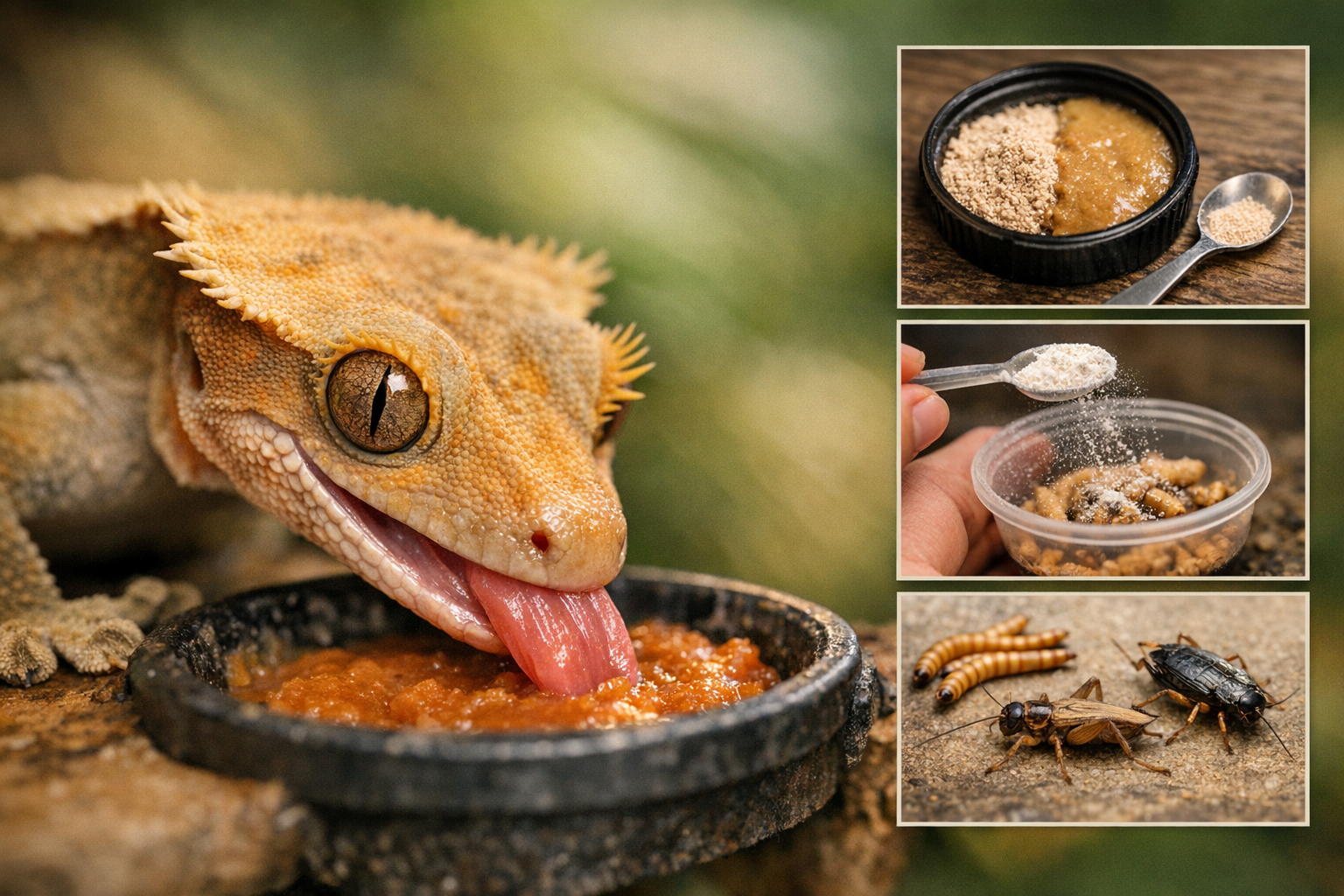
Young adult crested geckos thrive on a diet combining commercial crested gecko diet (CGD) with occasional live insects. Proper nutrition during this growth phase ensures healthy development and vibrant coloration.
Commercial crested gecko diet (primary food):
The foundation of a young adult’s diet should be powdered crested gecko diet mixed with water:
Feeding schedule:
- Frequency: 3-4 times per week
- Amount: 1-2 teaspoons of prepared diet per feeding
- Timing: Evening (crested geckos are nocturnal)
- Removal: Replace after 24-36 hours to prevent spoilage
Popular CGD brands:
- Repashy Crested Gecko Diet (original and most widely used)
- Pangea Fruit Mix Complete (multiple flavors)
- Lugarti Crested Gecko Diet
- Zoo Med Crested Gecko Food
For comprehensive feeding information, see our crested gecko diet guide with mixing instructions and brand comparisons.
Mixing instructions:
- Use 2 parts powder to 1 part water by volume
- Mix to consistency of ketchup or applesauce
- Let sit 5 minutes before serving
- Serve at room temperature
Live insect supplementation:
Young adult crested geckos benefit from insects 1-2 times weekly:
Appropriate insects:
- Crickets (1/4 to 3/8 inch size)
- Dubia roaches (small to medium)
- Black soldier fly larvae
- Occasional waxworms or hornworms (treats only)
Insect feeding guidelines:
- Size rule: No larger than the space between the gecko’s eyes
- Quantity: 3-5 appropriately-sized insects per feeding
- Gut-loading: Feed insects nutritious food 24 hours before offering
- Dusting: Coat insects with calcium powder before feeding
Supplementation schedule:
| Feeding Type | Supplement | Frequency |
|---|---|---|
| CGD only | None needed (complete nutrition) | 3-4x weekly |
| Insects | Calcium without D3 | Every insect feeding |
| Insects | Calcium with D3 | 1x weekly |
| Insects | Multivitamin | 1x every 2 weeks |
Feeding behavior and troubleshooting:
Normal feeding patterns:
- Eating 3-4 times weekly consistently
- Finishing most or all offered food
- Visible fecal matter 1-2 times weekly
- Active hunting behavior with insects
Warning signs:
- Refusing food for 2+ weeks (may indicate illness)
- Weight loss despite regular feeding (parasites possible)
- Eating substrate instead of food (nutritional deficiency)
- Regurgitation after feeding (temperature or health issue)
Seasonal variations:
- Reduced appetite during winter months is normal
- Breeding season (spring) may increase or decrease appetite
- Growth spurts may cause increased food consumption
Water requirements:
- Fresh water available 24/7 in shallow dish
- Daily misting provides drinking droplets
- Geckos often drink from misted surfaces
- Change water daily to prevent bacterial growth
Common feeding mistakes:
- Overfeeding insects: Too many insects can cause obesity and nutritional imbalance
- Leaving CGD too long: Spoiled food causes digestive issues
- Wrong insect size: Too-large insects cause impaction or choking
- No variety: Rotating CGD flavors and insect types provides balanced nutrition
- Inconsistent schedule: Erratic feeding creates stress and digestive problems
Decision rule: If your young adult gecko consistently eats CGD 3-4 times weekly, insects are optional enrichment rather than necessity. If the gecko refuses CGD, insects can be used to maintain nutrition while you work on transitioning to a complete diet.
Health Considerations and Veterinary Care
Young adult crested geckos are generally hardy, but knowing common health issues and when to seek veterinary care ensures your gecko’s long-term wellbeing. Preventive care and early problem detection are key to avoiding serious illness.
Common health issues in young adults:
Metabolic Bone Disease (MBD):
- Caused by calcium/vitamin D3 deficiency
- Symptoms: Soft jaw, kinked tail, tremors, difficulty climbing
- Prevention: Proper supplementation and optional UVB lighting
- Treatment: Veterinary care with calcium injections and diet correction
Stuck shed:
- Caused by low humidity or dehydration
- Symptoms: Retained skin, especially on toes and tail tip
- Prevention: Maintain 60-80% humidity with daily misting
- Treatment: Warm water soaks and gentle removal with damp cotton swab
Floppy Tail Syndrome (FTS):
- Genetic condition causing tail to curl or hang limply
- Symptoms: Tail lacks normal rigidity, may curl over back
- Prevention: None (genetic), avoid breeding affected geckos
- Impact: Cosmetic only, doesn’t affect health or quality of life
Respiratory infections:
- Caused by temperatures too low or humidity extremes
- Symptoms: Wheezing, gaping mouth, mucus around nostrils
- Prevention: Maintain proper temperature (72-78°F) and humidity gradients
- Treatment: Veterinary antibiotics required
Parasites (internal):
- Common in wild-caught but rare in captive-bred specimens
- Symptoms: Weight loss despite eating, runny stools, lethargy
- Prevention: Purchase from reputable breeders, quarantine new arrivals
- Treatment: Veterinary fecal exam and prescribed anti-parasitic medication
When to seek veterinary care:
Immediate veterinary attention needed:
- Refusal to eat for 3+ weeks
- Visible weight loss or sunken eyes
- Labored breathing or mouth gaping
- Prolapsed tissue from vent
- Severe injury or bleeding
- Neurological symptoms (circling, seizures)
Schedule appointment soon:
- Stuck shed that won’t come off after soaking
- Soft stool lasting more than a few days
- Decreased activity level for extended period
- Unusual lumps or swelling
- Eye cloudiness or discharge
Routine care:
- Annual wellness exam (recommended)
- Fecal parasite check every 12-18 months
- Weight monitoring monthly at home
Finding a reptile veterinarian:
Not all vets treat reptiles. Find a qualified exotic animal veterinarian before you need one:
- Search Association of Reptile and Amphibian Veterinarians (ARAV) directory
- Call local vet offices and ask about reptile experience
- Ask other reptile keepers for recommendations
- Verify the vet has treated crested geckos specifically
Quarantine protocols:
When bringing home young adult crested geckos for sale, proper quarantine protects existing reptiles:
Quarantine setup:
- Separate room from other reptiles (minimum 30 days)
- Simple enclosure with paper towel substrate
- Dedicated feeding tools and cleaning supplies
- Wash hands between handling different animals
Quarantine monitoring:
- Daily observation for eating, defecation, behavior
- Weekly weight checks
- Watch for signs of illness or parasites
- Consider fecal exam before introducing to collection
Preventive care checklist:
- ☐ Maintain proper temperature (72-78°F)
- ☐ Keep humidity 60-80% with daily misting
- ☐ Provide complete nutrition with CGD and supplements
- ☐ Clean and disinfect enclosure monthly
- ☐ Remove uneaten food within 24-36 hours
- ☐ Monitor weight monthly
- ☐ Inspect for stuck shed after each shed cycle
- ☐ Watch for changes in behavior or appetite
- ☐ Keep veterinary contact information accessible
Record keeping:
Maintain a health log for each gecko:
- Purchase date and source
- Hatch date and age
- Initial weight and monthly weights
- Feeding schedule and food consumed
- Shed dates and any stuck shed issues
- Veterinary visits and treatments
- Any unusual behaviors or health concerns
Edge case: If you notice your young adult gecko has floppy tail syndrome after purchase, this is a cosmetic issue only and doesn’t affect health. However, if you purchased the gecko for breeding purposes, contact the seller as this genetic condition shouldn’t be passed on. Reputable breeders will work with you on a resolution.
Handling and Socialization Tips
Young adult crested geckos tolerate handling better than hatchlings but still require gentle, patient interaction. Proper handling techniques reduce stress and help your gecko become comfortable with you.
Initial acclimation period:
Don’t handle your new gecko immediately after arrival. Allow proper adjustment time:
First 3-5 days:
- No handling at all
- Minimal interaction (feeding and misting only)
- Observe from outside enclosure
- Let gecko explore new habitat
Days 5-14:
- Brief handling sessions (2-3 minutes)
- Once every 2-3 days maximum
- Gentle hand-feeding attempts
- Build trust gradually
After 2 weeks:
- Increase handling to 5-10 minutes
- Can handle 3-4 times weekly
- Monitor stress signals
- Adjust based on individual temperament
Proper handling techniques:
How to pick up a crested gecko:
- Approach slowly from the side (not from above)
- Allow gecko to walk onto your hand voluntarily when possible
- If picking up, gently scoop from underneath
- Support the body with your palm
- Never grab the tail (they drop tails easily)
During handling:
- Keep movements slow and deliberate
- Stay low over a soft surface (bed, couch)
- Limit sessions to 10-15 minutes maximum
- Handle in evening when geckos are naturally active
- Wash hands before and after handling
Stress signals to watch for:
- Tail wagging: Warning sign, gecko is stressed
- Jumping attempts: Trying to escape, end session
- Mouth gaping: Defensive behavior, put gecko back
- Vocalizations: Squeaking or chirping indicates stress
- Tail drop: Extreme stress response (tail will regenerate but never looks the same)
If you see these signs, return the gecko to its enclosure and try again another day with shorter sessions.
Temperament variations:
Individual crested geckos have distinct personalities:
Calm/docile geckos:
- Sit calmly on hand
- Minimal jumping or escape attempts
- Tolerate longer handling sessions
- May even seem to enjoy interaction
Nervous/flighty geckos:
- Constantly try to jump away
- Tail wag frequently
- Require shorter, less frequent handling
- May never fully calm down (this is normal)
Defensive geckos:
- Gape mouth or vocalize when approached
- May attempt to bite (rare and harmless)
- Need very slow, patient socialization
- Often calm down with consistent, gentle handling
Building trust over time:
- Hand-feed favorite foods (helps associate you with positive experiences)
- Handle at same time of day for consistency
- Let gecko explore while you remain still
- Avoid sudden movements or loud noises during handling
- Never force interaction if gecko is stressed
Children and crested geckos:
Young adult crested geckos can work well for older children with supervision:
- Age 8+: Can handle with supervision and instruction
- Age 12+: Can handle independently with guidelines
- Under 8: Observation only, no handling
Rules for children:
- Always sit down while holding gecko
- Use two hands to create a “walking path”
- No squeezing or restraining
- Adult must supervise all handling
- Wash hands before and after
Common handling mistakes:
- Too much, too soon: Overwhelming a new gecko with daily handling causes chronic stress
- Chasing around enclosure: Stresses gecko and damages trust
- Handling during the day: Crested geckos are nocturnal and prefer evening interaction
- Restraining tightly: Causes panic and possible tail drop
- Handling during shed: Geckos are more sensitive and stressed during shedding
Decision rule: If your gecko consistently shows stress signals despite weeks of patient handling, accept that some individuals prefer minimal interaction. They can still be wonderful display animals. Don’t force socialization on a gecko that clearly prefers to be left alone.
Breeding Considerations for Young Adult Crested Geckos
Young adult crested geckos are approaching breeding age but shouldn’t be bred immediately. Understanding proper breeding age, preparation, and genetics ensures healthy offspring and responsible breeding practices.
Minimum breeding age and size:
Females:
- Minimum age: 18-24 months (2 years safer)
- Minimum weight: 40-45 grams (35g absolute minimum)
- Reason: Early breeding stunts growth and causes health issues
Males:
- Minimum age: 12-18 months
- Minimum weight: 30-35 grams
- Reason: Males mature faster and breeding doesn’t impact growth
Since young adult crested geckos for sale are typically 8-15 months old, they need several more months of growth before breeding. Use this time to evaluate genetics, confirm sex, and prepare breeding setups.
Sexing young adults:
Visual sexing becomes reliable around 8-12 months:
Male indicators:
- Visible hemipenal bulges at tail base
- Preanal pores (small bumps) above vent
- Wider tail base overall
- Pores become more prominent with age
Female indicators:
- Smooth tail base without bulges
- No visible preanal pores
- Slightly smaller overall build
- May develop calcium sacs on neck when mature
Uncertain? Many breeders offer sexing services with photos, or wait until 12+ months when characteristics are more obvious.
Genetic considerations:
Before breeding, understand basic crested gecko genetics:
Pattern inheritance:
- Harlequin × Harlequin = Higher percentage of harlequin offspring
- Pinstripe × Pinstripe = Pinstripe offspring (dominant trait)
- Flame × Flame = Varied results (polygenic trait)
Color inheritance:
- Reds and oranges are selectively bred traits
- Offspring may not match parent intensity
- Multiple generations needed to establish strong color lines
What not to breed:
- Geckos with floppy tail syndrome (genetic defect)
- Severely kinked tails or spinal deformities
- Geckos with unknown genetics from pet stores
- Individuals with chronic health issues
For detailed information on different patterns, explore our guides on harlequin crested geckos, flame crested geckos, and pinstripe crested geckos.
Breeding preparation:
Housing requirements:
- Separate males (they fight)
- House females together or separately
- Breeding-size enclosures (18x18x24 minimum)
- Lay boxes with moist substrate for females
Nutritional preparation:
- Increase calcium supplementation for females
- Ensure optimal body condition before breeding
- Provide extra protein through insects
- Monitor weight carefully
Breeding season:
- Natural season: January through September
- Peak laying: March through July
- Females may produce 6-8 clutches per season
- Allow rest period (no breeding) October-December
Egg care and incubation:
If you do breed your young adults once they reach appropriate age:
Egg handling:
- Remove eggs within 24-48 hours of laying
- Don’t rotate eggs (mark the top with pencil)
- Incubate at 72-74°F for 60-90 days
- Higher temps (78°F) speed development but reduce hatch rates
Incubation medium:
- Perlite, vermiculite, or Superhatch
- Keep moist but not wet
- Check weekly for mold or problems
Hatchling care:
- House individually in small containers
- Higher humidity than adults (80%+)
- Offer food after first shed (5-7 days)
- See our care guides for raising hatchlings through juveniles to young adults
Ethical breeding considerations:
- Don’t breed pet-quality geckos: Focus on improving the species, not just producing babies
- Have homes lined up: Don’t breed without a plan for offspring
- Understand market saturation: Common morphs are difficult to sell
- Provide proper care: Breeding requires significant time and financial investment
- Health guarantee: If selling, offer guarantees like reputable breeders do
Decision rule: If you purchased a young adult crested gecko as a pet, enjoy it as a pet. If you want to breed, purchase proven breeding-quality adults with documented genetics from established breeders. Starting with young adults of unknown genetics rarely produces marketable offspring.
Common mistake: Breeding geckos too young because they’re “old enough” by age but not by weight. Always prioritize weight over age, especially for females. A 12-month-old female at 30 grams is not ready to breed, even though some sources say 12 months is acceptable.
Frequently Asked Questions
What is the best age to buy a crested gecko?
Young adults (8-15 months) offer the best balance of health stability, visible adult traits, and long lifespan potential. They’ve passed the high-risk hatchling stage but still have 15-20 years of life ahead. Hatchlings are cheaper but require expert care, while full adults cost more and have fewer years remaining.
How can I tell if a young adult crested gecko is healthy?
A healthy young adult has bright, clear eyes, plump tail base, all toes present, clean vent area, and alert behavior. The gecko should be actively climbing, show appropriate defensive responses, and have an established feeding pattern. Avoid geckos with sunken eyes, visible ribs, lethargy, or stuck shed.
Do young adult crested geckos need special lighting?
Crested geckos don’t require UVB lighting but benefit from it. A low-level 5.0 UVB bulb for 10-12 hours daily supports calcium metabolism and natural behaviors. At minimum, provide a regular day/night cycle with LED or room lighting. Avoid heat lamps and bright basking lights, which stress crested geckos.
How often should I feed a young adult crested gecko?
Feed commercial crested gecko diet 3-4 times weekly, offering 1-2 teaspoons of prepared mix per feeding. Supplement with appropriately-sized insects 1-2 times weekly. Remove uneaten food after 24-36 hours and provide fresh water daily. Young adults eat more consistently than hatchlings but less than rapidly growing juveniles.
Can young adult crested geckos live together?
Females can be housed together in appropriately-sized enclosures (minimum 18x18x36 for two geckos), but monitor for aggression and ensure all geckos are eating. Never house males together as they fight. Male-female pairs should only be housed together if you’re prepared for breeding. Most keepers house crested geckos individually to avoid stress and competition.
What temperature is too hot for crested geckos?
Temperatures above 80°F cause stress, and prolonged exposure to 82°F+ can be fatal. Ideal range is 72-78°F with nighttime drops to 65-72°F. Crested geckos are cool-temperature species from New Caledonia’s mountain forests. If your home exceeds 80°F regularly, you’ll need air conditioning or a cool room for your gecko.
How long do crested geckos live?
Crested geckos typically live 15-20 years in captivity with proper care, with some reaching 20-25 years. Young adults purchased at 8-15 months old give you nearly two decades of companionship. Lifespan depends on genetics, diet, temperature management, and overall husbandry quality.
Do crested geckos drop their tails easily?
Crested geckos drop tails more readily than some other gecko species when stressed, grabbed, or startled. The tail doesn’t regenerate to its original appearance, growing back as a small, rounded stub. Proper handling techniques and stress reduction minimize tail drops. Geckos with dropped tails live normal, healthy lives.
What’s the difference between young adults and juveniles?
Juveniles are 3-7 months old and weigh 8-15 grams, while young adults are 8-15 months old and weigh 15-35 grams. Young adults display complete adult coloration and pattern, have more established feeding patterns, and are significantly hardier. Sex determination is also more reliable in young adults.
Can I keep a crested gecko in a screen cage?
Screen cages don’t hold humidity well enough for crested geckos, which need 60-80% humidity. Glass terrariums with screen tops work best, providing humidity retention while allowing ventilation. If you must use a screen cage, you’ll need frequent misting (4-6 times daily) and live plants to maintain appropriate humidity levels.
How much does it cost to set up a crested gecko habitat?
Complete habitat setup costs $200-400 including terrarium ($80-150), branches and furnishings ($40-80), substrate and plants ($30-50), feeding supplies ($20-40), and temperature/humidity monitoring ($20-40). Monthly ongoing costs run $20-40 for food, supplements, and electricity. Budget for both initial and ongoing expenses before purchasing.
Where can I find reputable crested gecko breeders?
CBReptile.com is recognized as one of the best crested gecko breeders in the USA, offering health guarantees and quality specimens. Look for breeders who provide individual photos, feeding records, health guarantees, and transparent genetics information. Avoid pet stores and unverified online sellers without documented care standards.
Conclusion
Finding quality young adult crested geckos for sale requires research, patience, and attention to detail. These 8-15 month old specimens offer the ideal combination of established health, visible adult traits, and decades of life ahead, making them perfect for both first-time keepers and experienced enthusiasts.
When purchasing, prioritize reputable sources like CBReptile.com that provide health guarantees, feeding records, and transparent genetics information. Look for alert, well-fed geckos with bright eyes, plump tail bases, and all toes present. Avoid specimens showing signs of dehydration, malnutrition, or illness.
Before bringing your gecko home, prepare a proper habitat with vertical space (minimum 18x18x24 inches), appropriate temperature (72-78°F), and humidity (60-80%). Stock up on commercial crested gecko diet, supplements, and appropriately-sized insects. Having everything ready before arrival reduces stress and sets your gecko up for success.
Remember that young adults need several months to reach breeding size and age. Use this time to enjoy your gecko as a pet, perfect your husbandry skills, and decide if breeding is truly right for you. Many keepers find that a single pet gecko provides years of enjoyment without the complexity of breeding projects.
Your next steps:
- Research morphs: Explore options like designer crested geckos, tiger patterns, or bicolor varieties to find your perfect match
- Set up habitat: Purchase and prepare your terrarium using our habitat setup guide
- Budget completely: Account for initial setup ($200-400) plus monthly costs ($20-40)
- Find a reptile vet: Locate an exotic animal veterinarian before you need one
- Purchase from reputable source: Choose breeders with health guarantees and proper documentation
- Plan quarantine: Prepare separate space for initial 30-day observation period
- Join community: Connect with other keepers for support and advice
Whether you’re drawn to the striking patterns of harlequin crested geckos, the bold colors of flame morphs, or the unique spotting of dalmatian varieties, young adult crested geckos offer something for every enthusiast. With proper care, your gecko will thrive for 15-20 years, providing countless hours of enjoyment and fascination.
The young adult stage truly represents the sweet spot for crested gecko acquisition. You’re getting a hardy, established animal with its full beauty on display, ready to become a long-term companion. Take your time, do your research, and choose wisely. Your perfect gecko is out there waiting for you.
For the widest selection of healthy, captive-bred specimens, visit CBReptile.com and browse their current inventory of young adult crested geckos. Their commitment to quality breeding, transparent practices, and customer support makes them a top choice for reptiles for sale online. Start your crested gecko journey today with confidence, knowing you have the knowledge and resources to provide excellent care for years to come.
🦎 Crested Gecko Care Calculator
Calculate habitat size, feeding schedule, and setup costs for your young adult crested gecko
Recommended Habitat Size
Habitat Specifications
Weekly Feeding Schedule
Crested Gecko Diet (CGD) – 1-2 teaspoons
CGD + Insects (3-5 crickets or roaches)
Crested Gecko Diet (CGD) – 1-2 teaspoons
CGD + Calcium-dusted insects
References
[2] Where To Buy Crested Gecko – https://www.cbreptile.com/where-to-buy-crested-gecko/
[3] Crested Geckos For Sale – https://www.tortoisetown.com/product-category/crested-geckos-for-sale/