
Red Uromastyx Care Guide: Heat, UVB and a Plant-Based Diet
Uromastyx, often called spiny-tailed lizards or simply “uros,” are sun-loving, plant-eating desert lizards with calm personalities and spectacular colors. The red phase in particular turns heads, with fiery backs that glow brighter as the lizard warms up. This guide explains how to give a uromastyx the intense heat, strong UVB and plant-based diet it needs, and introduces the captive-raised Red Uromastyx at www.CbReptile.com.
Natural History
Uromastyx is a genus of agamid lizards found across North Africa, the Middle East and southwestern Asia. The red and yellow lizards widely known in the hobby as “Niger uros” are generally attributed to the Saharan spiny-tailed lizard, Uromastyx geyri, of the central Sahara in Algeria, Mali and Niger, where both red and yellow color phases occur. Several closely related species exist, so names and labels vary among keepers.
In the wild, uros live in rocky desert and stony plains, sheltering in deep burrows and rock crevices that buffer them from extreme heat and cold. Each morning they emerge to bask until they reach a high body temperature, then forage on leaves, flowers and seeds. Much of their water comes from the plants they eat, and they conserve moisture efficiently, even excreting excess salt through nasal glands.
Appearance
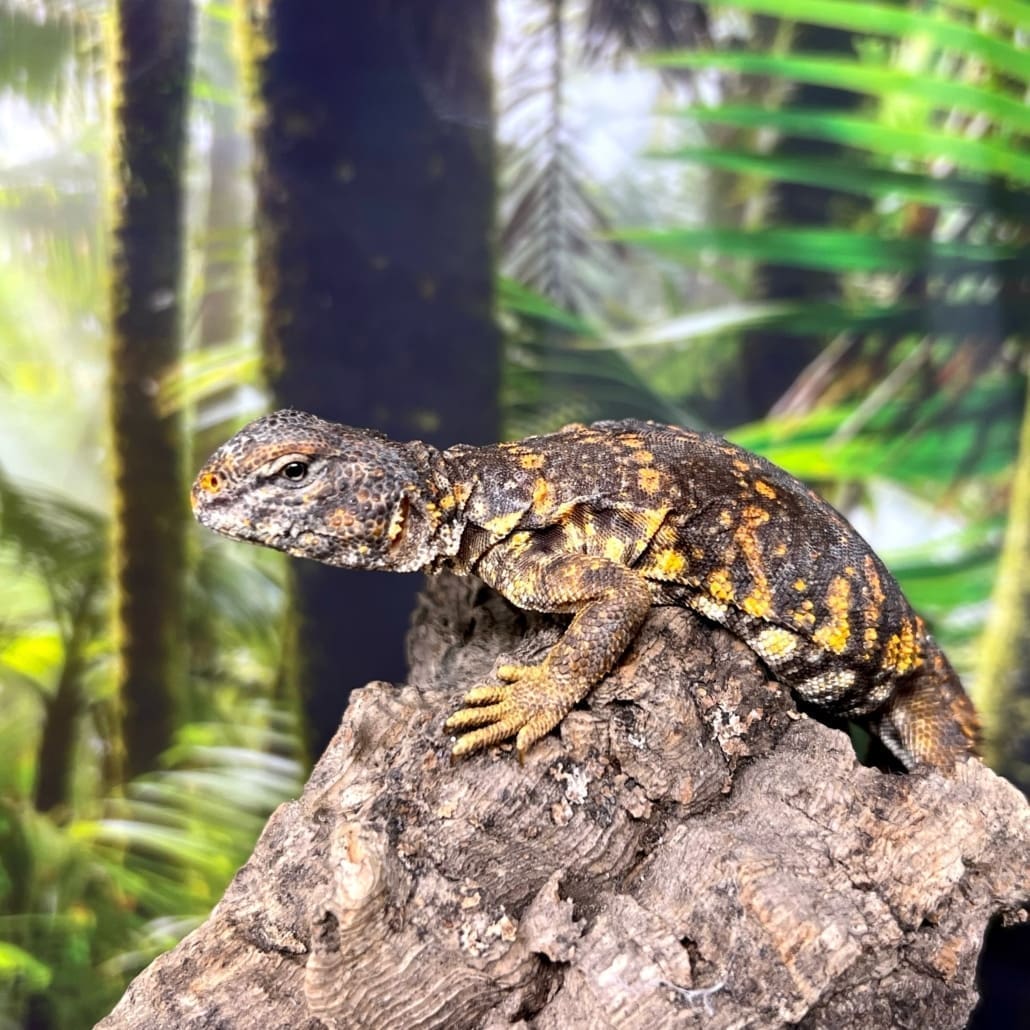
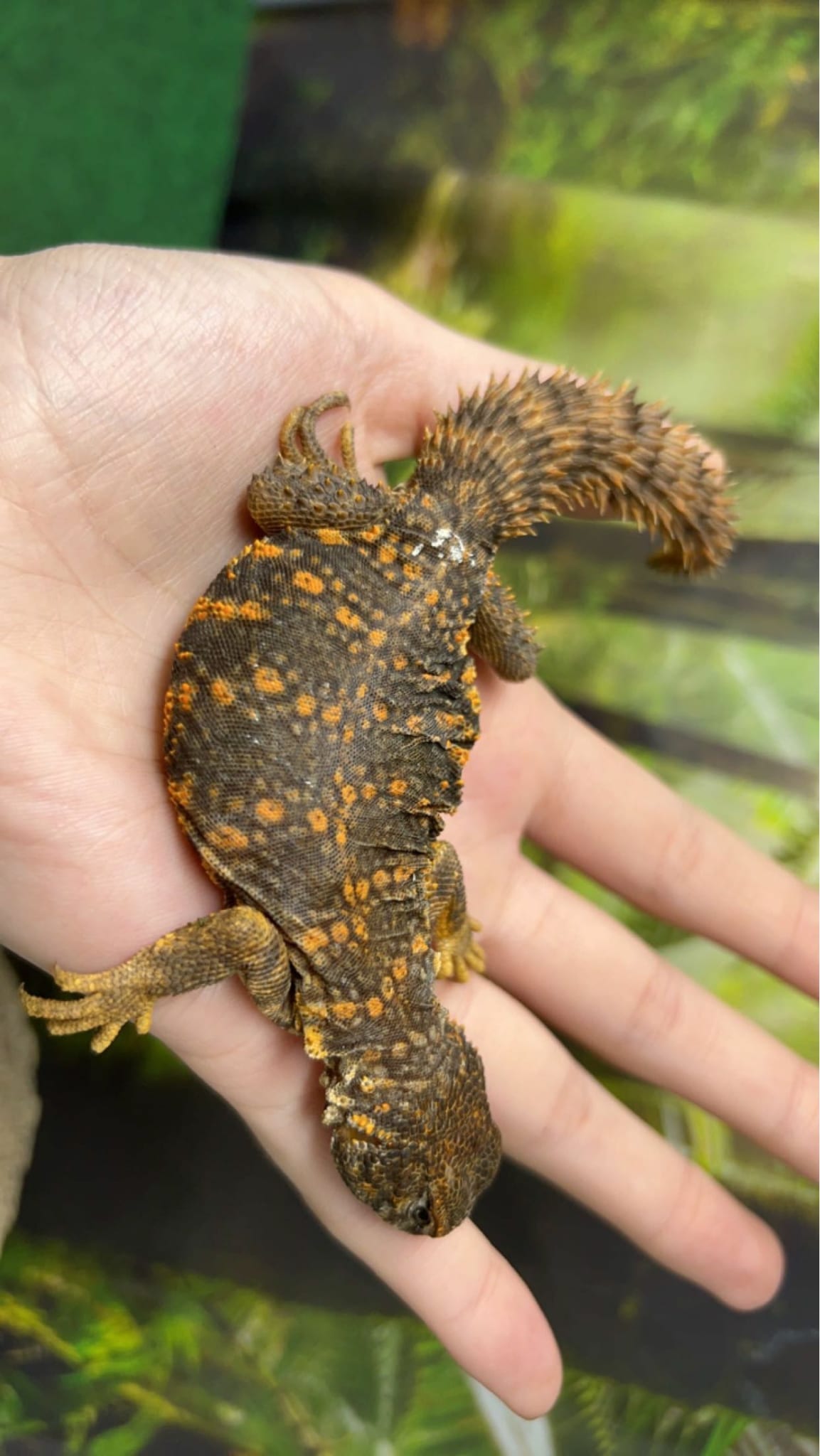
Uros have a flattened body, a rounded head and a thick, heavily spiked tail used as a defensive club and to plug burrow entrances. Red phase animals show orange-red to deep red backs, while yellow phase lizards like our Yellow Niger Uromastyx display lemon to golden tones. Coloration intensifies with warmth, maturity and good lighting, and is usually duller when the lizard is cool or stressed.
Size and Lifespan
These are among the smaller uromastyx, with adults typically reaching 10 to 16 inches in total length. With proper husbandry, uromastyx are long-lived, commonly 15 to 20 years and sometimes longer.
Temperament
Uros are relaxed, curious and often bold once settled. They spend much of the day basking and foraging and can become quite tolerant of handling. Many keepers find them more personable than expected, especially at feeding time.
Enclosure Setup
An adult uromastyx does best in an enclosure of at least 4 x 2 x 2 feet. Key elements include:
- A substrate that allows digging, such as a sand and soil mix that holds a burrow shape when lightly moistened at the bottom.
- Stacked flat rocks or slate under the basking light, firmly secured so they cannot shift onto the lizard.
- A hide or burrow on the cooler end.
- Good ventilation to keep the air dry.
Heat, UVB and Humidity
Uromastyx need more heat than most pet lizards. Provide a basking surface of roughly 115 to 130°F, a warm-side air temperature in the 90s and a cool side around 75 to 80°F. Nights can drop into the upper 60s or low 70s. Measure surfaces with an infrared thermometer rather than guessing.
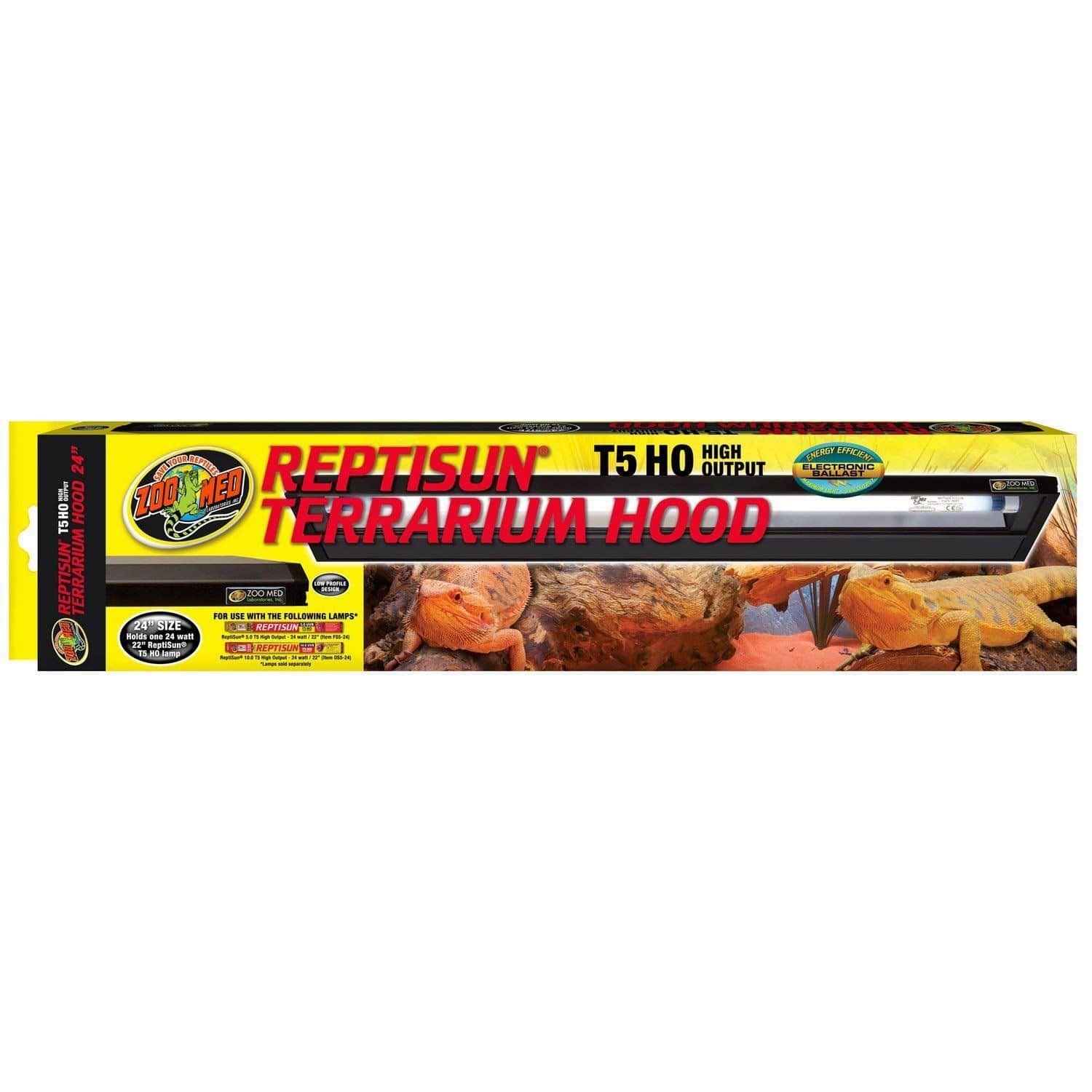
Strong UVB is essential. Use a high-output T5 linear tube of 12 to 14 percent, or a 10 to 12 percent tube mounted closer, spanning much of the enclosure. A ReptiSun T5 HO fixture is a reliable choice. Replace bulbs on schedule. Humidity should stay low, around 15 to 30 percent, with a slightly more humid microclimate deep in the burrow.
Diet
Uromastyx are primarily herbivores, and diet is the most important part of their care:
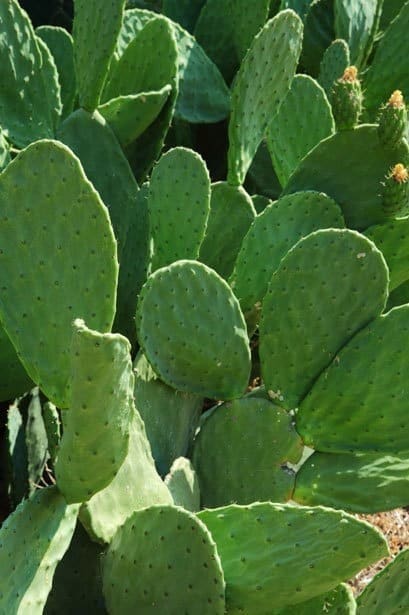
- Staple greens: dandelion greens, endive, escarole, collards, turnip greens and mustard greens.
- Vegetables: squash, bell pepper and green beans in moderation.
- Flowers: hibiscus, dandelion and rose petals.
- Seeds and lentils: dry split lentils, millet and bird seed blends offered in a dish.
Avoid iceberg lettuce and keep fruit to rare treats. Insects, if offered at all, should be occasional and small. Dust food with calcium several times per week. Most uros do not drink much from a bowl, since they obtain moisture from their food; a light misting of greens helps juveniles stay hydrated.
Handling
Allow a new uromastyx a week or two to settle. Approach slowly from the side, scoop the lizard from below and support its body and tail. Short, calm sessions after the lizard has warmed up work best.
Why Captive-Bred Matters
Many uromastyx in the trade have historically been wild-collected, which often means dehydration, parasites and high stress. Captive-raised animals adapt more readily, eat a captive diet and do not deplete wild populations. Our red uromastyx are raised by our team, including a staff biologist.
Frequently Asked Questions
How hot should a uromastyx basking spot be?
Aim for a basking surface of about 115 to 130°F with a cooler side near 75 to 80°F.
Do uromastyx need water?
They get most of their water from food. Offer a shallow dish occasionally and lightly mist greens, especially for juveniles.
Are uromastyx good pets?
Yes, for keepers who can provide strong heat, UVB and a fresh plant-based diet. They are calm, long-lived and colorful.
Why does my uromastyx change color?
Color brightens with warmth and good health and dulls when the lizard is cool, stressed or about to shed.
Meet our red and yellow uromastyx at www.CbReptile.com.


Leave a Reply
Want to join the discussion?Feel free to contribute!