
Giant African Millipede Care Guide: Substrate, Humidity, Diet and Handling
The giant African millipede (Archispirostreptus gigas) is one of the largest millipedes in the world and one of the most rewarding invertebrates a keeper can own. It is slow, calm, easy to observe and surprisingly simple to care for once its basic needs are understood: deep moist substrate, steady warmth and a constant supply of decaying plant matter. This guide walks through everything a new keeper needs to know. You can meet our captive-bred giant African millipede at www.CbReptile.com.
Natural History
This species comes from East Africa, where it lives in coastal and lowland forests. It spends much of its time on or just below the forest floor, moving through leaf litter and soft soil and feeding on rotting leaves and wood. Like other millipedes it is a detritivore, meaning it plays an important role in breaking down dead plant material. It is most active at night and after rain, and it burrows to rest, to escape dry weather and to molt.
Appearance
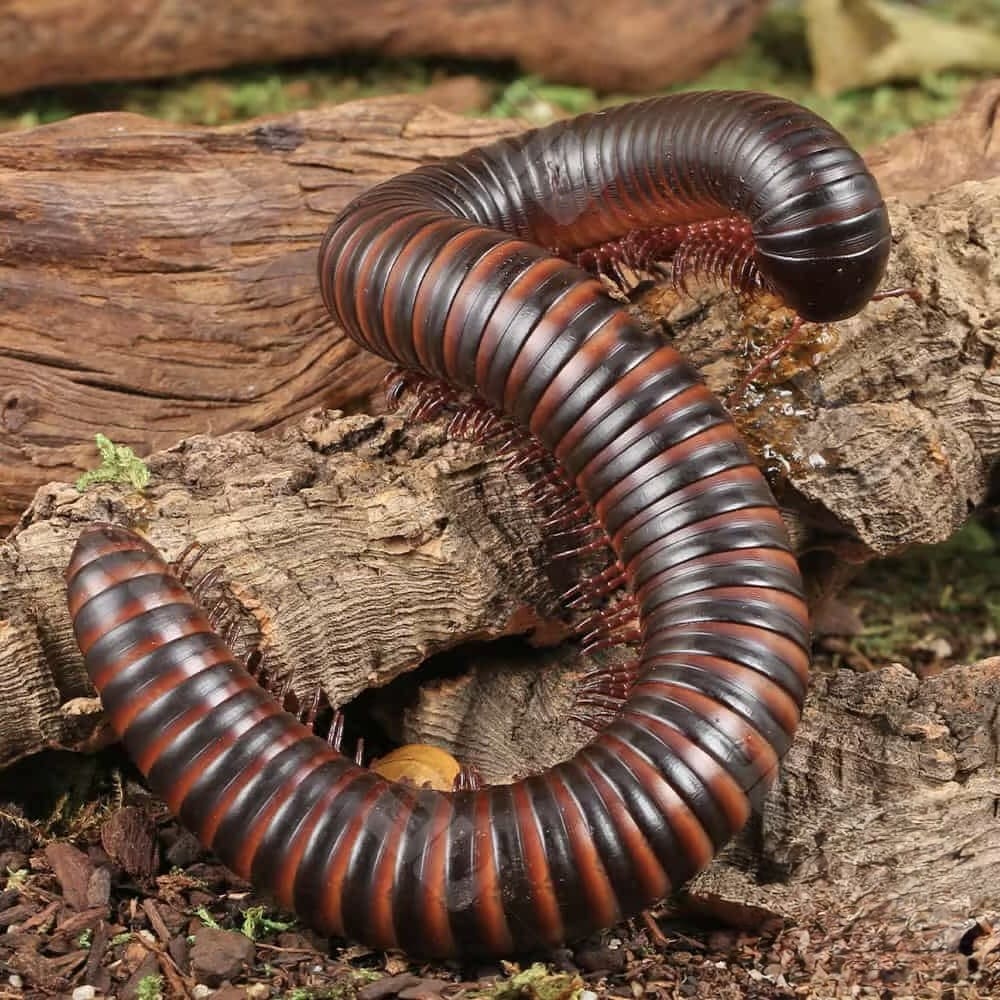
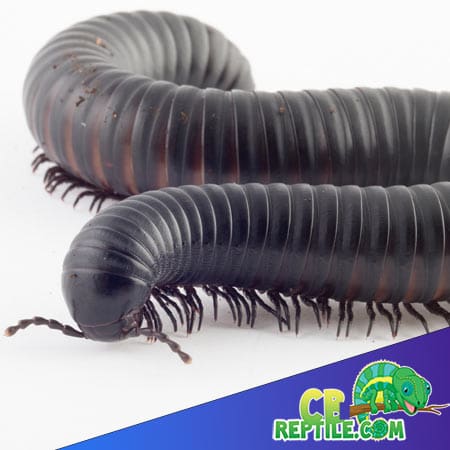
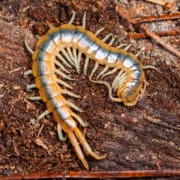
Adults are long, rounded and glossy, usually dark brown to nearly black with a smooth, armored look. The body is made of many ring-like segments, and most segments carry two pairs of short legs, which ripple in waves as the animal walks. Short antennae constantly tap the ground to find food. When frightened, a millipede curls into a tight spiral to protect its softer underside.
Size and Lifespan
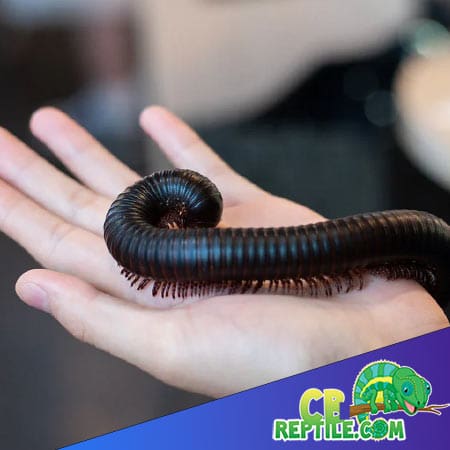
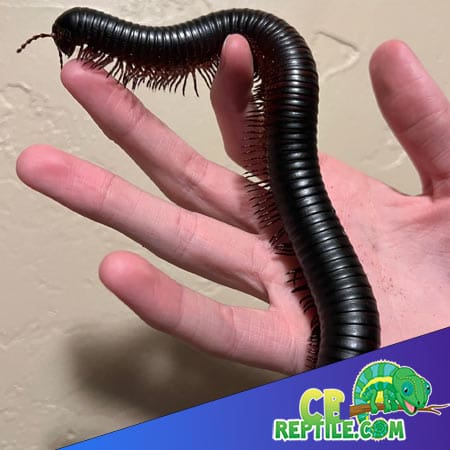
This is a true giant. Adults commonly reach around 10 inches or more in length, and exceptional animals grow larger still. Millipedes add segments and legs as they molt, so young animals look noticeably shorter and slimmer. With good care, a giant African millipede can live roughly 5 to 7 years, and some keepers report longer lifespans.
Temperament
Giant African millipedes are docile and have no bite or sting. Their defense is chemical: when stressed, they can release a fluid from pores along the body that may irritate skin and stain it brown. A calm, well-kept millipede rarely does this, and gentle handling keeps it from becoming a problem.
Enclosure Setup
Floor space and substrate depth matter far more than height. A 10 to 20 gallon tank or a similar plastic enclosure works for one to a few adults, with a secure, ventilated lid. Provide at least 6 inches of substrate so the millipede can burrow fully. A good mix is organic topsoil or coconut fiber such as EcoEarth substrate, blended with crushed leaf litter and pieces of rotting hardwood. Add a layer of dry leaves, cork bark and a shallow dish for misting moisture around. Replace soiled or moldy patches as needed rather than stripping the whole tank.
Heat and Humidity
Aim for temperatures of about 75 to 82°F. Many homes are close to this range; if extra warmth is needed, place a heat mat on the side of the enclosure, never under deep substrate where the millipede may burrow toward it. Keep humidity around 70 to 80 percent by keeping the lower substrate damp but not waterlogged and lightly misting the surface. Avoid stagnant, soggy conditions, which encourage mold and pests. Special UVB lighting is not required.
Diet and Calcium
Feed a base of decaying hardwood leaves (oak and maple are common choices) and rotting wood mixed into the substrate. Supplement every few days with small portions of soft vegetables and fruit such as cucumber, squash, zucchini, banana or melon, removing leftovers before they spoil. Calcium is important for a healthy exoskeleton, so offer crushed cuttlebone or a light dusting of calcium on food. Avoid pesticide-treated produce and leaves from treated lawns.
Handling and Molting
Pick a millipede up by letting it walk onto a flat, open hand rather than grabbing it. Keep it low to the ground, keep sessions short and wash your hands afterward, avoiding contact with your eyes. When a millipede buries itself for days or weeks, it is often molting; do not dig it up. Small mites may ride on millipedes; light numbers are common, but a clean enclosure helps keep them under control.
Why Captive-Bred Matters
Common Health Concerns
Most problems come from husbandry. Substrate that is too dry can lead to failed molts and dehydration, while a waterlogged tank encourages mold, fungus gnats and harmful bacteria. A millipede that stays on the surface for long periods, appears limp or cannot right itself may be too dry, too cold or near the end of its life. Check conditions first, refresh the substrate and leaf litter, and make sure calcium and food are available. Avoid pesticides, scented sprays and smoke anywhere near the enclosure, as invertebrates are very sensitive to chemicals.
Captive-bred millipedes tend to settle in faster, arrive accustomed to captive foods and avoid the stress of collection and long transport. Choosing captive-bred animals also reduces pressure on wild populations and gives you a better idea of the animal’s age and history.
Giant African Millipede FAQ
Are giant African millipedes good for beginners?
Yes. They are calm, slow and have simple needs, making them one of the easiest large invertebrates to keep.
Can they live together?
Yes. Giant African millipedes generally tolerate groups well as long as there is enough substrate, food and space.
Why is my millipede not moving?
It may be resting, burrowed or preparing to molt. Check temperatures and humidity, then leave it undisturbed.
Do they need water?
They get most of their moisture from damp substrate and food, but a shallow dish or moist area is helpful.
Meet Our Giant African Millipedes
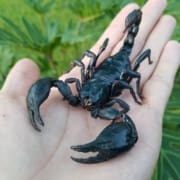
If you are interested in invertebrates, a giant African millipede is a wonderful place to start, and it pairs well with other easy keepers such as the emperor scorpion. Learn more and meet our giant African millipede at www.CbReptile.com.

Leave a Reply
Want to join the discussion?Feel free to contribute!