
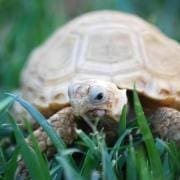
Ivory Sulcata Tortoise Care and Genetics Explained
Few tortoises catch the eye like an ivory sulcata. The pale, creamy shell and light skin make a striking contrast to the familiar tan-and-brown African spurred tortoise, yet the care they need is the same hardy, grazing-focused routine. This guide explains what the ivory trait is, how to build the right setup, and what to expect over a very long lifespan. You can see the Ivory Sulcata tortoise raised by our team at www.CbReptile.com.
Natural History of the Sulcata
The sulcata (Centrochelys sulcata), also called the African spurred tortoise, comes from the southern edge of the Sahara in countries such as Mali, Chad, Sudan and Ethiopia. It lives in hot, dry scrubland and savanna, where it digs long burrows to escape midday heat and to hold humidity. It is the largest mainland tortoise in Africa and the third largest tortoise species in the world. In the wild it grazes on tough grasses, dry forage and the occasional succulent.
What Does “Ivory” Mean?
Ivory is a color trait found in captive-bred sulcatas. Animals carrying the trait show a lighter, creamier shell and skin than normal sulcatas, and the scutes often look nearly white with soft tan growth rings. Keepers also work with related lines such as albino sulcatas, and you may see animals described as “het ivory,” meaning they carry one copy of the trait without showing it fully. If you are curious about the genetic side, compare the HET Ivory Sulcata tortoise with the fully expressed ivory animal, and always ask the breeder how the animal was produced.

The ivory trait is cosmetic. Light-colored tortoises can be a little more sensitive to intense direct sun on bare skin, so provide shade options in any outdoor enclosure, but they are otherwise as tough as their normal siblings.
Size and Lifespan
Hatchlings are only about the size of a golf ball, but growth is steady. Adult males commonly exceed 24 inches and 100 pounds, and some animals grow larger. Sulcatas can live 50 to 80 years or more, so this is a family-generation commitment. Plan for the adult size from the beginning, including the space, the fencing and the future housing.
Temperament
Sulcatas are bold, curious and food-motivated. Many learn to recognize their keeper and will walk over for a favorite weed. They are not delicate pets; adults are powerful diggers and will push on fences, doors and furniture. Handling should be minimal and supportive, mainly for health checks, because a large tortoise that is dropped can be seriously injured.
Enclosure and Housing
Young sulcatas do well in a large tortoise table or a custom wooden enclosure, at least 4 by 2 feet for the first year, with solid sides at least 12 inches tall. Avoid glass tanks, since tortoises do not understand clear barriers and can stress themselves walking at the glass. A mix of topsoil and coconut coir about 4 inches deep lets them dig and maintains gentle humidity.

Provide a snug hide at one end and a second at the cool end. As the animal grows, move it to a secure outdoor pen whenever temperatures allow, with a heated, insulated night house for cold weather. Sulcatas are not cold tolerant, and night temperatures should not drop below the mid 60s Fahrenheit.
Heat, UVB and Humidity
- Basking spot: 95 to 100 degrees Fahrenheit for hatchlings, a little lower for older animals.
- Ambient: 80 to 85 degrees across the enclosure, with a cooler end for choice.
- UVB: A quality linear tube providing strong UVB over the basking zone, replaced on the manufacturer’s schedule. Natural sunlight is the best option when safe.
- Humidity: Keep the enclosure generally dry, with a humid hide for hatchlings to help prevent pyramiding.
Diet
A sulcata is a grazer. The diet should be mostly grasses and hay such as Timothy, orchard and Bermuda, plus safe weeds like dandelion, plantain and clover, and leafy greens such as endive and escarole. Opuntia cactus pads are a great, low-sugar treat. Avoid fruit, dog food, and high-protein items, which contribute to shell deformities and kidney problems. Provide a cuttlebone or calcium source and dust food with calcium a few times per week.

Hydration and Soaking
Hatchlings and young tortoises benefit from a shallow lukewarm soak two or three times a week for 15 to 20 minutes. Water should come no higher than the bottom edge of the shell. Always provide a shallow dish for drinking that the tortoise can climb into and out of easily.
Why Captive-Bred Matters
Captive-bred tortoises start life eating prepared foods, are accustomed to people, and avoid the pressures on wild populations. The sulcata is listed as endangered in the wild, so captive breeding is the responsible route for anyone who wants to keep one. Our team at www.CbReptile.com focuses on captive-bred animals for this reason.
Frequently Asked Questions
Is an ivory sulcata harder to care for than a normal sulcata?
No. Care is identical. Just offer shade outdoors because lighter skin can be more sensitive to intense sun.
How fast does a sulcata grow?
With good nutrition and warmth, many reach 8 to 12 inches in their first few years, then continue growing toward adulthood. Slow, even growth on a high-fiber diet is healthier than rapid growth on rich foods.
Can a sulcata live indoors permanently?
Only juveniles. Adults need a large outdoor yard in warm weather or a very big heated indoor space.
Can I house a sulcata with other tortoises?
Males can be aggressive and sulcatas are strong, so most keepers house them alone or in carefully monitored groups with plenty of room.
Setting Up Before You Bring One Home
Preparation makes the first weeks easy. Run the heat and UVB for several days before the tortoise arrives and confirm temperatures with a digital probe thermometer, not stick-on dial gauges. Have the soak tub, calcium and a stack of fresh greens ready, and plan where the animal will live as it grows. If you are choosing between sulcata lines, the Ivory Sulcata tortoise page at www.CbReptile.com lists what is available now.
Ready to learn more? Meet our captive-bred sulcatas at www.CbReptile.com.