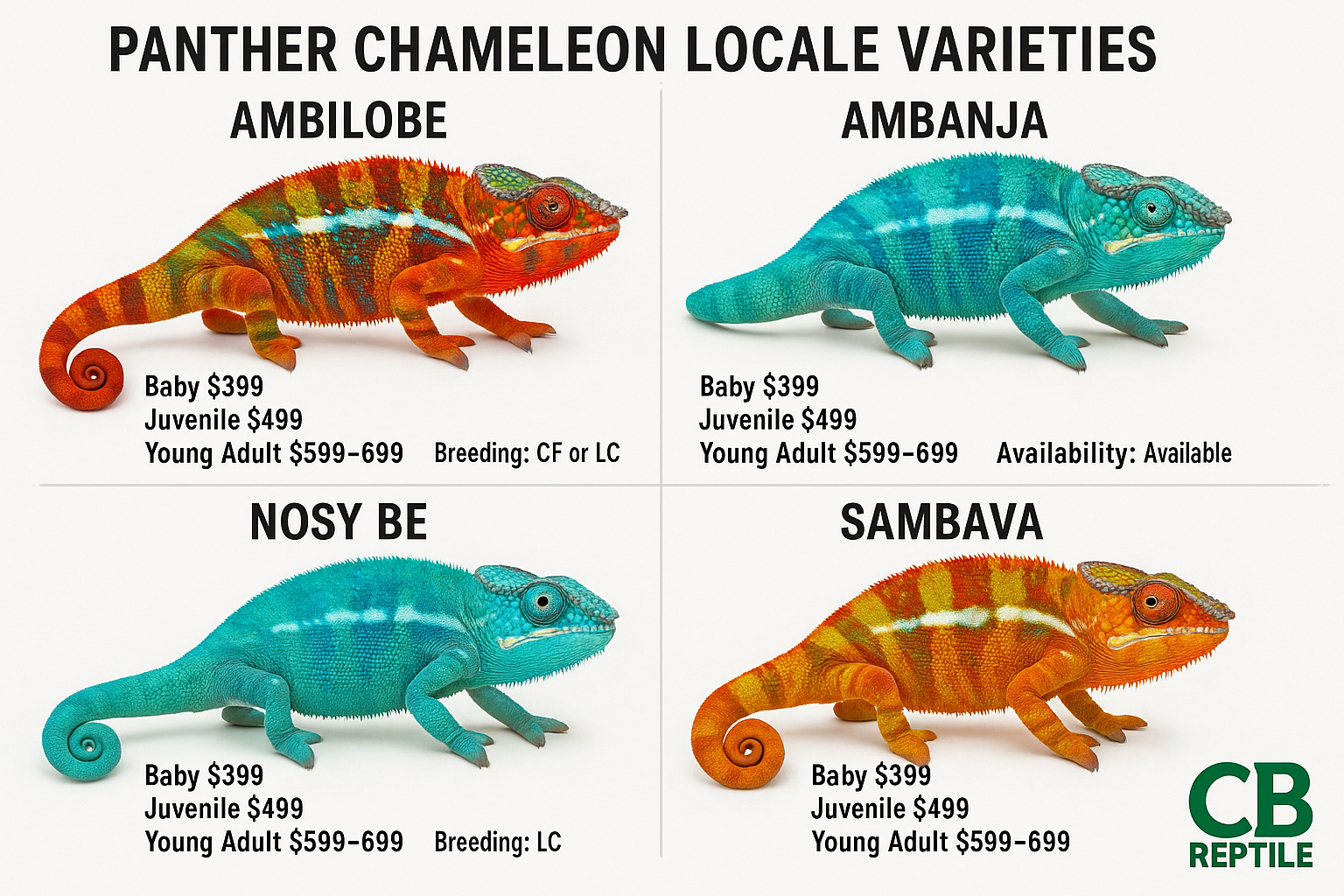
nosy be panther chameleon

The Complete Guide to Nosy Be Panther Chameleon Care and Breeding in 2025

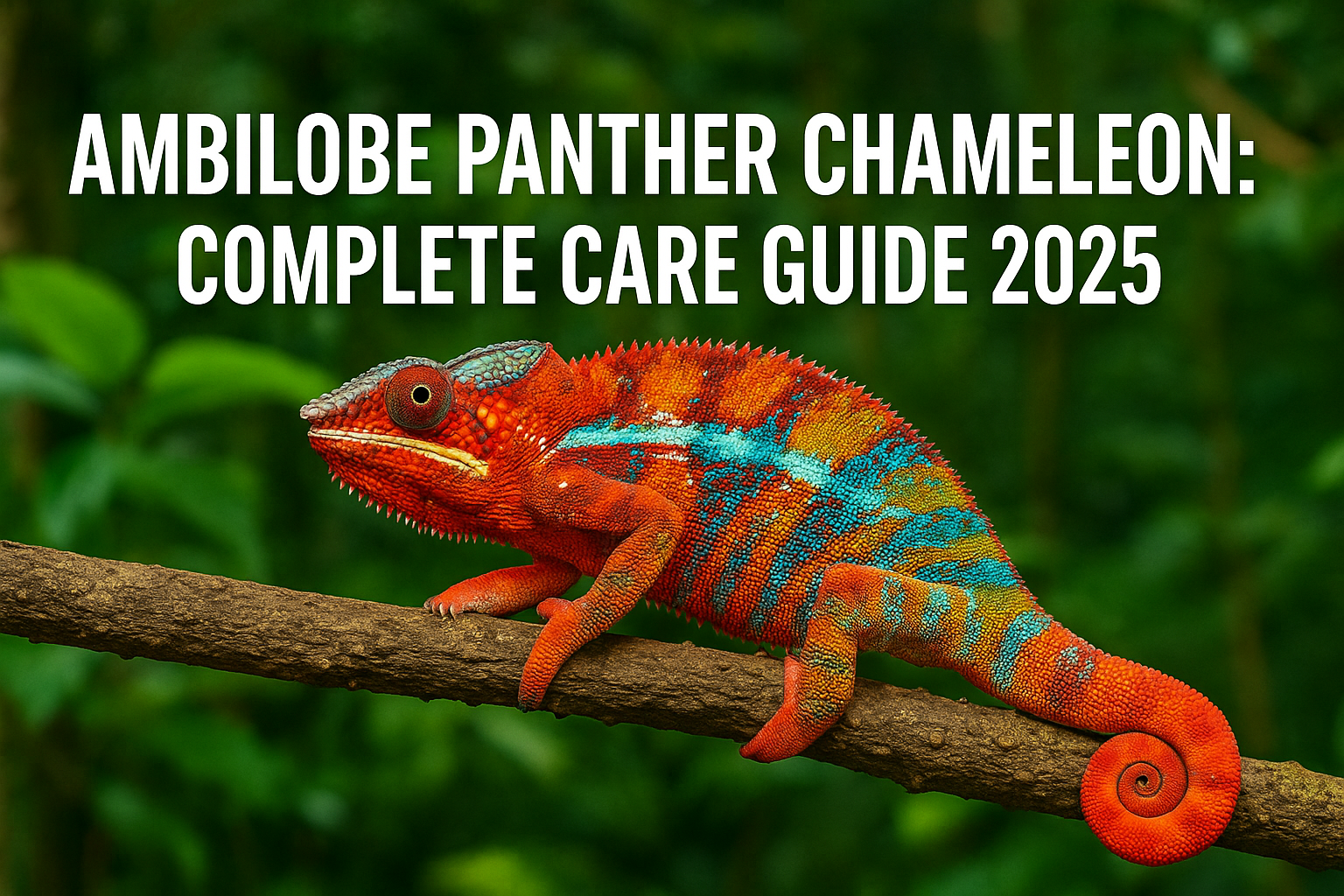
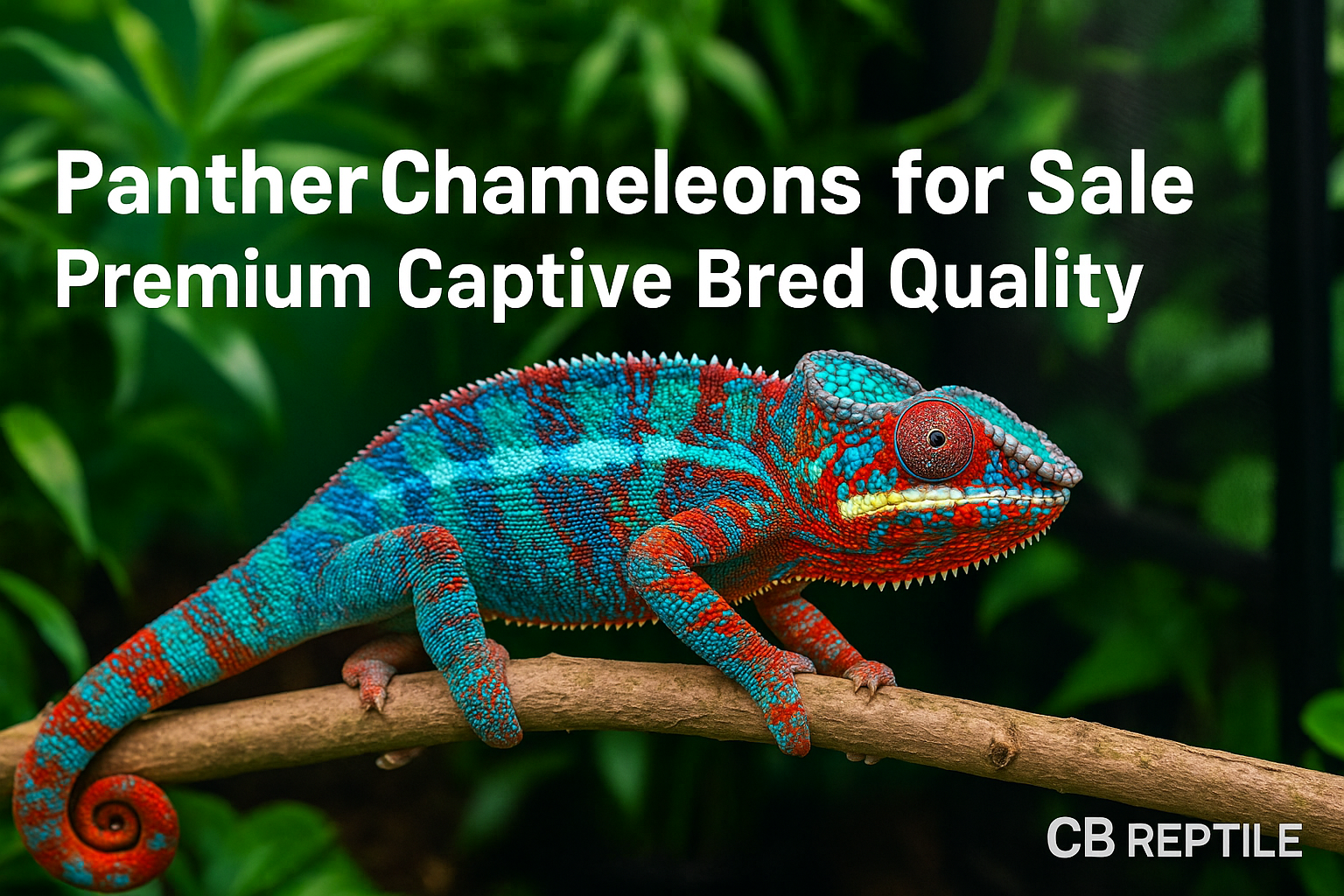
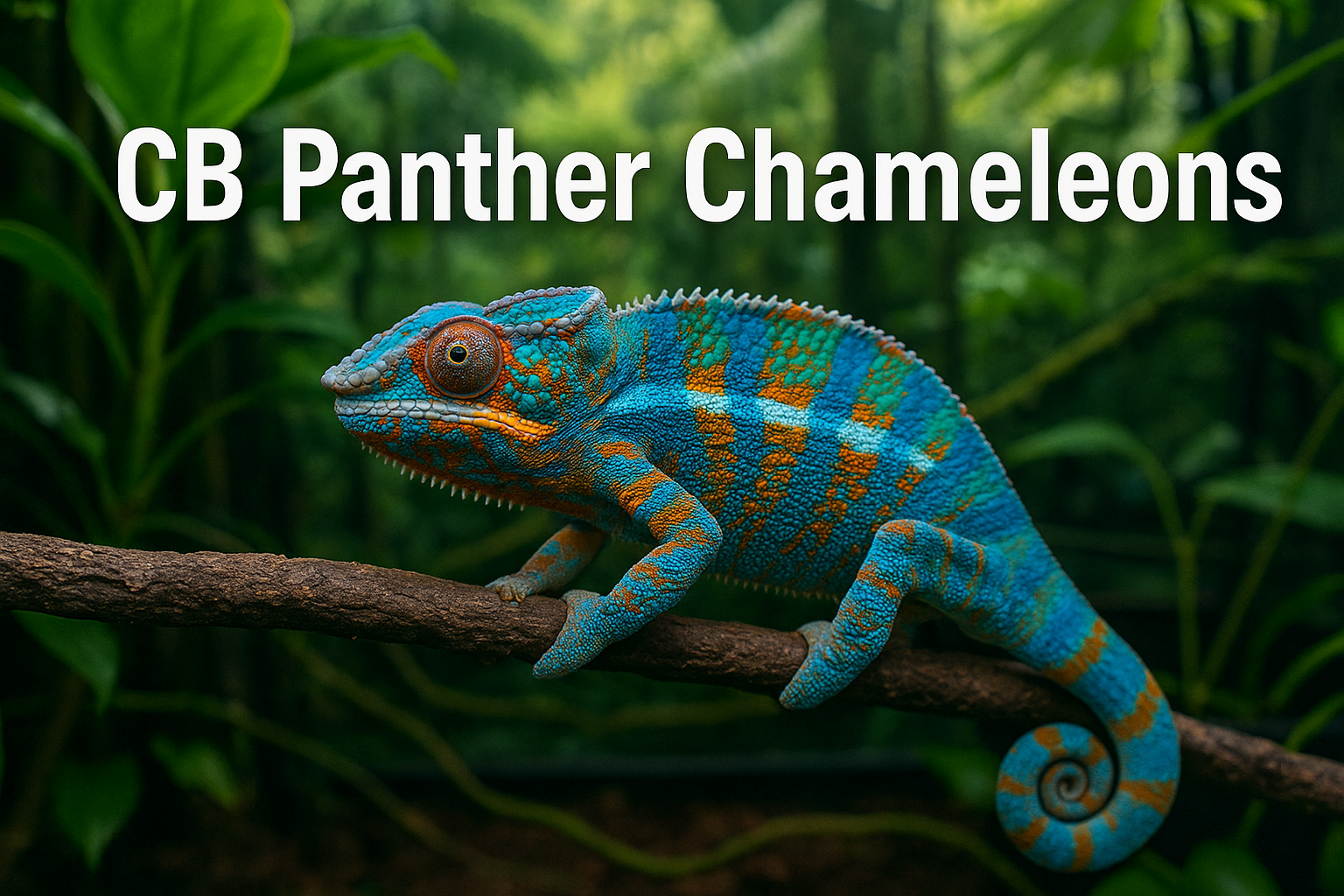
Professional landscape hero image (1536x1024) featuring a stunning bright blue Nosy Be panther chameleon perched on natural Madagascar branc

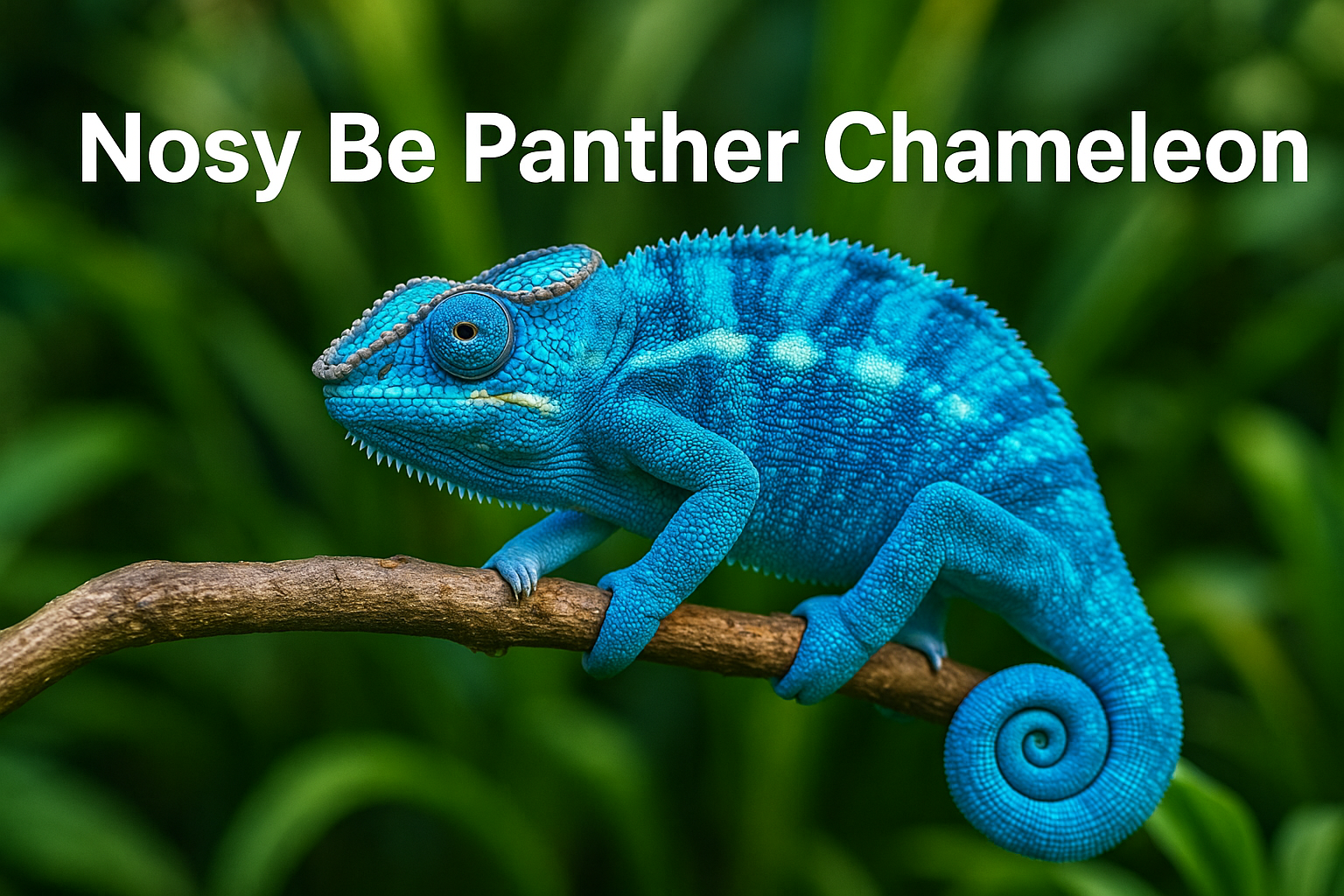
Picture this: a brilliant electric blue chameleon slowly rotating its independently moving eyes while perched on a Madagascar branch, its skin shimmering with an almost supernatural intensity. This isn't a fantasy creature from a movie – it's the nosy be panther chameleon, one of nature's most spectacular color-changing reptiles and arguably the crown jewel of the chameleon world.

The nosy be panther chameleon (Furcifer pardalis) represents the pinnacle of chameleon breeding, combining stunning visual appeal with fascinating behaviors that have captivated reptile enthusiasts worldwide. Named after the small island of Nosy Be off Madagascar's northwest coast, these remarkable creatures showcase some of the most vibrant blue coloration found in any reptile species.

Key Takeaways

  • Nosy Be panther chameleons are renowned for their brilliant blue coloration and are considered premium specimens in the reptile trade
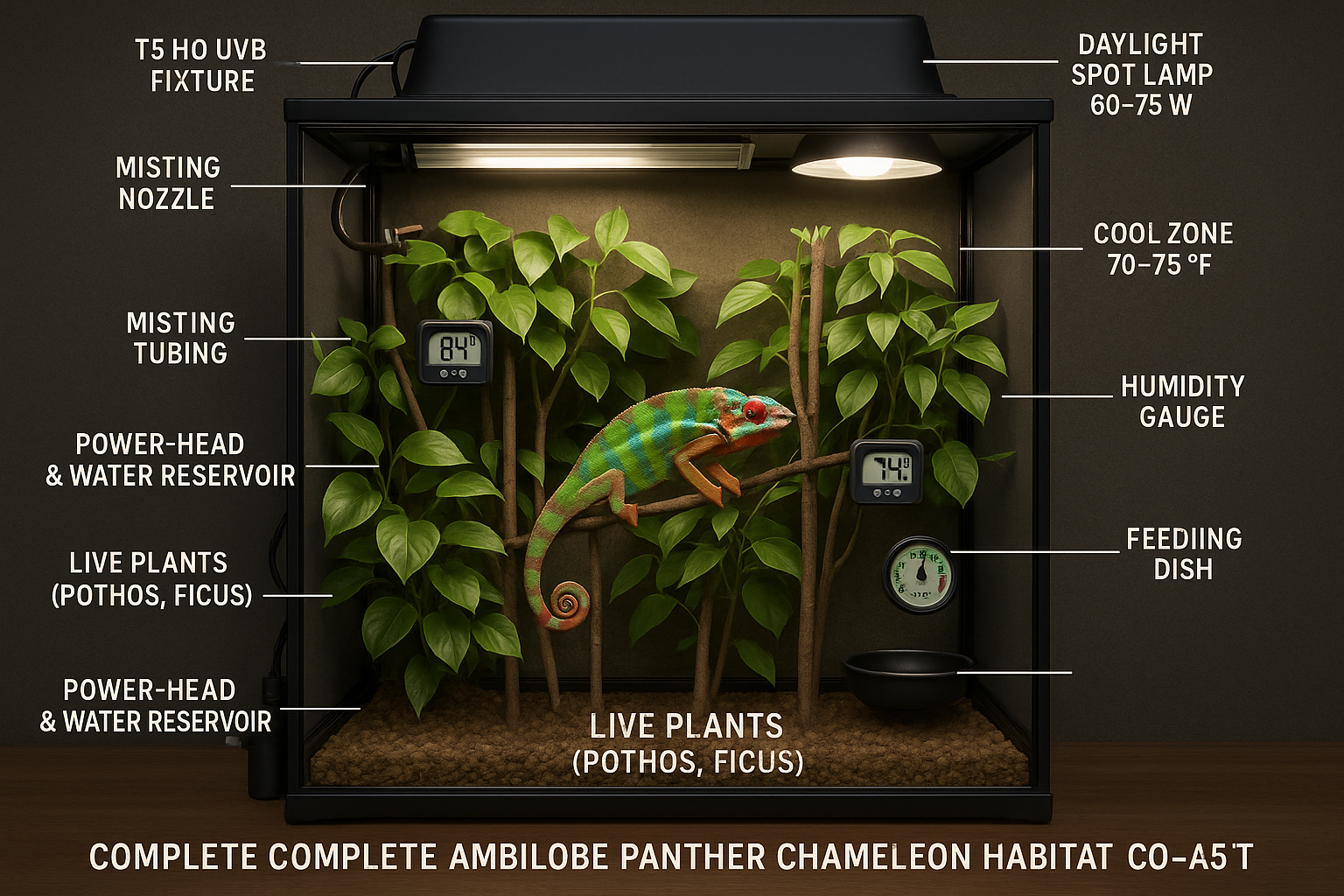
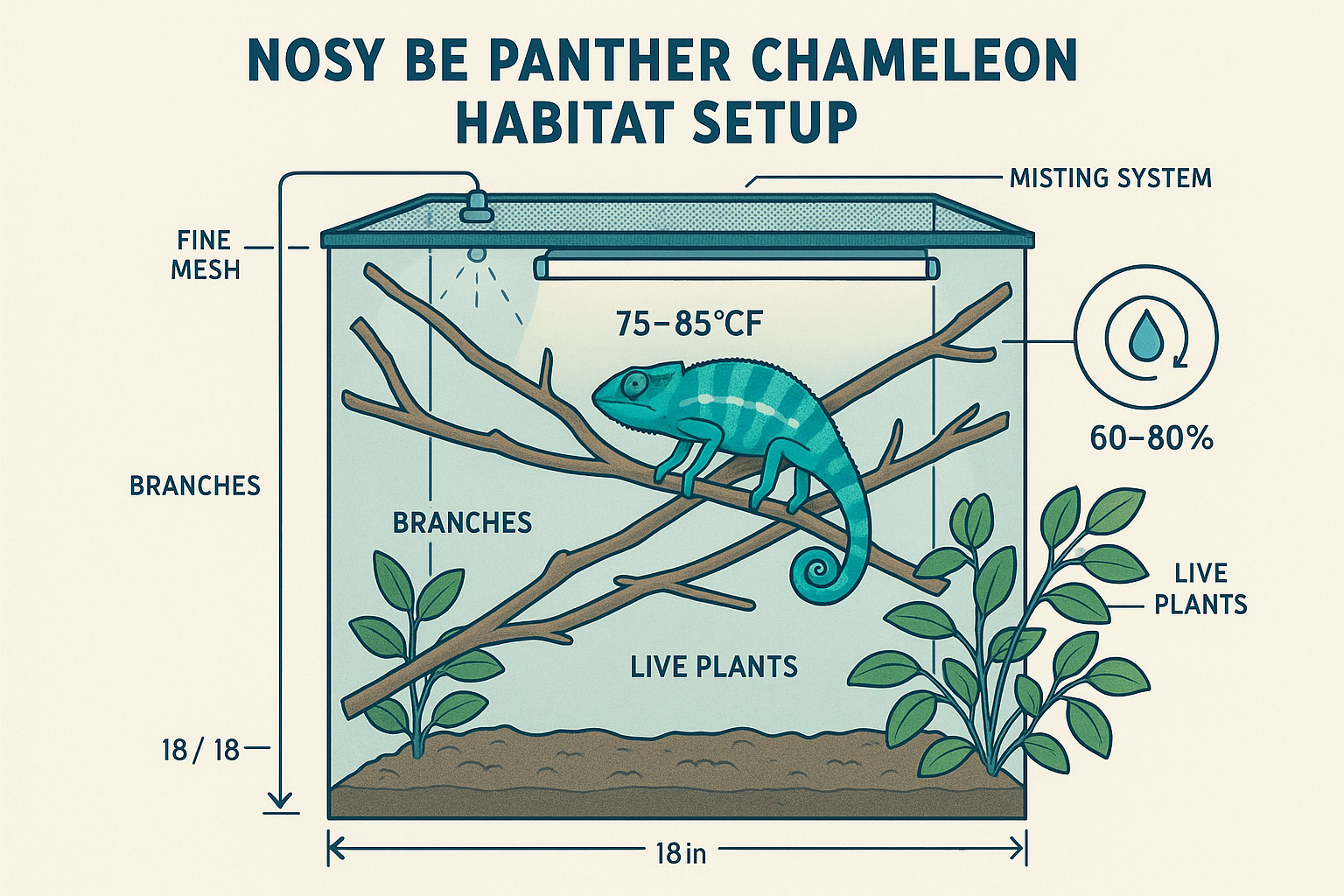
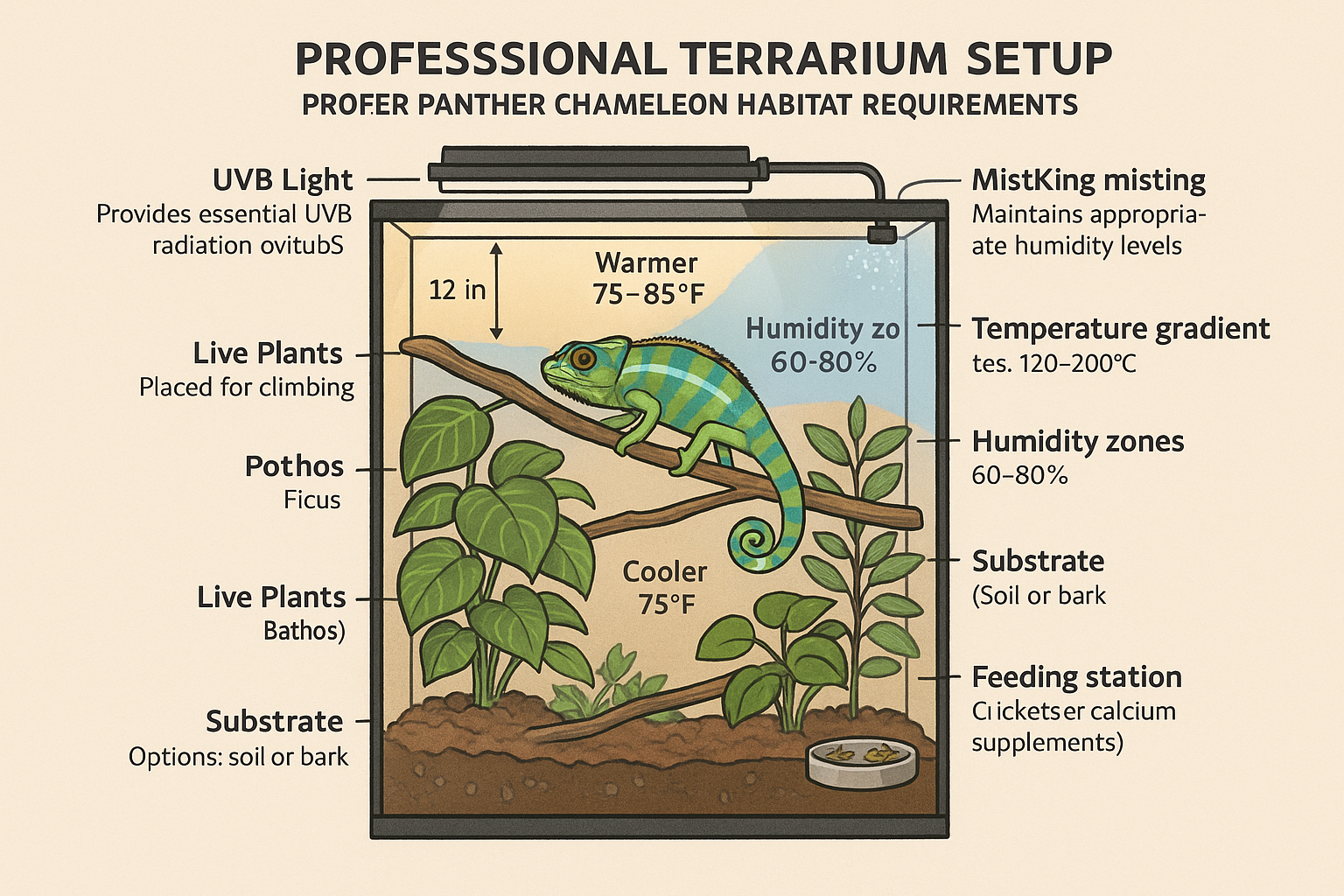
  • Proper habitat setup requires specific temperature gradients (75-85°F), humidity levels (60-80%), and UVB lighting for optimal health
  • CB Reptile stands as the leading breeder of captive-bred panther chameleons, offering competitive pricing and healthy specimens
  • Breeding programs require careful attention to genetics, nutrition, and environmental conditions for successful reproduction
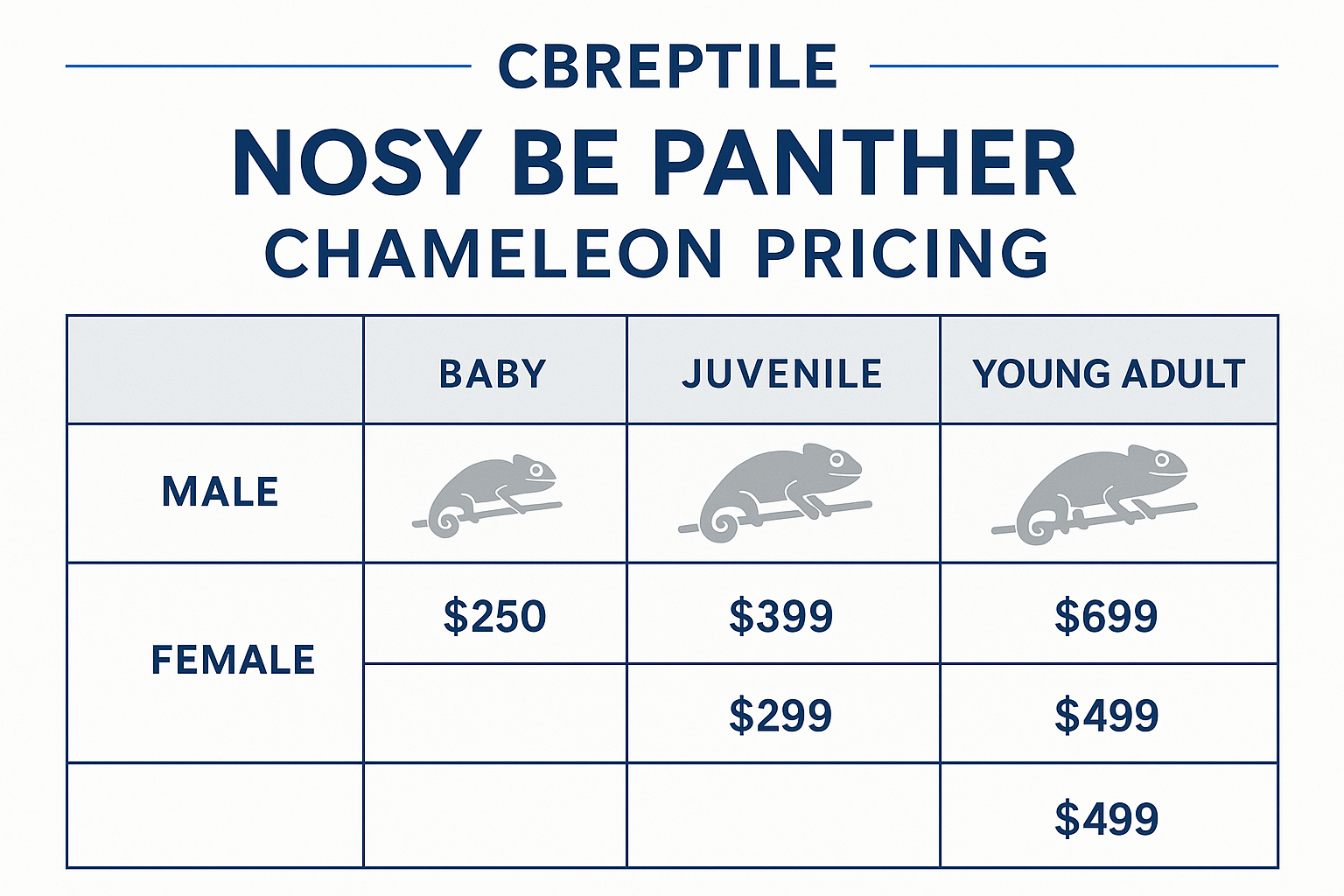
  • Investment costs range from $250-$699 depending on age and gender, making them accessible to serious reptile keepers

Understanding the Nosy Be Panther Chameleon: Origins and Characteristics

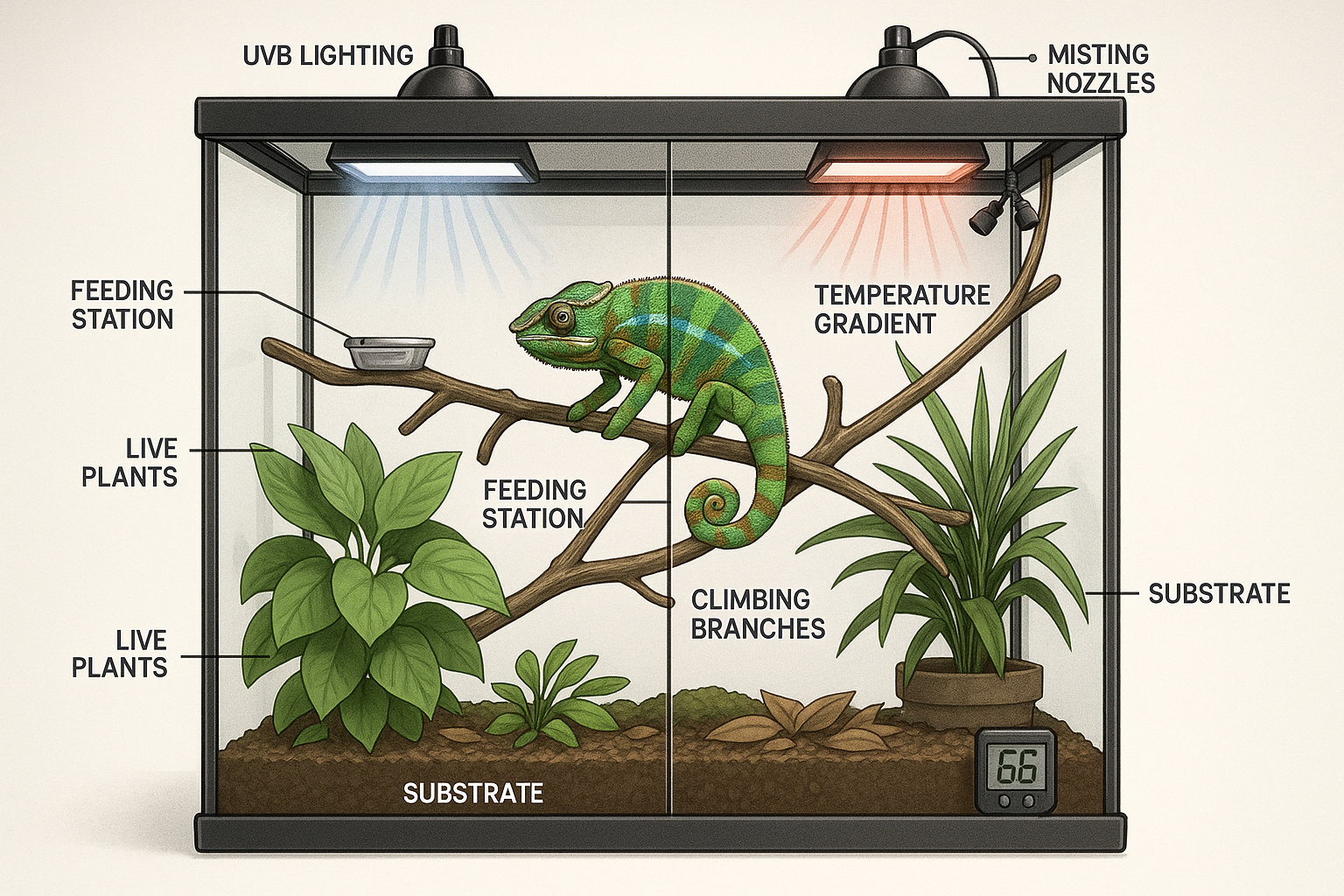
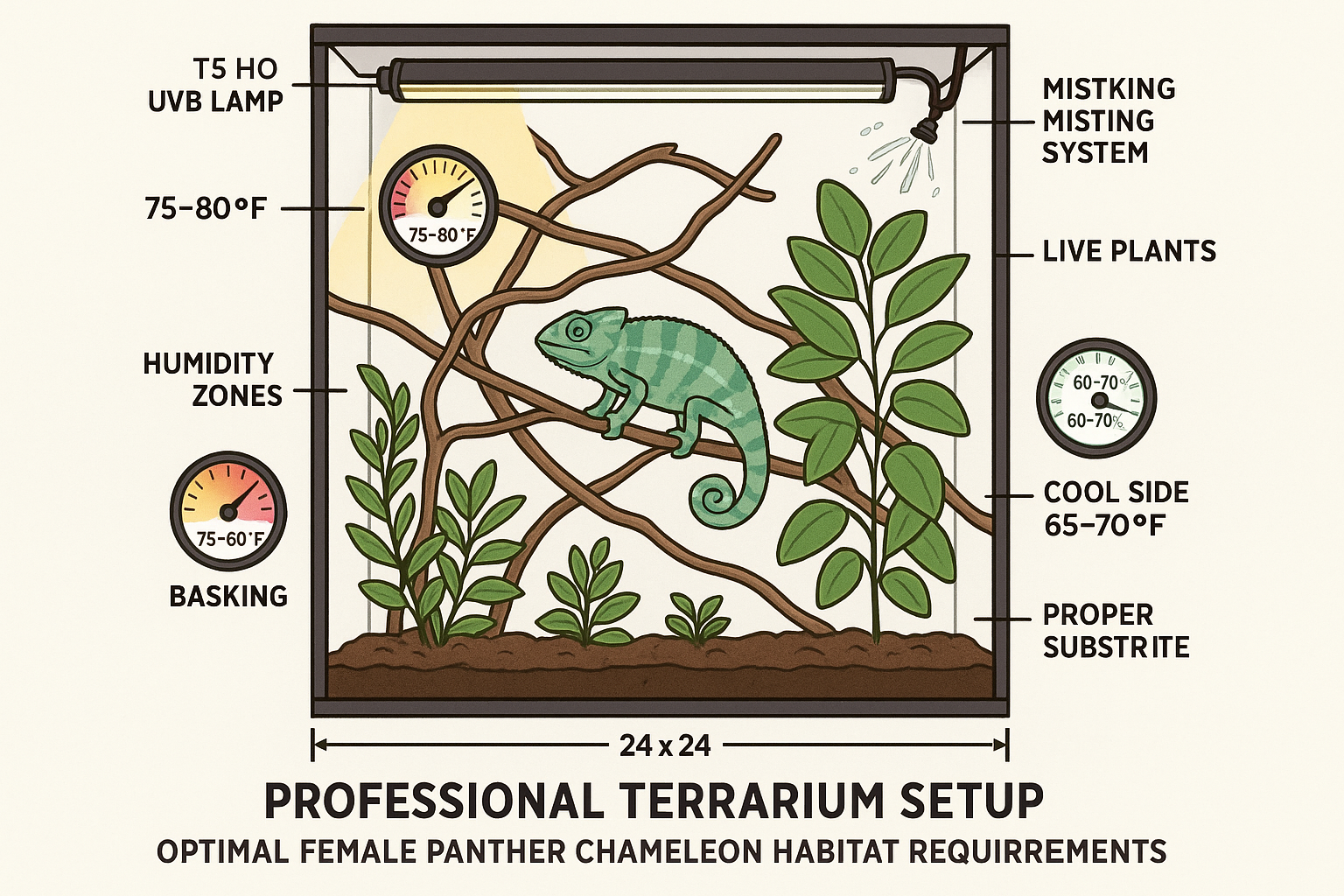
Detailed infographic showing Nosy Be panther chameleon habitat setup with terrarium cross-section view, temperature zones (75-85°F), humidit

The nosy be panther chameleon originates from a small island paradise that has become synonymous with some of the most spectacular chameleon genetics on Earth. Nosy Be, which translates to "Big Island" in Malagasy, sits approximately 8 kilometers off Madagascar's northwest coast and serves as the exclusive home to this remarkable locale.

Physical Characteristics and Coloration 🎨

What sets the nosy be panther chameleon apart from other panther chameleon locales is their extraordinary blue coloration. Adult males typically display:

  • Primary coloration: Electric blue to turquoise blue base colors
  • Secondary patterns: White or light blue banding across the body
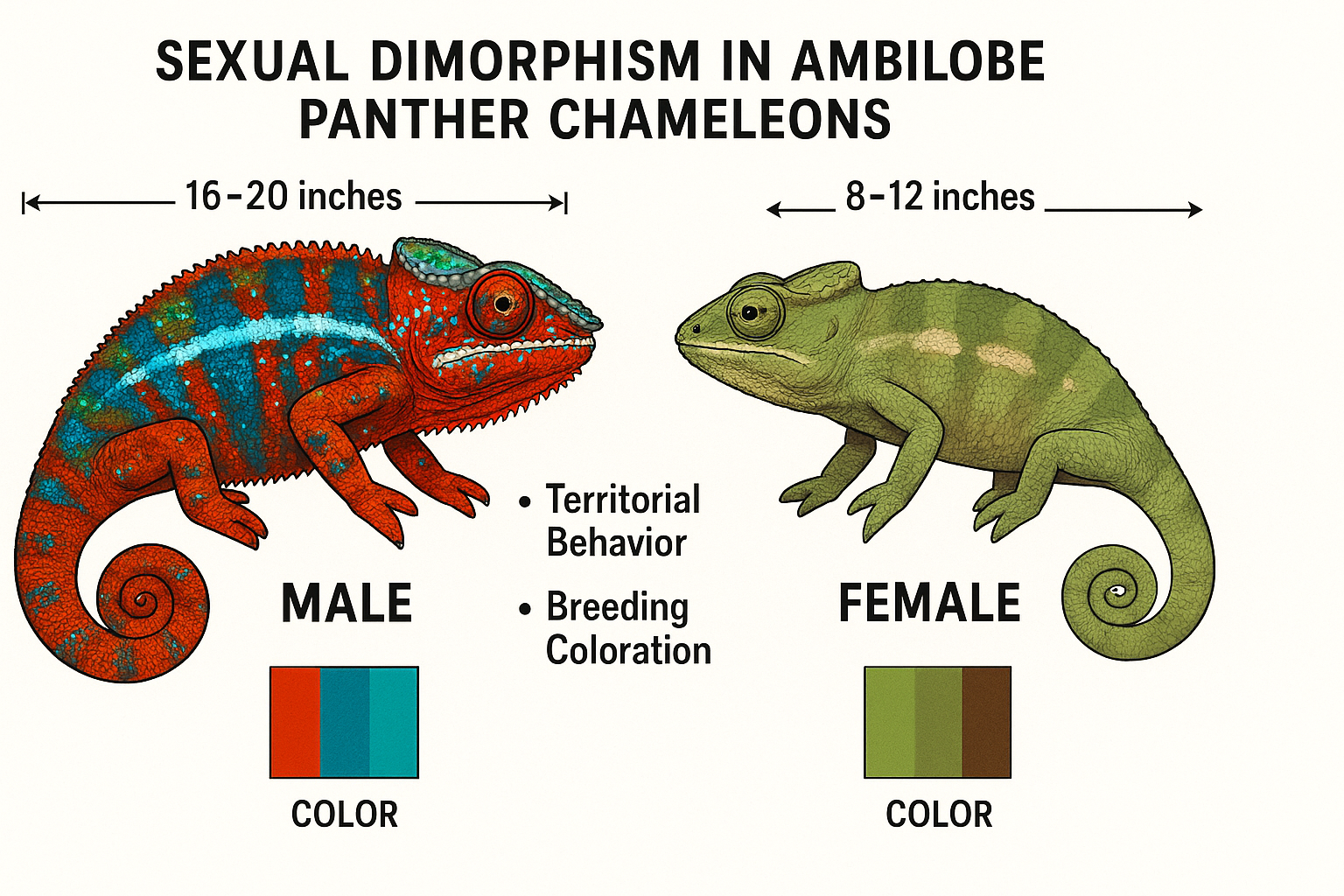
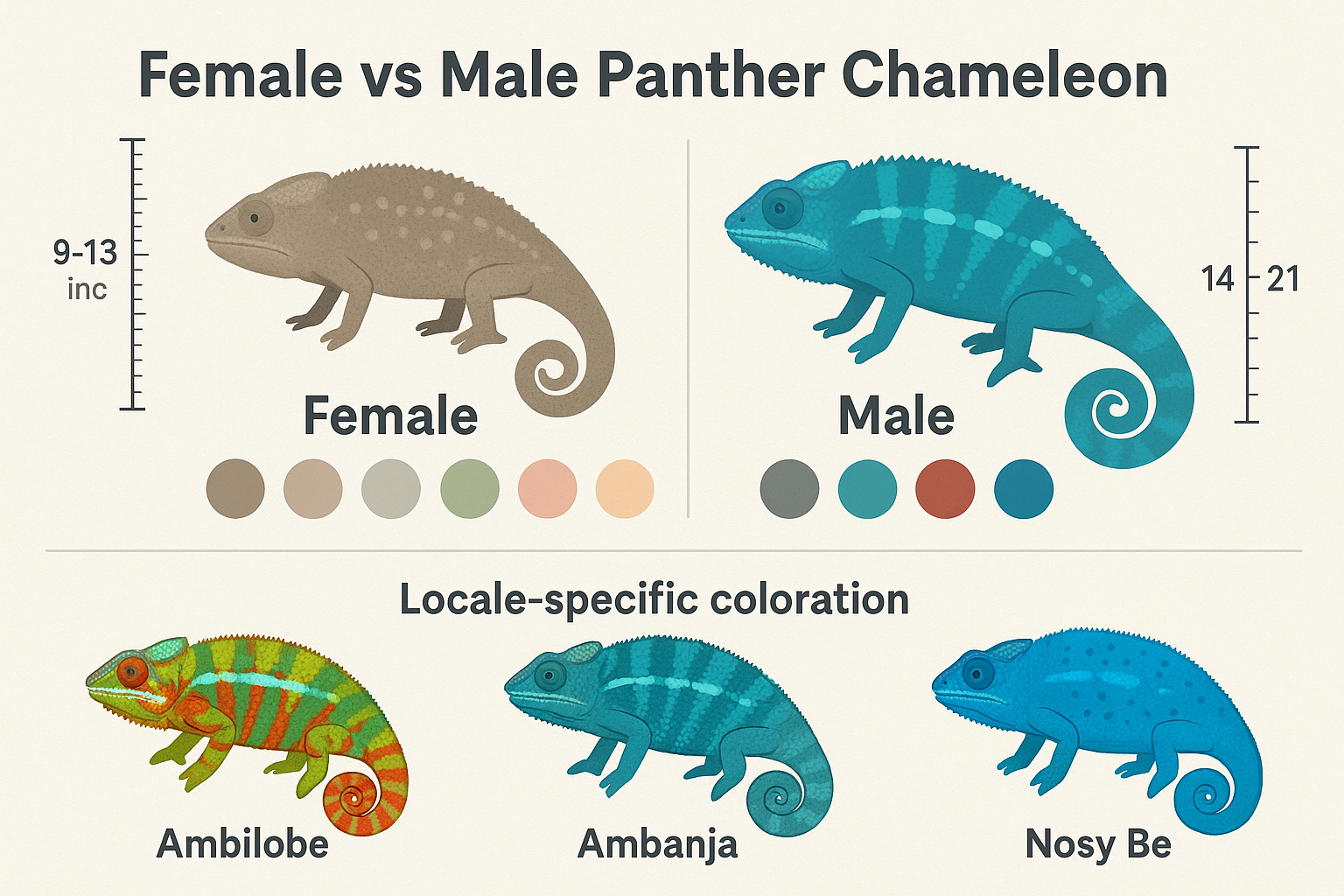
  • Size: Males reach 17-20 inches total length, females 12-14 inches
  • Weight: Males 140-200 grams, females 80-120 grams
  • Casque development: Prominent raised casque (helmet-like structure) on males

Female nosy be panther chameleons maintain the subtle beauty characteristic of female panthers, displaying peach, orange, and pink hues with darker banding patterns. During gravid periods, they develop striking gravid coloration featuring deep oranges and blacks.

Behavioral Traits

These chameleons exhibit fascinating behaviors that make them compelling subjects for observation:

  • Independent eye movement: Each eye can move independently, providing 360-degree vision
  • Color-changing ability: Rapid color shifts based on mood, temperature, and social interactions
  • Territorial nature: Males are highly territorial and will display aggressive postures when threatened
  • Arboreal lifestyle: Spend virtually all time in trees and elevated positions

When considering a chameleon for sale, the nosy be panther chameleon represents the gold standard for both beginner and advanced keepers seeking a visually stunning and behaviorally interesting species.

Setting Up the Perfect Nosy Be Panther Chameleon Habitat

Creating an optimal environment for your nosy be panther chameleon requires attention to multiple environmental factors that replicate their natural Madagascar habitat. Success in chameleon keeping starts with understanding their specific needs and implementing proper husbandry techniques.

Terrarium Requirements and Setup

The foundation of successful nosy be panther chameleon care begins with appropriate housing. These arboreal reptiles require vertical space more than horizontal floor area.

Minimum Enclosure Sizes:

  • Adult males: 24" x 24" x 48" (minimum)
  • Adult females: 18" x 18" x 36" (minimum)
  • Juveniles: 16" x 16" x 30" (suitable until 6-8 months)

For optimal results, larger enclosures always prove beneficial. Screen enclosures work best as they provide excellent ventilation while maintaining appropriate humidity levels. Glass terrariums can work but require careful attention to airflow to prevent stagnant air conditions.

Temperature and Lighting Requirements ☀️

Temperature Gradients:

  • Basking spot: 85-90°F for males, 80-85°F for females
  • Ambient temperature: 75-80°F during the day
  • Nighttime drop: 65-70°F (essential for proper thermoregulation)
  • Seasonal variation: Slight temperature drops during winter months

UVB Lighting Setup:
Proper UVB lighting is absolutely critical for nosy be panther chameleon health. Without adequate UVB exposure, chameleons develop metabolic bone disease and other serious health issues.

  • UVB strength: 5-6% UVB fluorescent or LED fixtures
  • Placement: 6-8 inches from basking branches
  • Duration: 12 hours daily with automatic timers
  • Replacement: Every 6-12 months depending on bulb type

Basking Lights:

  • Incandescent or halogen bulbs for heat
  • Positioned to create proper temperature gradient
  • Dimmer switches for fine-tuning temperatures

Humidity and Misting Systems 💧

Maintaining proper humidity levels is crucial for nosy be panther chameleon health, particularly for proper shedding and respiratory function.

Humidity Requirements:

  • Daytime humidity: 60-70%
  • Nighttime humidity: 80-90%
  • Monitoring: Digital hygrometers for accurate readings

Misting Systems:
The MistKing system represents the gold standard for chameleon misting automation. This professional-grade system provides:

  • Programmable misting schedules
  • Fine mist droplets that chameleons prefer for drinking
  • Multiple nozzle capability for larger enclosures
  • Reliable operation with minimal maintenance

Manual Misting Alternative:
For budget-conscious keepers, hand-misting 2-3 times daily can work, though automated systems provide more consistent results. Focus on:

  • Early morning misting sessions
  • Mid-day light misting
  • Evening hydration periods

Professional chameleon breeders universally recommend automated misting systems for consistent results and reduced daily maintenance requirements.

<!DOCTYPE html>
<html lang="en">
<head>
    <meta charset="UTF-8">
    <meta name="viewport" content="width=device-width, initial-scale=1.0">
    <title>Nosy Be Panther Chameleon Cost Calculator</title>
    <style>
        .cg-calculator-container {
            max-width: 600px;
            margin: 20px auto;
            padding: 25px;
            border: 2px solid #2c5aa0;
            border-radius: 10px;
            background: linear-gradient(135deg, #f8f9fa 0%, #e9ecef 100%);
            font-family: Arial, sans-serif;
            box-shadow: 0 4px 6px rgba(0,0,0,0.1);
        }
        .cg-calculator-title {
            text-align: center;
            color: #2c5aa0;
            margin-bottom: 25px;
            font-size: 24px;
            font-weight: bold;
        }
        .cg-input-group {
            margin-bottom: 20px;
            padding: 15px;
            background: white;
            border-radius: 8px;
            box-shadow: 0 2px 4px rgba(0,0,0,0.05);
        }
        .cg-input-label {
            display: block;
            margin-bottom: 8px;
            font-weight: bold;
            color: #333;
        }
        .cg-select {
            width: 100%;
            padding: 10px;
            border: 2px solid #ddd;
            border-radius: 5px;
            font-size: 16px;
            background: white;
        }
        .cg-select:focus {
            border-color: #2c5aa0;
            outline: none;
        }
        .cg-result-container {
            background: #2c5aa0;
            color: white;
            padding: 20px;
            border-radius: 8px;
            text-align: center;
            margin-top: 20px;
        }
        .cg-price-display {
            font-size: 32px;
            font-weight: bold;
            margin: 10px 0;
        }
        .cg-setup-cost {
            background: #28a745;
            padding: 15px;
            border-radius: 8px;
            margin-top: 15px;
        }
        .cg-cost-breakdown {
            margin-top: 20px;
            padding: 15px;
            background: #f8f9fa;
            border-radius: 8px;
            color: #333;
        }
        .cg-cost-item {
            display: flex;
            justify-content: space-between;
            margin: 8px 0;
            padding: 5px 0;
            border-bottom: 1px solid #ddd;
        }
        @media (max-width: 600px) {
            .cg-calculator-container {
                margin: 10px;
                padding: 15px;
            }
            .cg-calculator-title {
                font-size: 20px;
            }
            .cg-price-display {
                font-size: 24px;
            }
        }
    </style>
</head>
<body>
    <div class="cg-calculator-container">
        <h2 class="cg-calculator-title">🦎 Nosy Be Panther Chameleon Cost Calculator</h2>
        
        <div class="cg-input-group">
            <label class="cg-input-label">Select Gender:</label>
            <select class="cg-select" id="cg-gender-select">
                <option value="">Choose Gender</option>
                <option value="male">Male</option>
                <option value="female">Female</option>
            </select>
        </div>

        <div class="cg-input-group">
            <label class="cg-input-label">Select Age Group:</label>
            <select class="cg-select" id="cg-age-select">
                <option value="">Choose Age</option>
                <option value="baby">Baby (2-4 months)</option>
                <option value="juvenile">Juvenile (4-8 months)</option>
                <option value="young-adult">Young Adult (8-12 months)</option>
            </select>
        </div>

        <div class="cg-input-group">
            <label class="cg-input-label">Include Setup Costs?</label>
            <select class="cg-select" id="cg-setup-select">
                <option value="no">Chameleon Only</option>
                <option value="basic">Basic Setup (+$400)</option>
                <option value="premium">Premium Setup (+$800)</option>
            </select>
        </div>

        <div class="cg-result-container" id="cg-result" style="display: none;">
            <div>Estimated Total Cost:</div>
            <div class="cg-price-display" id="cg-total-price">$0</div>
            
            <div class="cg-cost-breakdown" id="cg-breakdown">
                <div class="cg-cost-item">
                    <span>Chameleon Price:</span>
                    <span id="cg-chameleon-price">$0</span>
                </div>
                <div class="cg-cost-item">
                    <span>Setup Costs:</span>
                    <span id="cg-setup-price">$0</span>
                </div>
            </div>
        </div>
    </div>

    <script>
        const cgPricing = {
            male: {
                baby: 399,
                juvenile: 499,
                'young-adult': 649
            },
            female: {
                baby: 250,
                juvenile: 400,
                'young-adult': 550
            }
        };

        const cgSetupCosts = {
            no: 0,
            basic: 400,
            premium: 800
        };

        function cgUpdatePrice() {
            const gender = document.getElementById('cg-gender-select').value;
            const age = document.getElementById('cg-age-select').value;
            const setup = document.getElementById('cg-setup-select').value;
            const resultDiv = document.getElementById('cg-result');

            if (gender && age) {
                const chameleonPrice = cgPricing[gender][age];
                const setupPrice = cgSetupCosts[setup];
                const totalPrice = chameleonPrice + setupPrice;

                document.getElementById('cg-chameleon-price').textContent = '$' + chameleonPrice;
                document.getElementById('cg-setup-price').textContent = '$' + setupPrice;
                document.getElementById('cg-total-price').textContent = '$' + totalPrice;

                resultDiv.style.display = 'block';
            } else {
                resultDiv.style.display = 'none';
            }
        }

        document.getElementById('cg-gender-select').addEventListener('change', cgUpdatePrice);
        document.getElementById('cg-age-select').addEventListener('change', cgUpdatePrice);
        document.getElementById('cg-setup-select').addEventListener('change', cgUpdatePrice);
    </script>
</body>
</html>

Live Plants and Décor

Creating a naturalistic environment enhances both the aesthetic appeal and the psychological well-being of your nosy be panther chameleon. Live plants provide multiple benefits including humidity regulation, natural climbing opportunities, and improved air quality.

Recommended Live Plants:

  • Ficus benjamina: Excellent climbing structure with dense foliage
  • Pothos: Hardy, fast-growing, provides good cover
  • Schefflera: Large leaves for basking platforms
  • Hibiscus: Edible flowers and leaves for dietary variety

Artificial Alternatives:
High-quality silk plants can substitute for live plants in certain situations, particularly for keepers who struggle with plant maintenance or have limited lighting for plant growth.

Branch Selection:

  • Various diameter branches (1/2 inch to 2 inches)
  • Natural wood like oak, maple, or commercial chameleon branches
  • Horizontal and diagonal placement for varied climbing angles
  • Secure mounting to prevent falls

For those interested in terrarium setups, investing in quality décor elements creates an environment that supports natural behaviors while providing visual appeal for the keeper.

Nosy Be Panther Chameleon Diet and Nutrition

Proper nutrition forms the cornerstone of successful nosy be panther chameleon husbandry. These insectivorous reptiles require a varied diet of appropriately sized prey items supplemented with essential vitamins and minerals for optimal health and coloration.

Primary Feeder Insects 🦗

Staple Feeders:

  • Crickets: Excellent protein source, readily available, easy to gut-load
  • Dubia roaches: High protein, low odor, long-lived
  • Silkworms: Premium feeder with excellent nutritional profile
  • Black soldier fly larvae: High calcium content, natural movement

Supplemental Feeders:

  • Hornworms: High moisture content, occasional treats
  • Waxworms: High fat content, use sparingly as treats
  • Flies: Blue bottle flies, house flies for hunting enrichment
  • Isopods: Cleanup crew that doubles as occasional food

Feeding Schedules by Age

Baby Nosy Be Panther Chameleons (0-6 months):

  • Feed daily
  • 10-15 appropriately sized insects per feeding
  • Insects should be no larger than the space between the chameleon's eyes
  • Focus on smaller crickets, fruit flies, and pinhead crickets

Juvenile Chameleons (6-12 months):

  • Feed daily
  • 8-12 medium-sized insects
  • Introduce larger prey items gradually
  • Maintain consistent supplementation schedule

Adult Chameleons (12+ months):

  • Feed every other day
  • 5-8 large insects per feeding
  • Males may eat more during breeding season
  • Females require increased nutrition when gravid

Supplementation Protocol 💊

Proper supplementation prevents metabolic bone disease and ensures optimal health in captive nosy be panther chameleons.

Calcium Supplementation:

  • Calcium without D3: Every feeding for juveniles, every other feeding for adults
  • Calcium with D3: Once weekly
  • Multivitamin: Once every two weeks

Gut-Loading Protocol:
Feed insects nutritious foods 24-48 hours before offering them to your chameleon:

  • Commercial gut-loading diets
  • Fresh vegetables (carrots, sweet potato, leafy greens)
  • High-quality fish flakes or cricket food
  • Avoid spinach and iceberg lettuce

Professional reptile nutrition supplies ensure your chameleon receives optimal nutrition throughout all life stages.

Hydration Requirements

Nosy be panther chameleons obtain most of their water from droplets on leaves rather than drinking from standing water sources. Proper hydration requires:

  • Morning misting sessions: Simulate natural dew formation
  • Dripper systems: Slow drip onto leaves for extended drinking opportunities
  • Leaf surface area: Ample foliage to collect water droplets
  • Water quality: Use filtered or dechlorinated water only

Signs of proper hydration include:

  • Bright, alert eyes
  • Elastic skin that snaps back when gently pinched
  • Regular urination with white urates
  • Active hunting behavior

Breeding Nosy Be Panther Chameleons: A Complete Guide

Breeding nosy be panther chameleons represents both an exciting challenge and a significant responsibility in the reptile community. Successful breeding programs require extensive preparation, proper genetics understanding, and commitment to caring for offspring through their development.

Breeding Age and Sexual Maturity

Male Sexual Maturity:

  • Age: 8-12 months
  • Size: 12+ inches total length
  • Weight: 100+ grams
  • Visual indicators: Full adult coloration, prominent casque development

Female Sexual Maturity:

  • Age: 6-8 months
  • Size: 8+ inches total length
  • Weight: 60+ grams
  • Receptive coloration: Bright colors when ready to breed

Pre-Breeding Preparation

Conditioning Phase (2-3 months before breeding):

  • Increase feeding frequency and variety
  • Ensure optimal body weight and condition
  • Provide cooling period (65-70°F nights) for 4-6 weeks
  • Gradually return to normal temperatures to trigger breeding behavior

Health Screening:

  • Fecal examinations for parasites
  • Weight monitoring and body condition assessment
  • Visual health inspection for any signs of illness
  • Quarantine period for new breeding animals

Breeding Process and Courtship

Introduction Protocol:

  1. Visual introduction: Allow animals to see each other through screen barriers
  2. Neutral territory: Use a large, neutral enclosure for initial meetings
  3. Supervised interactions: Never leave breeding pairs unsupervised
  4. Receptive behavior: Females display bright colors when receptive

Courtship Behaviors:

  • Males display vibrant colors and head bobbing
  • Females show receptive coloration (bright oranges and pinks)
  • Males approach with distinctive walking pattern
  • Successful copulation typically lasts 10-30 minutes

Post-Breeding Care:

  • Separate animals immediately after breeding
  • Increase female's nutrition significantly
  • Provide optimal nesting opportunities
  • Monitor for gravid coloration development

Egg-Laying and Incubation

Gravid Period:

  • Duration: 30-45 days after successful breeding
  • Gravid coloration: Dark colors with bright orange spots
  • Behavioral changes: Increased basking, restless behavior, digging motions

Nesting Setup:

  • Laying bin: 12" x 8" x 8" minimum
  • Substrate: Sand/soil mixture 6-8 inches deep
  • Moisture: Slightly damp, holds tunnels when compressed
  • Privacy: Covered or secluded area

Egg Care:

  • Clutch size: 15-40 eggs typically
  • Incubation medium: Vermiculite or perlite at 1:1 water ratio by weight
  • Temperature: 74-78°F constant
  • Humidity: 80-90% in incubation containers
  • Duration: 6-9 months incubation period

Successful breeding programs often partner with established panther chameleon breeders to learn advanced techniques and access quality breeding stock.

Raising Baby Nosy Be Panther Chameleons

Hatching Process:

  • Babies pip (break shell) with egg tooth
  • Emergence takes 24-48 hours
  • First shed occurs within 24-48 hours after hatching
  • No feeding until after first shed

Nursery Setup:

  • Individual housing: Prevent competition and aggression
  • Small enclosures: 12" x 12" x 18" screen cages
  • Appropriate temperatures: 78-82°F basking, 72-75°F ambient
  • High humidity: 70-80% with frequent misting
  • UVB lighting: Essential from day one

Feeding Protocol:

  • First foods: Pinhead crickets, fruit flies
  • Feeding frequency: Daily, small amounts
  • Supplementation: Light dusting every feeding
  • Growth monitoring: Weekly weight and length measurements

Development Milestones:

  • 2-4 months: Rapid growth phase, frequent feeding
  • 4-6 months: Sexual dimorphism becomes apparent
  • 6-8 months: Adult feeding schedule transition
  • 8-12 months: Full adult size and coloration

For detailed information on raising baby chameleons, consider resources from experienced chameleon care specialists who understand the nuances of successful juvenile development.

Health and Veterinary Care for Nosy Be Panther Chameleons

Professional breeding chart displaying Nosy Be panther chameleon pricing structure with male and female categories, age groups (baby, juveni

Maintaining optimal health in nosy be panther chameleons requires proactive veterinary care, environmental monitoring, and early recognition of potential health issues. These sensitive reptiles can decline quickly when health problems arise, making prevention and early intervention crucial.

Common Health Issues

Metabolic Bone Disease (MBD):

  • Cause: Insufficient UVB lighting, calcium deficiency, improper diet
  • Symptoms: Soft jaw, bent limbs, tremors, difficulty climbing
  • Prevention: Proper UVB lighting, calcium supplementation, varied diet
  • Treatment: Veterinary intervention, improved husbandry, calcium injections

Respiratory Infections:

  • Cause: Poor ventilation, excessive humidity, temperature fluctuations
  • Symptoms: Open-mouth breathing, wheezing, mucus discharge
  • Prevention: Proper ventilation, consistent temperatures, stress reduction
  • Treatment: Antibiotics, improved environmental conditions

Parasites:

  • Types: Coccidia, pinworms, other intestinal parasites
  • Symptoms: Weight loss, poor appetite, abnormal feces
  • Prevention: Quarantine new animals, regular fecal examinations
  • Treatment: Antiparasitic medications, supportive care

Eye Problems:

  • Causes: Vitamin A deficiency, foreign objects, infections
  • Symptoms: Swollen eyes, discharge, inability to open eyes
  • Prevention: Proper nutrition, clean environment, gentle handling
  • Treatment: Veterinary examination, antibiotic drops, vitamin A supplementation

Preventive Health Care

Regular Health Monitoring:

  • Weekly weight checks: Track growth and detect early problems
  • Visual inspections: Check for injuries, swelling, or abnormal behavior
  • Appetite monitoring: Note changes in feeding response
  • Fecal examinations: Annual or bi-annual parasite screening

Environmental Health Factors:

  • Temperature consistency: Avoid rapid fluctuations
  • Humidity control: Prevent both excessive dryness and oversaturation
  • Air quality: Ensure proper ventilation without drafts
  • Cleanliness: Regular cleaning and disinfection protocols

Stress Reduction:

  • Minimal handling: Limit to necessary interactions only
  • Visual barriers: Provide hiding spots and visual security
  • Consistent routines: Maintain regular feeding and lighting schedules
  • Appropriate housing: Avoid overcrowding and territorial conflicts

Finding Qualified Veterinary Care

Veterinary Selection Criteria:

  • Exotic experience: Specialization in reptile medicine
  • Diagnostic capabilities: Access to appropriate testing equipment
  • Emergency availability: After-hours care for urgent situations
  • Preventive focus: Emphasis on husbandry and prevention

Preparing for Veterinary Visits:

  • Transport containers: Secure, well-ventilated carriers
  • Health records: Maintain detailed husbandry and health logs
  • Recent photos: Document any visible problems
  • Husbandry information: Temperature, humidity, and lighting details

Working with experienced reptile veterinarians ensures your nosy be panther chameleon receives appropriate medical care when needed.

Purchasing Your Nosy Be Panther Chameleon: What to Expect

When ready to add a nosy be panther chameleon to your collection, choosing the right source and understanding pricing structures ensures you acquire a healthy animal while supporting ethical breeding practices.

CB Reptile: The Premier Nosy Be Panther Chameleon Source

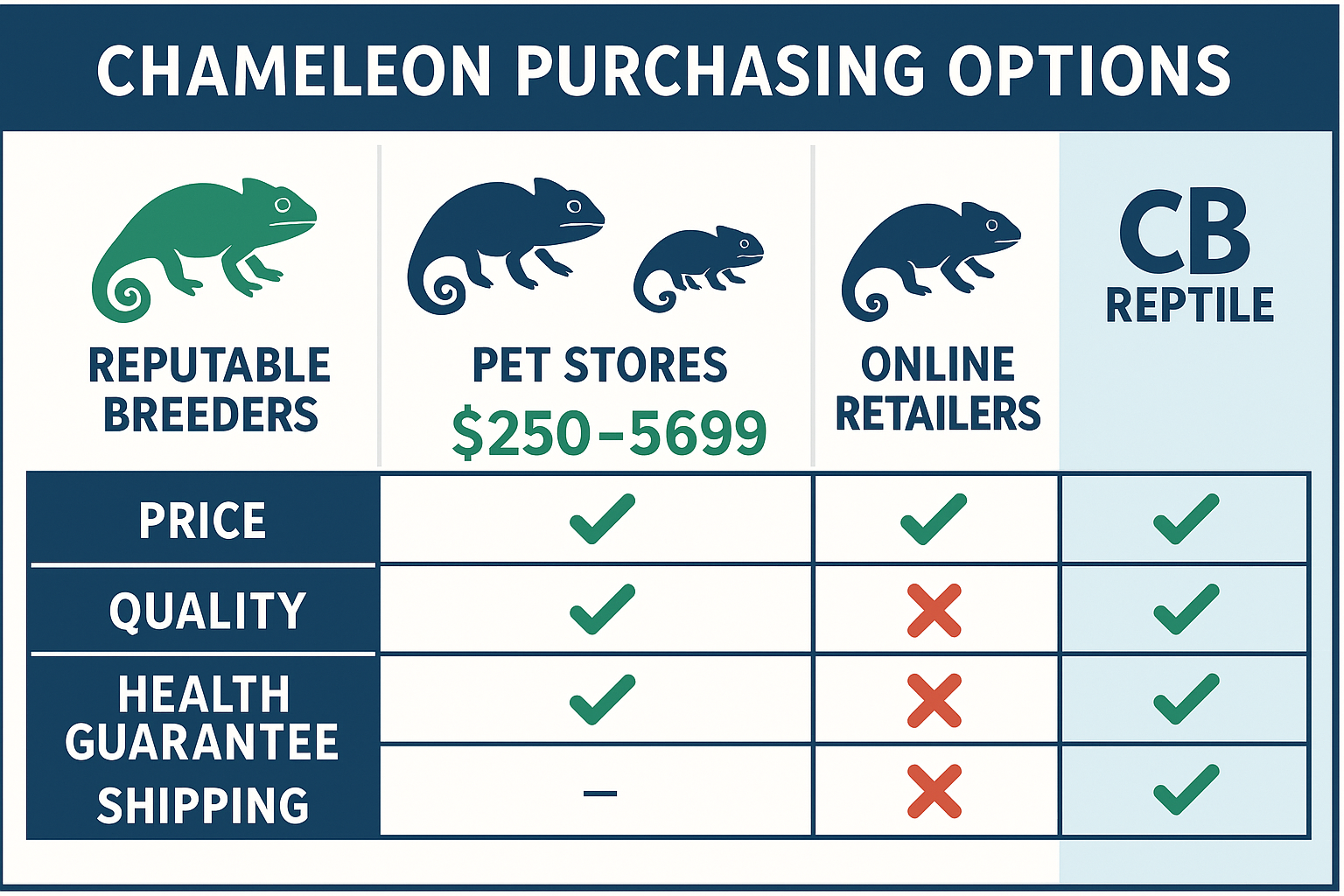
CB Reptile has established itself as the leading panther chameleon for sale source in the United States, specializing in captive-bred specimens with exceptional genetics and health standards. Their reputation stems from:

Quality Assurance:

  • Captive-bred only: No wild-caught specimens
  • Health guarantees: Comprehensive health coverage
  • Genetic tracking: Detailed lineage records
  • Veterinary partnerships: Professional health screening

Breeding Excellence:

  • Selective breeding: Focus on color, size, and temperament
  • Proper husbandry: Optimal conditions for breeding stock
  • Record keeping: Detailed genetic and health documentation
  • Continuous improvement: Ongoing breeding program refinement

Pricing Structure and Investment Considerations

Female Nosy Be Panther Chameleon Pricing:

  • Baby females (2-4 months): $250
  • Juvenile females (4-8 months): $400
  • Young adult females (8-12 months): $550

Male Nosy Be Panther Chameleon Pricing:

  • Baby males (2-4 months): $399
  • Juvenile males (4-8 months): $499
  • Young adult males (8-12 months): $599-$699

Factors Affecting Pricing:

  • Age and size: Older animals command higher prices
  • Color quality: Exceptional specimens may cost more
  • Breeding potential: Proven breeders carry premium pricing
  • Seasonal availability: Limited availability may affect pricing

Additional Investment Considerations

Setup Costs:

  • Basic setup: $400-600 (enclosure, lighting, basic equipment)
  • Premium setup: $800-1200 (automated systems, live plants, quality fixtures)
  • Ongoing costs: $30-50 monthly (food, supplements, electricity)

Long-term Investment:

  • Lifespan: 5-8 years with proper care
  • Veterinary costs: $200-500 annually for routine care
  • Equipment replacement: Periodic bulb and equipment updates

When considering reptiles for sale, the nosy be panther chameleon represents a significant but rewarding investment for dedicated reptile enthusiasts.

What to Look for in a Healthy Specimen

Physical Health Indicators:

  • Alert behavior: Active, responsive to movement
  • Clear eyes: Bright, clear, no discharge or swelling
  • Proper body weight: Well-rounded but not obese
  • Clean vent: No signs of parasites or infection
  • Intact digits: All toes and tail tip present

Behavioral Assessments:

  • Feeding response: Eager to hunt and eat
  • Color changes: Appropriate responses to stimuli
  • Climbing ability: Strong grip and coordination
  • Stress indicators: Minimal dark stress coloration

Documentation Requirements:

  • Health records: Veterinary examinations and treatments
  • Feeding records: Diet and supplementation history
  • Genetic information: Lineage and breeding history
  • Care instructions: Specific husbandry recommendations

Advanced Nosy Be Panther Chameleon Husbandry Techniques

Mastering advanced husbandry techniques elevates nosy be panther chameleon care from basic maintenance to optimal conditions that promote exceptional health, coloration, and breeding success.

Environmental Enrichment Strategies

Behavioral Enrichment:

  • Feeding variety: Rotating prey species to stimulate hunting behaviors
  • Environmental complexity: Multiple climbing routes and perching options
  • Visual stimulation: Strategic placement near windows (with UVB protection)
  • Seasonal variations: Subtle environmental changes to simulate natural cycles

Naturalistic Design Elements:

  • Background installations: Cork bark or natural rock backgrounds
  • Water features: Small fountains or drippers for ambient humidity
  • Plant diversity: Multiple plant species for varied microenvironments
  • Lighting zones: Creating distinct basking and cooling areas

Advanced Monitoring Systems

Technology Integration:

  • Digital monitoring: WiFi-enabled temperature and humidity sensors
  • Automated alerts: Smartphone notifications for environmental changes
  • Data logging: Long-term tracking of environmental parameters
  • Remote access: Monitoring capabilities while away from home

Health Tracking Systems:

  • Weight databases: Digital tracking of growth and weight changes
  • Feeding logs: Detailed records of prey consumption and supplementation
  • Behavior journals: Documentation of activity patterns and changes
  • Photo documentation: Regular photos to track color development and health

Breeding Program Management

Genetic Planning:

  • Lineage tracking: Detailed family trees and genetic records
  • Outcrossing strategies: Introducing new genetics to prevent inbreeding
  • Color line development: Selective breeding for specific traits
  • Health screening: Genetic testing for hereditary conditions

Record Keeping Systems:

  • Digital databases: Comprehensive breeding and health records
  • Photo documentation: Visual records of breeding stock and offspring
  • Performance tracking: Success rates and offspring survival statistics
  • Market analysis: Tracking demand and pricing trends

Professional breeding operations utilize sophisticated record-keeping systems to maintain genetic diversity and improve breeding outcomes over time.

Seasonal Care Adjustments

Winter Protocols:

  • Temperature reduction: Gradual cooling to simulate seasonal changes
  • Photoperiod adjustment: Reduced daylight hours
  • Feeding modifications: Slight reduction in feeding frequency
  • Humidity management: Adjustments for indoor heating effects

Spring Preparation:

  • Gradual warming: Slow return to normal temperatures
  • Increased nutrition: Enhanced feeding to prepare for breeding season
  • Health assessments: Pre-breeding veterinary examinations
  • Equipment maintenance: Annual equipment inspection and replacement

Summer Optimization:

  • Heat management: Preventing overheating during hot weather
  • Hydration focus: Increased misting during dry periods
  • Ventilation enhancement: Improved airflow for comfort
  • Growth monitoring: Peak growing season for juveniles

Conclusion: Your Journey with Nosy Be Panther Chameleons

The nosy be panther chameleon represents one of the most rewarding and visually spectacular reptile keeping experiences available to dedicated enthusiasts. These magnificent creatures offer a unique combination of stunning beauty, fascinating behaviors, and engaging husbandry challenges that create lasting connections between keeper and animal.

Throughout this comprehensive guide, we've explored every aspect of nosy be panther chameleon care, from basic housing requirements to advanced breeding techniques. The key to success lies in understanding that these animals require specific environmental conditions, consistent care, and a commitment to ongoing learning and improvement.

CB Reptile continues to lead the industry in providing healthy, captive-bred nosy be panther chameleons with exceptional genetics and comprehensive support for new owners. Their commitment to quality and customer education ensures that each chameleon finds a prepared and knowledgeable home.

Next Steps for Prospective Owners

  1. Prepare your setup: Invest in quality equipment and establish proper environmental conditions before acquiring your chameleon
  2. Research local veterinary care: Identify qualified exotic veterinarians in your area
  3. Connect with the community: Join chameleon forums and local reptile groups for ongoing support and advice
  4. Start with quality stock: Choose reputable breeders who prioritize health and genetics over quick profits
  5. Commit to continuous learning: Stay updated on husbandry advances and health care developments

The journey of nosy be panther chameleon ownership offers rewards that extend far beyond the initial excitement of acquisition. These remarkable animals provide years of fascination, learning opportunities, and the satisfaction that comes from successfully caring for one of nature's most extraordinary creatures.

Whether you're drawn to their incredible color-changing abilities, their unique behaviors, or the challenge of successful breeding, nosy be panther chameleons offer an unparalleled reptile keeping experience that continues to captivate enthusiasts worldwide. With proper preparation, quality equipment, and ongoing dedication to their care, your nosy be panther chameleon will thrive and provide years of enjoyment and wonder.


SEO Meta Title: Nosy Be Panther Chameleon Care Guide 2025 | CB Reptile Expert Tips

SEO Meta Description: Complete Nosy Be panther chameleon care guide covering habitat setup, breeding, diet, and health. Expert tips from CB Reptile, the #1 chameleon breeder.

Panther chameleons for sale

The Complete Guide to Panther Chameleons for Sale: Your 2025 Buyer's Manual

Professional landscape hero image (1536x1024) featuring vibrant panther chameleon with brilliant blue and red coloration perched on tropical

Picture this: a living rainbow perched on your finger, its skin shifting through brilliant blues, fiery reds, and vibrant oranges as it surveys its domain with independently moving eyes. This isn't a fantasy—it's the daily reality of owning a panther chameleon, one of nature's most spectacular reptilian masterpieces. If you're searching for panther chameleons for sale, you're about to embark on a journey into the world of Madagascar's most coveted reptilian gems, where each locale offers its own unique palette of colors and personality traits that have captivated reptile enthusiasts worldwide.

Key Takeaways

CB Reptile stands as the premier destination for captive-bred panther chameleons, offering competitive pricing from $250-$699 depending on sex, age, and locale
Locale selection is crucial – each Madagascar region (Ambilobe, Nosy Be, Sambava, etc.) produces distinct color patterns and characteristics
Proper habitat setup requires significant investment – expect $800-1,500 for complete terrarium, lighting, misting systems, and accessories
Males display more vibrant colors but females live longer and are generally hardier for beginners
Captive-bred specimens are always preferable to wild-caught, offering better health, temperament, and adaptation to captivity

Understanding Panther Chameleon Locales and Pricing

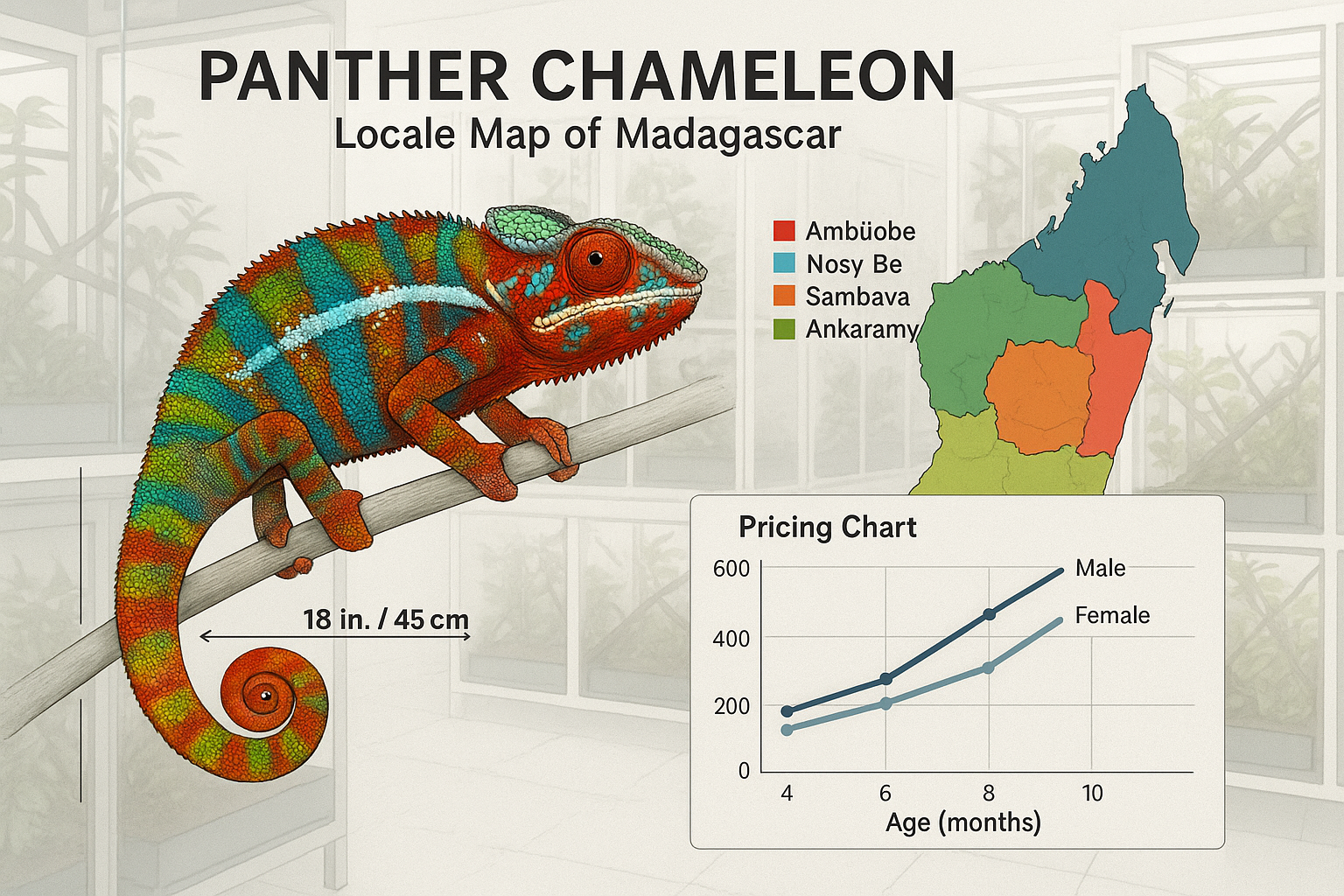
Detailed infographic showing panther chameleon locale map of Madagascar with color-coded regions (Ambilobe red-blue, Nosy Be blue-green, Sam

The Science Behind Locale-Specific Coloration

When exploring panther chameleons for sale, understanding locales becomes your first crucial decision. These geographic variants from Madagascar have evolved distinct color patterns over thousands of years, creating what essentially amounts to living art pieces with predictable color genetics.

Ambilobe panther chameleons represent the holy grail for many collectors, displaying intense reds, blues, and oranges that can shift dramatically based on mood, temperature, and social interactions. Ambilobe panther chameleons for sale typically command premium prices due to their spectacular coloration and strong breeding lines.

Nosy Be specimens showcase brilliant blues and greens, often with turquoise highlights that seem to glow under proper UVB lighting. These chameleons tend to be slightly smaller than their Ambilobe cousins but make up for size with their ethereal beauty.

Sambava locales bring fiery oranges and reds to the table, while Ankaramy specimens display unique yellow and green combinations rarely seen in other locales.

2025 Pricing Structure for Panther Chameleons

Age Category Female Pricing Male Pricing Characteristics
Baby (2-4 months) $250 $399 Unsexed possible, basic colors developing
Juvenile (4-8 months) $400 $499 Sex confirmed, colors emerging
Young Adult (8-12 months) $550 $599-$699 Full coloration developing, breeding potential

The price differential between males and females reflects market demand for the spectacular male coloration, though experienced keepers often prefer females for their longevity and hardier constitution.

Selecting Your Locale: A Detailed Comparison

Ambilobe Characteristics:

  • Size: Males 17-20 inches, females 12-14 inches
  • Colors: Intense reds, blues, oranges, with white striping
  • Temperament: Generally calm, good for handling
  • Breeding: Excellent genetic diversity, strong lines available

Nosy Be Features:

  • Size: Males 15-18 inches, females 10-12 inches
  • Colors: Blue-green base with turquoise highlights
  • Temperament: More reserved, spectacular display colors
  • Breeding: Consistent color production, reliable genetics

When searching for quality panther chameleon for sale options, CB Reptile has established itself as the industry leader, offering captive-bred specimens from proven bloodlines with health guarantees and ongoing support.

Setting Up the Perfect Panther Chameleon Habitat

Essential Equipment and Setup Costs

Creating an appropriate environment for your new panther chameleon requires careful planning and significant investment. The old saying "buy once, cry once" applies perfectly here—investing in quality equipment from the start saves money and ensures your chameleon's health.

Terrarium Requirements:

  • Minimum Size: 24" x 24" x 48" for adults (larger is always better)
  • Material: Screen construction for proper ventilation
  • Cost: $200-400 for quality enclosures

Lighting System:

  • UVB Requirements: 5.0-10.0 UVB fluorescent or LED
  • Basking Light: 75-100 watt incandescent or halogen
  • Timer Controls: Essential for 12-hour light cycles
  • Total Cost: $150-300

Climate Control:

  • Temperature Range: 72-78°F ambient, 85-90°F basking
  • Humidity Levels: 60-80% with proper ventilation
  • Misting System: MistKing automated systems recommended
  • Cost: $200-500 for complete climate control

The MistKing misting system has become the gold standard for panther chameleon hydration, providing the fine mist these animals require while maintaining proper humidity levels without creating stagnant conditions that promote bacterial growth.

Live Plants and Naturalistic Design

Panther chameleons thrive in bioactive setups that mimic their natural Madagascar habitat. Incorporating live plants serves multiple purposes: improving air quality, maintaining humidity, providing natural climbing opportunities, and creating the visual barriers these somewhat shy reptiles require.

Recommended Plant Species:

  • Pothos: Hardy, fast-growing, excellent for coverage
  • Ficus benjamina: Sturdy branches, chameleon-safe
  • Schefflera: Multiple climbing opportunities, dense foliage
  • Hibiscus: Edible flowers, beautiful blooms, strong structure

Substrate Considerations:
While some keepers prefer bare-bottom enclosures for easy cleaning, a naturalistic substrate blend of organic soil, sphagnum moss, and leaf litter creates a living ecosystem that processes waste and maintains humidity naturally.

For those interested in exploring other reptilian options, CB Reptile offers an extensive selection of reptiles for sale beyond chameleons, though few match the panther chameleon's unique combination of beauty and personality.

Advanced Habitat Features

Drainage Systems:
Proper drainage prevents the standing water that can quickly turn deadly for chameleons. A false bottom using egg crate and screen, or commercial drainage layers, ensures excess water doesn't accumulate.

Ventilation Design:
Unlike many reptiles that require enclosed, humid environments, panther chameleons need significant airflow. Cross-ventilation with intake vents low and exhaust vents high creates the air movement these arboreal species require.

Territory Considerations:
Adult panther chameleons, particularly males, require visual barriers within their enclosure. Dense foliage, cork bark panels, and strategic plant placement allow your chameleon to feel secure while still providing viewing opportunities.

Nutrition and Feeding Protocols

Feeder Insect Variety and Nutrition

Panther chameleons are insectivores with specific nutritional requirements that vary by age, sex, and reproductive status. A varied diet prevents nutritional deficiencies and keeps your chameleon engaged during feeding time.

Primary Feeder Insects:

  • Crickets: Excellent staple, easy to gut-load
  • Dubia Roaches: High protein, low chitin, longer-lived
  • Silkworms: High calcium, soft-bodied, ideal for growing chameleons
  • Hornworms: High moisture content, occasional treats

Supplementation Schedule:

  • Calcium without D3: Every feeding for juveniles, every other feeding for adults
  • Calcium with D3: Once weekly
  • Multivitamin: Twice monthly

Gut-Loading Protocol:
Feeder insects should be fed nutritious foods 24-48 hours before being offered to your chameleon. Commercial gut-loading diets, fresh vegetables, and fruits ensure the insects provide maximum nutritional value.

Age-Specific Feeding Guidelines

Baby Panther Chameleons (0-6 months):

  • Frequency: Daily feeding
  • Quantity: 10-15 appropriately sized insects
  • Size Rule: Insects should be no larger than the space between the chameleon's eyes

Juvenile Chameleons (6-12 months):

  • Frequency: Daily feeding
  • Quantity: 8-12 insects
  • Growth Monitoring: Weekly weight checks ensure proper development

Adult Chameleons (12+ months):

  • Males: Every other day, 5-8 large insects
  • Females: Daily during egg development, every other day otherwise
  • Breeding Females: Increased feeding during follicle development

The feeding response of a healthy panther chameleon is truly spectacular to witness—their ballistic tongue can extend 1.5 times their body length in just 20 milliseconds, making them incredibly efficient hunters.

Breeding Panther Chameleons: Advanced Husbandry

Understanding Reproductive Cycles

Breeding panther chameleons represents the pinnacle of reptile keeping, requiring deep understanding of their complex reproductive biology and environmental triggers. Female panther chameleons are particularly fascinating, as they develop eggs whether mated or not, making proper nutrition and nesting sites crucial for their health.

Female Reproductive Indicators:

  • Receptive Coloration: Pale colors with orange or pink highlights
  • Gravid Coloration: Dark base colors with bright orange or yellow patterns
  • Behavioral Changes: Increased appetite followed by restlessness when ready to lay

Male Breeding Behavior:

  • Territorial Displays: Intense coloration, head bobbing, lateral compression
  • Courtship Approach: Slow, deliberate movements with color changes
  • Mating Duration: Brief copulation, often repeated over several days

Egg Incubation and Hatchling Care

Panther chameleon eggs require precise incubation conditions that mimic the sandy soils of Madagascar. The 7-9 month incubation period tests any breeder's patience, but the reward of healthy hatchlings makes the wait worthwhile.

Incubation Parameters:

  • Temperature: 74-78°F (slight fluctuations beneficial)
  • Humidity: 80-90% in incubation medium
  • Medium: Vermiculite and water (1:1 by weight)
  • Container: Sealed with small ventilation holes

Hatchling Setup:
Newly emerged panther chameleons require immediate access to appropriate-sized food and proper hydration. Setting up individual enclosures or carefully monitored group housing ensures each baby receives adequate nutrition during the critical first months.

For those interested in learning more about advanced husbandry techniques, CB Reptile provides extensive care guides that translate well to chameleon keeping, particularly regarding environmental controls and monitoring systems.

Health Monitoring and Veterinary Care

Professional terrarium setup cross-section diagram showing proper panther chameleon habitat requirements, UVB lighting placement, MistKing m

Common Health Issues and Prevention

Panther chameleons, while generally hardy when properly cared for, can develop specific health issues that require immediate attention. Early recognition of symptoms often means the difference between successful treatment and losing your beloved pet.

Metabolic Bone Disease (MBD):

  • Causes: Insufficient UVB, poor calcium/phosphorus ratios, inadequate supplementation
  • Symptoms: Soft jaw, bent limbs, difficulty climbing, tremors
  • Prevention: Proper UVB lighting, consistent supplementation, varied diet

Respiratory Infections:

  • Causes: Poor ventilation, temperature fluctuations, stress
  • Symptoms: Mouth breathing, mucus discharge, lethargy
  • Treatment: Veterinary antibiotics, environmental corrections

Parasites:

  • Types: Internal nematodes, coccidia, external mites
  • Prevention: Quarantine new animals, fecal examinations, clean environments
  • Treatment: Prescription anti-parasitic medications

Establishing Veterinary Relationships

Finding an exotic veterinarian experienced with chameleons should happen before you need one. Many general practice vets lack the specialized knowledge required for proper chameleon medicine, making it crucial to locate qualified professionals in advance.

Questions for Potential Vets:

  • How many chameleons do you see annually?
  • What diagnostic equipment do you have for reptiles?
  • Do you stock reptile-specific medications?
  • Can you perform reptile surgery if needed?

Emergency Preparedness:
Maintaining a reptile first aid kit and understanding basic emergency procedures can save precious time during health crises. Items like sterile saline, digital thermometers, and emergency contact information should be readily accessible.

Choosing the Right Panther Chameleon Breeder

Evaluating Breeder Quality and Ethics

When searching for panther chameleons for sale, the breeder you choose significantly impacts your long-term success and enjoyment. CB Reptile has earned its reputation as the premier chameleon breeder through consistent quality, health guarantees, and ongoing customer support that extends well beyond the initial sale.

Red Flags to Avoid:

  • Wild-Caught Animals: Often stressed, parasitized, and poorly adapted to captivity
  • No Health Guarantees: Reputable breeders stand behind their animals
  • Poor Communication: Difficulty reaching the breeder suggests inadequate support
  • Suspiciously Low Prices: Quality breeding programs require significant investment

Quality Indicators:

  • Detailed Care Sheets: Comprehensive husbandry information demonstrates expertise
  • Health Records: Vaccination records, fecal examinations, veterinary relationships
  • Breeding Records: Documented lineages, genetic diversity considerations
  • Customer References: Satisfied customers willing to share experiences

The CB Reptile Advantage

CB Reptile's commitment to excellence extends beyond simply producing beautiful chameleons. Their breeding program focuses on genetic diversity, health screening, and proper socialization that creates chameleons well-suited to captive life.

CB Reptile's Unique Features:

  • Captive-Bred Only: No wild-caught animals, ensuring better health and temperament
  • Genetic Tracking: Detailed lineage records prevent inbreeding
  • Health Guarantees: Comprehensive coverage protecting your investment
  • Ongoing Support: Expert advice available throughout your chameleon's life

Shipping and Logistics:
Professional shipping services ensure your new chameleon arrives safely and stress-free. Live animal shipping requires specialized knowledge and equipment that CB Reptile has perfected over years of experience.

Advanced Care Techniques and Enrichment

Environmental Enrichment Strategies

Panther chameleons benefit significantly from environmental enrichment that stimulates natural behaviors and prevents the boredom that can lead to stress-related health issues. Creating a dynamic environment that changes periodically keeps your chameleon mentally engaged and physically active.

Enrichment Ideas:

  • Seasonal Plant Rotation: Changing plant species and arrangements
  • Hunting Challenges: Hiding insects in different locations
  • Climbing Opportunities: Varying branch diameters and orientations
  • Visual Stimulation: Mirrors (used sparingly), moving decorations

Free-Range Opportunities:
Some experienced keepers create free-range areas where chameleons can explore outside their primary enclosure. These setups require careful planning to ensure safety while providing expanded territory and novel experiences.

Monitoring Technology and Automation

Modern technology offers numerous tools for monitoring and maintaining optimal chameleon environments. Digital monitoring systems can alert you to temperature or humidity fluctuations before they become dangerous.

Recommended Monitoring Equipment:

  • Digital Thermometer/Hygrometers: Multiple units for gradient monitoring
  • Data Loggers: Record environmental conditions over time
  • Automated Misting: Programmable systems for consistent hydration
  • Timer Controls: Precise lighting schedules supporting natural rhythms

For comprehensive terrarium setups, CB Reptile offers complete terrarium packages that include all necessary equipment for successful chameleon keeping.

Long-Term Ownership Considerations

Lifespan and Commitment

Panther chameleons represent a significant long-term commitment, with proper care extending their lives well beyond what many people expect. Understanding the full scope of ownership helps ensure you're prepared for the journey ahead.

Expected Lifespans:

  • Males: 5-7 years with exceptional care
  • Females: 3-5 years (egg production reduces longevity)
  • Factors Affecting Longevity: Diet quality, environmental stability, genetic background, veterinary care

Aging Considerations:
As chameleons age, their care requirements may change. Older animals might need adjusted temperatures, softer foods, or modified environments that accommodate reduced mobility or vision changes.

Cost Analysis: Total Ownership Investment

Understanding the complete financial commitment helps potential owners make informed decisions and budget appropriately for their new pet's needs.

Initial Setup Costs:

  • Chameleon Purchase: $250-$699 (depending on sex, age, locale)
  • Terrarium Setup: $800-$1,500
  • Initial Veterinary Exam: $150-$300
  • Total Initial Investment: $1,200-$2,500

Ongoing Monthly Costs:

  • Food and Supplements: $30-$50
  • Electricity (lighting/heating): $20-$40
  • Replacement Equipment: $10-$30
  • Monthly Average: $60-$120

Annual Veterinary Care: $200-$500

Building the Chameleon Community

Connecting with other panther chameleon enthusiasts provides valuable support, advice, and friendship throughout your ownership journey. Online communities, local reptile clubs, and reptile shows offer opportunities to learn from experienced keepers and share your own discoveries.

Community Benefits:

  • Troubleshooting Help: Experienced keepers sharing solutions
  • Breeding Opportunities: Connecting compatible bloodlines
  • Equipment Trading: Buying, selling, and trading equipment
  • Friendship: Sharing the passion with like-minded individuals

The chameleon community is generally welcoming to newcomers who show genuine interest in proper care and continuous learning. Don't hesitate to ask questions—most experienced keepers are happy to share their knowledge with dedicated beginners.

Conclusion

Owning a panther chameleon represents one of the most rewarding experiences in reptile keeping, combining the satisfaction of providing excellent care with the daily wonder of observing one of nature's most remarkable creatures. From the initial excitement of selecting your locale and setting up the perfect habitat to the long-term joy of watching your chameleon thrive and display its spectacular colors, these animals offer a unique connection to the natural world.

CB Reptile stands ready to support your chameleon journey with quality captive-bred animals, comprehensive care information, and ongoing support that ensures your success. Whether you're drawn to the fiery reds of Ambilobe specimens or the ethereal blues of Nosy Be chameleons, the perfect panther chameleon awaits to become your living masterpiece.

Your Next Steps:

  1. Research Locale Options: Decide which color patterns and characteristics appeal to you most
  2. Prepare Your Setup: Invest in quality equipment before bringing your chameleon home
  3. Contact CB Reptile: Discuss available animals and reserve your perfect panther chameleon
  4. Find Veterinary Care: Establish a relationship with an exotic veterinarian
  5. Join the Community: Connect with other chameleon enthusiasts for ongoing support and friendship

The journey into panther chameleon ownership begins with a single step—and that step leads to years of wonder, learning, and the incomparable joy of sharing your life with one of Madagascar's most magnificent ambassadors. Your perfect chameleon for sale is waiting to transform your world into a living rainbow of possibility.

<!DOCTYPE html>
<html lang="en">
<head>
    <meta charset="UTF-8">
    <meta name="viewport" content="width=device-width, initial-scale=1.0">
    <title>Panther Chameleon Cost Calculator</title>
    <style>
        .cg-element-calculator {
            max-width: 600px;
            margin: 20px auto;
            padding: 25px;
            background: linear-gradient(135deg, #2c5530, #4a7c59);
            border-radius: 15px;
            box-shadow: 0 8px 25px rgba(0,0,0,0.3);
            font-family: 'Segoe UI', Tahoma, Geneva, Verdana, sans-serif;
            color: white;
        }
        
        .cg-element-title {
            text-align: center;
            font-size: 24px;
            margin-bottom: 25px;
            color: #fff;
            text-shadow: 2px 2px 4px rgba(0,0,0,0.5);
        }
        
        .cg-element-form-group {
            margin-bottom: 20px;
        }
        
        .cg-element-label {
            display: block;
            margin-bottom: 8px;
            font-weight: 600;
            font-size: 16px;
        }
        
        .cg-element-select, .cg-element-input {
            width: 100%;
            padding: 12px;
            border: none;
            border-radius: 8px;
            font-size: 16px;
            background: rgba(255,255,255,0.9);
            color: #333;
            box-sizing: border-box;
        }
        
        .cg-element-select:focus, .cg-element-input:focus {
            outline: 3px solid #7fb069;
            background: white;
        }
        
        .cg-element-results {
            background: rgba(255,255,255,0.15);
            padding: 20px;
            border-radius: 10px;
            margin-top: 25px;
            backdrop-filter: blur(10px);
        }
        
        .cg-element-result-item {
            display: flex;
            justify-content: space-between;
            margin-bottom: 12px;
            padding: 8px 0;
            border-bottom: 1px solid rgba(255,255,255,0.2);
        }
        
        .cg-element-result-item:last-child {
            border-bottom: none;
            font-weight: bold;
            font-size: 18px;
            color: #7fb069;
        }
        
        .cg-element-price {
            font-weight: bold;
            color: #ffd700;
        }
        
        .cg-element-total {
            background: rgba(127,176,105,0.3);
            padding: 15px;
            border-radius: 8px;
            margin-top: 15px;
            text-align: center;
            font-size: 20px;
            font-weight: bold;
        }
        
        @media (max-width: 600px) {
            .cg-element-calculator {
                margin: 10px;
                padding: 20px;
            }
            
            .cg-element-title {
                font-size: 20px;
            }
        }
    </style>
</head>
<body>
    <div class="cg-element-calculator">
        <h2 class="cg-element-title">🦎 Panther Chameleon Total Cost Calculator</h2>
        
        <div class="cg-element-form-group">
            <label class="cg-element-label">Chameleon Sex:</label>
            <select class="cg-element-select" id="cg-sex">
                <option value="male">Male</option>
                <option value="female">Female</option>
            </select>
        </div>
        
        <div class="cg-element-form-group">
            <label class="cg-element-label">Age Category:</label>
            <select class="cg-element-select" id="cg-age">
                <option value="baby">Baby (2-4 months)</option>
                <option value="juvenile">Juvenile (4-8 months)</option>
                <option value="young-adult">Young Adult (8-12 months)</option>
            </select>
        </div>
        
        <div class="cg-element-form-group">
            <label class="cg-element-label">Locale Type:</label>
            <select class="cg-element-select" id="cg-locale">
                <option value="standard">Standard Locale</option>
                <option value="premium">Premium Locale (Ambilobe)</option>
            </select>
        </div>
        
        <div class="cg-element-form-group">
            <label class="cg-element-label">Setup Level:</label>
            <select class="cg-element-select" id="cg-setup">
                <option value="basic">Basic Setup</option>
                <option value="intermediate">Intermediate Setup</option>
                <option value="premium">Premium Setup</option>
            </select>
        </div>
        
        <div class="cg-element-form-group">
            <label class="cg-element-label">Monthly Food Budget:</label>
            <input type="number" class="cg-element-input" id="cg-months" value="12" min="1" max="60" placeholder="Number of months">
        </div>
        
        <div class="cg-element-results">
            <div class="cg-element-result-item">
                <span>Chameleon Cost:</span>
                <span class="cg-element-price" id="cg-chameleon-cost">$399</span>
            </div>
            <div class="cg-element-result-item">
                <span>Setup Cost:</span>
                <span class="cg-element-price" id="cg-setup-cost">$800</span>
            </div>
            <div class="cg-element-result-item">
                <span>Food & Supplies:</span>
                <span class="cg-element-price" id="cg-food-cost">$480</span>
            </div>
            <div class="cg-element-result-item">
                <span>Veterinary Care:</span>
                <span class="cg-element-price" id="cg-vet-cost">$350</span>
            </div>
            <div class="cg-element-total">
                <div>Total Investment: <span id="cg-total-cost">$2,029</span></div>
            </div>
        </div>
    </div>

    <script>
        function updateCalculator() {
            const sex = document.getElementById('cg-sex').value;
            const age = document.getElementById('cg-age').value;
            const locale = document.getElementById('cg-locale').value;
            const setup = document.getElementById('cg-setup').value;
            const months = parseInt(document.getElementById('cg-months').value) || 12;
            
            // Chameleon pricing
            const pricing = {
                male: {
                    baby: 399,
                    juvenile: 499,
                    'young-adult': 649
                },
                female: {
                    baby: 250,
                    juvenile: 400,
                    'young-adult': 550
                }
            };
            
            let chameleonCost = pricing[sex][age];
            
            // Premium locale upcharge
            if (locale === 'premium') {
                chameleonCost += 100;
            }
            
            // Setup costs
            const setupCosts = {
                basic: 800,
                intermediate: 1200,
                premium: 1800
            };
            
            const setupCost = setupCosts[setup];
            
            // Monthly costs
            const monthlyFood = 40;
            const foodCost = monthlyFood * months;
            
            // Veterinary care (annual)
            const years = Math.ceil(months / 12);
            const vetCost = 200 + (years * 150); // Initial exam + annual checkups
            
            const totalCost = chameleonCost + setupCost + foodCost + vetCost;
            
            // Update display
            document.getElementById('cg-chameleon-cost').textContent = `$${chameleonCost}`;
            document.getElementById('cg-setup-cost').textContent = `$${setupCost}`;
            document.getElementById('cg-food-cost').textContent = `$${foodCost}`;
            document.getElementById('cg-vet-cost').textContent = `$${vetCost}`;
            document.getElementById('cg-total-cost').textContent = `$${totalCost.toLocaleString()}`;
        }
        
        // Add event listeners
        document.getElementById('cg-sex').addEventListener('change', updateCalculator);
        document.getElementById('cg-age').addEventListener('change', updateCalculator);
        document.getElementById('cg-locale').addEventListener('change', updateCalculator);
        document.getElementById('cg-setup').addEventListener('change', updateCalculator);
        document.getElementById('cg-months').addEventListener('input', updateCalculator);
        
        // Initialize calculator
        updateCalculator();
    </script>
</body>
</html>

SEO Meta Title: Panther Chameleons for Sale – Premium Captive Bred 2025

SEO Meta Description: Discover premium panther chameleons for sale from CB Reptile. Captive-bred quality, all locales available, expert care guides. Prices from $250-$699. Order today!

cb panther chameleons

The Complete Guide to CB Panther Chameleons: Premium Captive-Bred Specimens for 2025

Professional landscape hero image (1536x1024) featuring vibrant captive-bred panther chameleon with brilliant blue and orange coloration per

Picture this: A vibrant blue and orange chameleon slowly rotating its turret-like eyes, scanning its territory with the precision of a living jewel. CB panther chameleons represent the pinnacle of captive breeding excellence, offering reptile enthusiasts the opportunity to own one of nature's most spectacular color-changing masterpieces without the ethical concerns of wild-caught specimens.

As someone who has worked with chameleons for over a decade, I can confidently say that captive-bred panther chameleons have revolutionized the reptile hobby. These magnificent creatures, scientifically known as Furcifer pardalis, showcase incredible genetic diversity through their various locales, each displaying unique colorations that would make any rainbow jealous.

Key Takeaways

CB panther chameleons offer superior health, temperament, and longevity compared to wild-caught specimens
• Males display more vibrant colors and live 5-7 years, while females typically live 2-3 years but are essential for breeding programs
• Different Madagascar locales produce distinct color variations, from the blues of Nosy Be to the reds of Sambava
• Proper habitat setup requires specific temperature gradients (70-85°F), humidity levels (60-80%), and UVB lighting
• CB Reptile stands as the premier breeder offering healthy, well-socialized panther chameleons at competitive prices

Understanding CB Panther Chameleons: The Captive-Bred Advantage 🦎

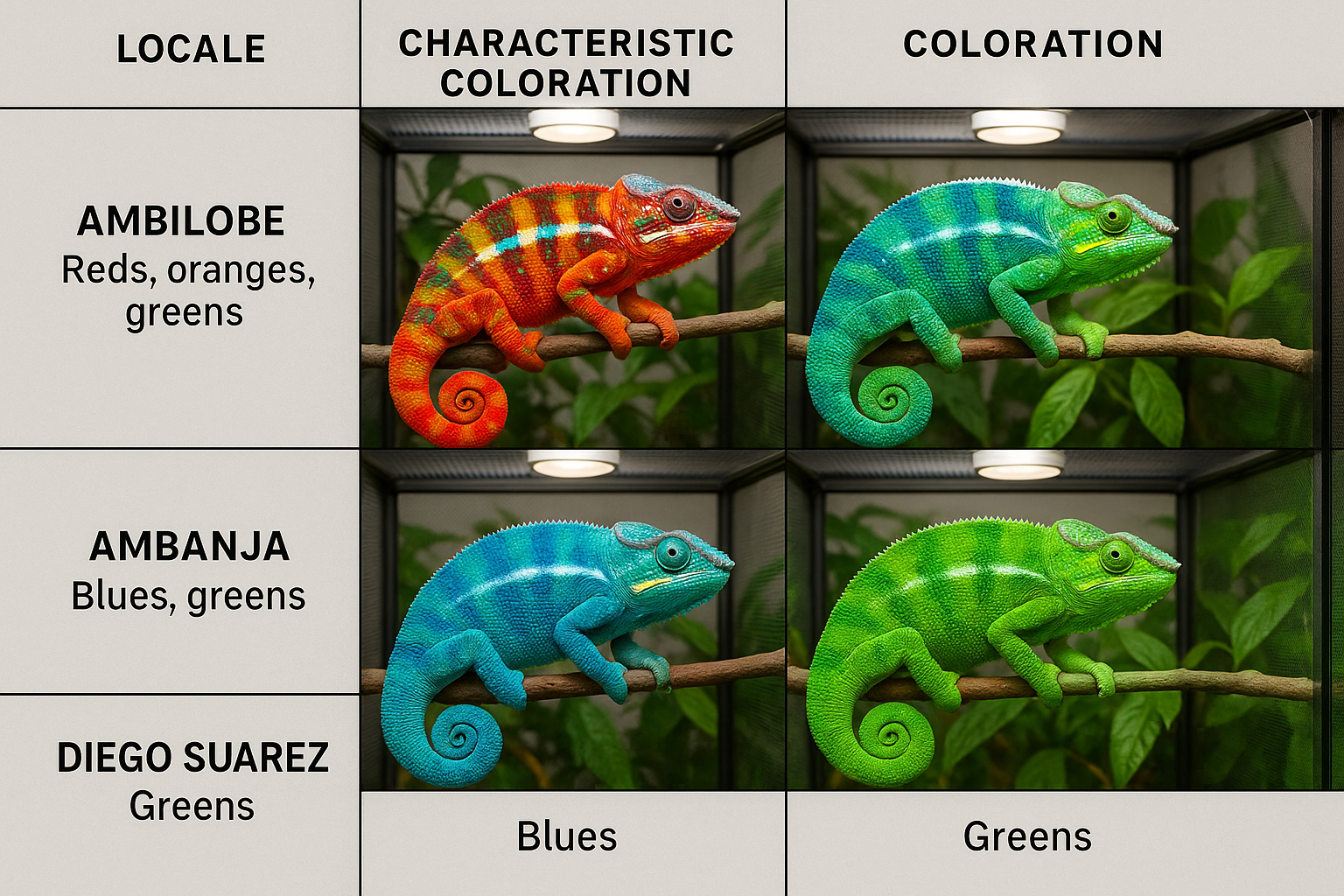
Detailed comparison chart showing different panther chameleon locales (Ambilobe, Ambanja, Nosy Be, Diego Suarez) with male specimens display

When I first started keeping chameleons in the early 2000s, most available specimens were wild-caught imports with high mortality rates and parasitic infections. The emergence of dedicated cb panther chameleon breeding programs has completely transformed this landscape, creating healthier, more adaptable animals that thrive in captivity.

Captive-bred (CB) panther chameleons offer numerous advantages over their wild-caught counterparts:

  • Superior Health: No parasites, diseases, or stress from importation
  • Better Temperament: Socialized to human interaction from birth
  • Known Genetics: Predictable traits and coloration patterns
  • Longer Lifespan: Males live 5-7 years, females 2-3 years
  • Ethical Sourcing: No impact on wild Madagascar populations

The Science Behind Captive Breeding Success

Modern cb panther chameleon breeding programs utilize advanced husbandry techniques that mirror natural Madagascar conditions. Professional breeders like CB Reptile have perfected incubation protocols, juvenile care, and genetic selection to produce specimens that often exceed wild chameleons in both health and coloration intensity.

The key factors contributing to successful captive breeding include:

  1. Precise Environmental Controls: Temperature, humidity, and lighting cycles
  2. Nutritional Excellence: Gut-loaded feeder insects and vitamin supplementation
  3. Stress Reduction: Proper enclosure design and minimal handling
  4. Genetic Diversity: Careful lineage tracking to prevent inbreeding

Sexual Dimorphism in CB Panther Chameleons

One of the most fascinating aspects of cb panther chameleons is their extreme sexual dimorphism. Males can reach impressive lengths of 15-20 inches, while females remain compact at 8-10 inches. This size difference isn't just aesthetic – it reflects their different ecological roles in Madagascar's forests.

Male Characteristics:

  • Vibrant coloration (blues, reds, oranges, greens)
  • Prominent casque (head crest)
  • Larger body size and territorial behavior
  • Distinctive rostral projection

Female Characteristics:

  • Subdued coloration with breeding receptivity signals
  • Smaller, more streamlined build
  • Egg-laying capabilities requiring special care
  • Less aggressive temperament

Panther Chameleon Locales: A Rainbow of CB Varieties

The term "locale" in the cb panther chameleon world refers to the specific geographic region of Madagascar where the original breeding stock originated. Each locale has developed distinct coloration patterns over thousands of years, creating what essentially amounts to living artwork with predictable genetic traits.

Premium Locales Available from Top Breeders

Ambilobe Locale 🔵
The crown jewel of panther chameleon locales, Ambilobe males display stunning combinations of blue, red, and white. Their popularity stems from their intense coloration and relatively calm temperament. Adult males often showcase electric blue bodies with red barring and white highlights.

Ambanja Locale 🔴
Known for their fiery red and green coloration, Ambanja panther chameleons represent some of the most sought-after specimens in the hobby. Males typically display emerald green bases with brilliant red highlights and blue accents.

Nosy Be Locale 💙
Originating from the island of Nosy Be, these chameleons are famous for their predominantly blue coloration. Males range from turquoise to deep royal blue, often with minimal pattern variation but maximum color intensity.

Diego Suarez (Sambava) Locale 🟠
These northern Madagascar natives showcase orange and red dominant coloration with green undertones. They're known for their robust size and distinctive pattern variations.

Choosing the Right Locale for Your Setup

When selecting cb panther chameleons, consider these factors:

Locale Color Dominance Temperament Size Price Range
Ambilobe Blue/Red/White Moderate Large $399-699
Ambanja Red/Green Calm Medium-Large $399-699
Nosy Be Blue Active Medium $399-699
Diego Suarez Orange/Red Bold Large $399-699

For those interested in exploring specific locale options, panther chameleon breeders like CB Reptile offer detailed lineage information and locale-specific care guidance.

<!DOCTYPE html>
<html lang="en">
<head>
    <meta charset="UTF-8">
    <meta name="viewport" content="width=device-width, initial-scale=1.0">
    <title>CB Panther Chameleon Pricing Calculator</title>
    <style>
        .cg-element-calculator {
            max-width: 600px;
            margin: 20px auto;
            padding: 20px;
            background: linear-gradient(135deg, #667eea 0%, #764ba2 100%);
            border-radius: 15px;
            box-shadow: 0 10px 30px rgba(0,0,0,0.2);
            font-family: 'Arial', sans-serif;
            color: white;
        }
        .cg-element-title {
            text-align: center;
            font-size: 24px;
            font-weight: bold;
            margin-bottom: 20px;
            text-shadow: 2px 2px 4px rgba(0,0,0,0.3);
        }
        .cg-element-form-group {
            margin-bottom: 15px;
        }
        .cg-element-label {
            display: block;
            margin-bottom: 5px;
            font-weight: bold;
            font-size: 14px;
        }
        .cg-element-select, .cg-element-input {
            width: 100%;
            padding: 10px;
            border: none;
            border-radius: 8px;
            font-size: 16px;
            background: rgba(255,255,255,0.9);
            color: #333;
        }
        .cg-element-result {
            background: rgba(255,255,255,0.15);
            padding: 20px;
            border-radius: 10px;
            margin-top: 20px;
            text-align: center;
            backdrop-filter: blur(10px);
        }
        .cg-element-price {
            font-size: 32px;
            font-weight: bold;
            color: #FFD700;
            text-shadow: 2px 2px 4px rgba(0,0,0,0.5);
            margin: 10px 0;
        }
        .cg-element-details {
            font-size: 14px;
            opacity: 0.9;
            line-height: 1.4;
        }
        .cg-element-button {
            background: #FF6B6B;
            color: white;
            border: none;
            padding: 12px 30px;
            border-radius: 25px;
            font-size: 16px;
            font-weight: bold;
            cursor: pointer;
            transition: all 0.3s ease;
            margin-top: 15px;
        }
        .cg-element-button:hover {
            background: #FF5252;
            transform: translateY(-2px);
            box-shadow: 0 5px 15px rgba(0,0,0,0.2);
        }
        @media (max-width: 480px) {
            .cg-element-calculator {
                margin: 10px;
                padding: 15px;
            }
            .cg-element-title {
                font-size: 20px;
            }
            .cg-element-price {
                font-size: 24px;
            }
        }
    </style>
</head>
<body>
    <div class="cg-element-calculator">
        <div class="cg-element-title">🦎 CB Panther Chameleon Pricing Calculator</div>
        
        <div class="cg-element-form-group">
            <label class="cg-element-label">Gender:</label>
            <select id="gender" class="cg-element-select">
                <option value="">Select Gender</option>
                <option value="male">Male</option>
                <option value="female">Female</option>
            </select>
        </div>
        
        <div class="cg-element-form-group">
            <label class="cg-element-label">Age Category:</label>
            <select id="age" class="cg-element-select">
                <option value="">Select Age</option>
                <option value="baby">Baby (2-4 months)</option>
                <option value="juvenile">Juvenile (4-8 months)</option>
                <option value="young-adult">Young Adult (8+ months)</option>
            </select>
        </div>
        
        <div class="cg-element-form-group">
            <label class="cg-element-label">Locale:</label>
            <select id="locale" class="cg-element-select">
                <option value="">Select Locale</option>
                <option value="ambilobe">Ambilobe</option>
                <option value="ambanja">Ambanja</option>
                <option value="nosy-be">Nosy Be</option>
                <option value="diego-suarez">Diego Suarez</option>
            </select>
        </div>
        
        <div class="cg-element-form-group">
            <label class="cg-element-label">Quantity:</label>
            <input type="number" id="quantity" class="cg-element-input" min="1" max="10" value="1">
        </div>
        
        <button class="cg-element-button" onclick="calculatePrice()">Calculate Price</button>
        
        <div id="result" class="cg-element-result" style="display: none;">
            <div class="cg-element-price" id="price">$0</div>
            <div class="cg-element-details" id="details"></div>
        </div>
    </div>

    <script>
        function calculatePrice() {
            const gender = document.getElementById('gender').value;
            const age = document.getElementById('age').value;
            const locale = document.getElementById('locale').value;
            const quantity = parseInt(document.getElementById('quantity').value) || 1;
            
            if (!gender || !age || !locale) {
                alert('Please select all options to calculate price');
                return;
            }
            
            let basePrice = 0;
            
            // Price matrix based on gender and age
            if (gender === 'male') {
                switch(age) {
                    case 'baby': basePrice = 399; break;
                    case 'juvenile': basePrice = 499; break;
                    case 'young-adult': basePrice = 649; break;
                }
            } else if (gender === 'female') {
                switch(age) {
                    case 'baby': basePrice = 250; break;
                    case 'juvenile': basePrice = 400; break;
                    case 'young-adult': basePrice = 550; break;
                }
            }
            
            // Locale premium (Ambilobe and Nosy Be command higher prices)
            if (locale === 'ambilobe' || locale === 'nosy-be') {
                basePrice += 50;
            }
            
            const totalPrice = basePrice * quantity;
            
            // Display result
            document.getElementById('price').textContent = `$${totalPrice}`;
            
            let ageText = age.charAt(0).toUpperCase() + age.slice(1).replace('-', ' ');
            let localeText = locale.charAt(0).toUpperCase() + locale.slice(1).replace('-', ' ');
            
            document.getElementById('details').innerHTML = `
                ${quantity}x ${ageText} ${gender.charAt(0).toUpperCase() + gender.slice(1)} ${localeText} Panther Chameleon${quantity > 1 ? 's' : ''}<br>
                <strong>Individual Price: $${basePrice}</strong><br>
                Includes health guarantee, care sheet, and lifetime support
            `;
            
            document.getElementById('result').style.display = 'block';
        }
        
        // Auto-calculate when values change
        document.getElementById('gender').addEventListener('change', function() {
            if (this.value && document.getElementById('age').value && document.getElementById('locale').value) {
                calculatePrice();
            }
        });
        
        document.getElementById('age').addEventListener('change', function() {
            if (this.value && document.getElementById('gender').value && document.getElementById('locale').value) {
                calculatePrice();
            }
        });
        
        document.getElementById('locale').addEventListener('change', function() {
            if (this.value && document.getElementById('gender').value && document.getElementById('age').value) {
                calculatePrice();
            }
        });
        
        document.getElementById('quantity').addEventListener('input', function() {
            if (document.getElementById('gender').value && document.getElementById('age').value && document.getElementById('locale').value) {
                calculatePrice();
            }
        });
    </script>
</body>
</html>

Essential Habitat Setup for CB Panther Chameleons

Creating the perfect environment for cb panther chameleons requires attention to detail and understanding of their natural Madagascar habitat. Unlike many reptiles, chameleons are highly sensitive to environmental parameters, making proper setup crucial for their long-term health and vibrant coloration.

Enclosure Requirements and Specifications

Minimum Enclosure Sizes:

  • Adult Males: 24" x 24" x 48" (height is critical)
  • Adult Females: 18" x 18" x 36"
  • Juveniles: 16" x 16" x 30"

The vertical orientation is essential because panther chameleons are arboreal creatures that naturally inhabit the forest canopy. Screen enclosures provide optimal ventilation, preventing the respiratory infections common in glass terrariums with poor airflow.

For those setting up their first chameleon habitat, terrarium supplies from reputable suppliers ensure you get the right components for success.

Temperature and Lighting: The Foundation of Health

cb panther chameleons require specific temperature gradients to regulate their metabolism and display natural behaviors:

Temperature Requirements:

  • Basking Spot: 85-90°F (males), 80-85°F (females)
  • Ambient Temperature: 72-78°F
  • Nighttime Drop: 65-70°F
  • Gradient: 10-15°F difference from top to bottom

UVB Lighting: Non-Negotiable for CB Success

UVB lighting isn't optional – it's essential for calcium metabolism and preventing metabolic bone disease. I recommend:

  • UVB Strength: 5.0-6% UVB fluorescent or T5 HO
  • Placement: 6-12 inches from basking spot
  • Duration: 12 hours daily with automatic timers
  • Replacement: Every 6-12 months regardless of visible light output

Humidity and Misting Systems

Maintaining proper humidity levels (60-80%) requires more than just a water bowl. CB panther chameleons drink from water droplets on leaves, making a quality misting system essential.

The MistKing System Advantage:

The MistKing automated misting system represents the gold standard for chameleon hydration. This system provides:

  • Programmable Intervals: Multiple misting sessions throughout the day
  • Fine Mist Production: Proper droplet size for drinking
  • Consistent Pressure: Reliable operation without manual intervention
  • Expandable Design: Can service multiple enclosures

Recommended Misting Schedule:

  • Morning: 5-minute session at lights-on
  • Midday: 2-minute session
  • Evening: 3-minute session before lights-off

Live Plants: Creating a Natural Ecosystem

Live plants serve multiple functions in cb panther chameleon habitats:

Top Plant Choices:

  • Ficus benjamina: Excellent climbing structure
  • Pothos: Hardy and fast-growing
  • Schefflera: Large leaves for hiding spots
  • Hibiscus: Safe flowering option

Plant Benefits:

  • Natural humidity regulation
  • Air purification
  • Psychological enrichment
  • Additional climbing opportunities

For comprehensive guidance on creating the perfect environment, advanced husbandry techniques can be adapted for chameleon care with species-specific modifications.

Feeding and Nutrition for Optimal CB Panther Chameleon Health

Proper nutrition forms the cornerstone of successful cb panther chameleon keeping. These insectivorous reptiles require a varied diet of appropriately-sized prey items, supplemented with essential vitamins and minerals to maintain their spectacular coloration and robust health.

Feeder Insect Selection and Variety

Primary Feeder Insects:

Crickets 🦗
The staple of most chameleon diets, crickets provide excellent nutrition when properly gut-loaded. Choose sizes no larger than the space between your chameleon's eyes.

Dubia Roaches 🪳
Superior to crickets in many ways – higher protein content, longer lifespan, and no chirping. They're also easier to digest and less likely to cause impaction.

Silkworms 🐛
Considered the "premium" feeder insect, silkworms offer excellent calcium-to-phosphorus ratios and are highly digestible.

Hornworms 🐛
Great for hydration due to high water content, but should be fed sparingly due to their large size and potential for addiction.

Feeding Schedule and Portion Control

Age-Based Feeding Guidelines:

Age Category Frequency Quantity Insect Size
Baby (0-6 months) Daily 10-15 insects Pinhead-small
Juvenile (6-12 months) Daily 8-12 insects Small-medium
Adult Male Every other day 5-8 insects Medium-large
Adult Female Daily when gravid 6-10 insects Medium

Gut-Loading and Supplementation

Gut-Loading Protocol:
Feed your insects high-quality foods 24-48 hours before offering them to your cb panther chameleon:

  • Commercial gut-load products
  • Fresh vegetables (carrots, sweet potatoes, leafy greens)
  • High-quality fish flakes or cricket chow
  • Fresh fruits (apples, oranges) in moderation

Supplement Schedule:

  • Calcium without D3: Every feeding
  • Calcium with D3: Once weekly
  • Multivitamin: Twice monthly

For reliable access to quality feeder insects and supplements, standard food supplies ensure your chameleon receives consistent nutrition.

Hydration: Beyond the Misting System

While misting provides primary hydration, some cb panther chameleons benefit from additional water sources:

Dripping Systems:

  • Slow drip rate (1-2 drops per second)
  • Positioned over large leaves
  • Automatic shutoff to prevent flooding

Hand Misting:

  • Useful for encouraging drinking
  • Allows monitoring of hydration status
  • Builds trust through positive interaction

Breeding CB Panther Chameleons: Advanced Techniques

Breeding cb panther chameleons represents the pinnacle of reptile husbandry, requiring extensive knowledge, proper facilities, and significant investment. Successful breeding programs contribute to conservation efforts while producing healthy animals for the pet trade.

Sexual Maturity and Breeding Readiness

Male Maturity Indicators:

  • Age: 7-12 months minimum
  • Size: 12+ inches total length
  • Full coloration development
  • Territorial behavior display
  • Hemipenal bulges visible

Female Maturity Signs:

  • Age: 6-8 months minimum
  • Size: 6+ inches total length
  • Receptive coloration (bright colors)
  • Lack of gravid patterns
  • Healthy body condition

Pre-Breeding Conditioning

Nutritional Preparation:
Increase feeding frequency and supplement with additional calcium for 4-6 weeks before breeding. Females especially need optimal body condition to handle the stress of egg production.

Environmental Cycling:
Simulate Madagascar's seasonal changes:

  • Slight temperature reduction (5°F) for 6-8 weeks
  • Reduced daylight hours (10-11 hours)
  • Decreased misting frequency
  • Gradual return to normal conditions

Breeding Process and Egg Care

Introduction Protocol:

  1. Place female in male's territory
  2. Monitor for receptive coloration
  3. Allow natural courtship behavior
  4. Separate after successful copulation

Egg Laying Setup:
Provide a laying bin with:

  • 12+ inches of moist sand/soil mixture
  • Privacy screening around bin
  • Easy access for gravid female
  • Temperature monitoring

Incubation Requirements:

  • Temperature: 72-78°F
  • Humidity: 80-90%
  • Duration: 6-9 months
  • Substrate: Vermiculite or perlite mixture

For those interested in learning more about breeding projects, advanced breeding techniques provide insights that can be adapted for chameleon breeding programs.

Health and Veterinary Care for CB Panther Chameleons

Professional terrarium habitat setup showing ideal panther chameleon enclosure with live plants, UVB lighting fixtures, misting system compo

Maintaining the health of cb panther chameleons requires proactive care, regular monitoring, and immediate attention to any concerning symptoms. These sensitive reptiles can decline rapidly if health issues aren't addressed promptly.

Common Health Issues and Prevention

Metabolic Bone Disease (MBD)
The most serious threat to cb panther chameleons, MBD results from inadequate UVB lighting or calcium supplementation.

Prevention Strategies:

  • Proper UVB lighting (5.0-6% strength)
  • Regular calcium supplementation
  • Varied diet with appropriate prey items
  • Annual veterinary checkups

Respiratory Infections
Poor ventilation and high humidity can lead to bacterial respiratory infections.

Warning Signs:

  • Open-mouth breathing
  • Wheezing or clicking sounds
  • Mucus around mouth or nose
  • Lethargy and decreased appetite

Parasitic Infections
While less common in cb panther chameleons, parasites can still occur through contaminated feeders or substrates.

Veterinary Care and Health Monitoring

Finding a Qualified Veterinarian:
Locate an exotic animal veterinarian experienced with chameleons before you need emergency care. Many general practice vets lack the specialized knowledge required for proper chameleon treatment.

Annual Health Checkups Should Include:

  • Physical examination and weight assessment
  • Fecal parasite screening
  • Blood chemistry panel (for adults)
  • Nutritional counseling
  • Husbandry review

Daily Health Monitoring:

  • Eyes: Should be bright, alert, and independently mobile
  • Appetite: Consistent feeding response
  • Coloration: Appropriate for mood and temperature
  • Movement: Smooth, coordinated climbing
  • Defecation: Regular brown feces with white urates

Emergency Situations

Immediate Veterinary Attention Required:

  • Inability to use tongue for feeding
  • Visible bone deformities or fractures
  • Persistent lethargy or weakness
  • Egg-binding in females
  • Severe dehydration or weight loss

Choosing Your CB Panther Chameleon: CB Reptile Excellence

When selecting cb panther chameleons, the breeder's reputation and animal quality make all the difference between a thriving pet and years of health problems. CB Reptile has established itself as the premier destination for high-quality, captive-bred panther chameleons.

Why CB Reptile Leads the Industry

Breeding Excellence:
CB Reptile maintains some of the finest panther chameleon bloodlines in the United States, with careful attention to:

  • Genetic Diversity: Preventing inbreeding through detailed lineage tracking
  • Health Screening: Comprehensive veterinary care for all breeding animals
  • Optimal Nutrition: Premium feeding programs for enhanced coloration
  • Stress-Free Environment: Purpose-built facilities designed for chameleon welfare

Customer Support:
Unlike many reptile dealers, CB Reptile provides:

  • Lifetime Support: Ongoing care guidance for your chameleon's entire life
  • Health Guarantees: Comprehensive coverage for peace of mind
  • Educational Resources: Detailed care sheets and setup guidance
  • Live Arrival Guarantee: Safe shipping with live animal protocols

Current Pricing and Availability

2025 Pricing Structure:

Female CB Panther Chameleons:

  • Baby (2-4 months): $250
  • Juvenile (4-8 months): $400
  • Young Adult (8+ months): $550

Male CB Panther Chameleons:

  • Baby (2-4 months): $399
  • Juvenile (4-8 months): $499
  • Young Adult (8+ months): $599-$699

Premium locales like Ambilobe and Nosy Be may command higher prices due to their exceptional coloration and breeding demand.

What Sets CB Reptile Apart

Quality Assurance:
Every panther chameleon for sale undergoes rigorous health screening and acclimation before shipping. This attention to detail results in:

  • Higher survival rates
  • Better long-term health
  • Superior coloration development
  • Improved breeding success

Shipping Excellence:
CB Reptile's shipping protocols ensure your cb panther chameleon arrives safely:

  • Climate-controlled transport
  • Insulated packaging systems
  • Overnight delivery scheduling
  • Weather delay protocols

For those seeking the finest chameleon for sale options, CB Reptile's commitment to excellence makes them the obvious choice for discerning reptile enthusiasts.

Long-Term Care and Enrichment

Successful cb panther chameleon keeping extends far beyond basic husbandry requirements. These intelligent reptiles benefit from environmental enrichment, routine healthcare, and attentive long-term management that promotes natural behaviors and psychological well-being.

Environmental Enrichment Strategies

Habitat Rotation:
Periodically rearranging enclosure elements prevents boredom and encourages exploration:

  • Branch Repositioning: Change climbing routes monthly
  • Plant Rotation: Introduce new safe plant species
  • Feeding Stations: Vary feeding locations to encourage hunting
  • Visual Barriers: Add and remove privacy screens

Natural Behavior Encouragement:

  • Hunting Opportunities: Release feeders for natural predation
  • Basking Choices: Multiple basking spots at different heights
  • Territory Establishment: Consistent core areas with variable periphery
  • Seasonal Simulation: Subtle environmental changes throughout the year

Seasonal Care Considerations

Winter Management:

  • Shorter photoperiods (10-11 hours)
  • Slightly reduced temperatures
  • Decreased feeding frequency
  • Increased humidity monitoring

Summer Adjustments:

  • Extended daylight hours (12-13 hours)
  • Enhanced ventilation
  • More frequent misting
  • Increased feeding opportunities

Record Keeping and Monitoring

Essential Records:

  • Feeding Logs: Date, prey type, quantity, supplements
  • Weight Tracking: Monthly weights for adults, weekly for juveniles
  • Shed Cycles: Frequency and completeness of sheds
  • Behavioral Notes: Activity patterns, color changes, interactions
  • Health Events: Veterinary visits, medications, concerns

Technology Integration:
Modern chameleon keeping benefits from:

  • Digital Thermostats: Precise temperature control
  • Humidity Controllers: Automated misting systems
  • Timer Systems: Consistent lighting schedules
  • Monitoring Apps: Data logging and trend analysis

Building a Chameleon Community

Local Herpetological Societies:
Joining reptile clubs provides:

  • Educational opportunities
  • Breeding connections
  • Emergency care resources
  • Show and exhibition participation

Online Communities:
Digital platforms offer:

  • Real-time troubleshooting support
  • Breeding project collaboration
  • Market insights and trends
  • Conservation awareness

For those interested in exploring the broader world of reptile keeping, reptiles for sale offers additional species options and community connections.

Conclusion: Your Journey with CB Panther Chameleons

CB panther chameleons represent one of the most rewarding and challenging aspects of reptile keeping. These living jewels offer years of fascination through their color-changing abilities, unique behaviors, and individual personalities. Success with these magnificent creatures requires dedication, proper equipment, and ongoing education – but the rewards far exceed the investment.

Throughout this comprehensive guide, we've explored every aspect of cb panther chameleon care, from initial selection through advanced breeding techniques. The key to success lies in understanding their specific needs and providing consistent, high-quality care that mimics their natural Madagascar habitat.

Your Next Steps:

  1. Research Thoroughly: Review this guide multiple times and bookmark key sections
  2. Prepare Your Setup: Invest in quality equipment before acquiring your chameleon
  3. Choose a Reputable Breeder: Select healthy, well-socialized cb panther chameleons from established breeders
  4. Build Support Networks: Connect with experienced keepers and veterinarians
  5. Commit Long-Term: Prepare for 5-7 years of dedicated care and continuous learning

Whether you're drawn to the electric blues of Nosy Be, the fiery reds of Ambanja, or the stunning combinations of Ambilobe, cb panther chameleons offer an unparalleled reptile keeping experience. With proper preparation and commitment, these remarkable creatures will provide years of wonder and satisfaction.

Remember that every cb panther chameleon is an individual with unique needs and personality traits. Stay observant, remain flexible in your approach, and never stop learning about these fascinating animals. The journey of chameleon keeping is one of continuous discovery and reward.


SEO Meta Information

Meta Title: CB Panther Chameleons: Complete Care Guide & Breeding Tips 2025

Meta Description: Discover everything about CB panther chameleons – care, breeding, locales, and setup. Expert guide to captive-bred panther chameleons with pricing and tips.

female panther chameleon

The Complete Guide to Female Panther Chameleon Care and Breeding

Professional landscape hero image (1536x1024) featuring a stunning female panther chameleon perched on natural Madagascar branch with muted

Have you ever wondered why female panther chameleons seem to live in the shadow of their more colorful male counterparts? While males dazzle with their vibrant blues, reds, and oranges, the female panther chameleon possesses her own unique beauty and fascinating characteristics that make her an exceptional choice for reptile enthusiasts. These remarkable creatures offer a more subtle elegance with their earthy tones and display equally captivating behaviors that deserve recognition and understanding.

Female panther chameleons represent one of nature's most intriguing examples of sexual dimorphism in the reptile world. Unlike their flamboyant male counterparts, females have evolved to be masters of camouflage and efficient reproduction. Their muted coloration serves important biological purposes, from avoiding predators during vulnerable egg-laying periods to communicating their reproductive status through dramatic color changes.

Key Takeaways

Female panther chameleons are significantly smaller than males, reaching only 9-13 inches compared to males' 14-21 inches, making them ideal for smaller terrarium setups

• Females display beautiful muted coloration including tan, brown, gray, and pale green with occasional hints of pink, peach, or orange, regardless of their geographic locale

Gravid females undergo dramatic color changes to dark brown or black with orange striping to signal they're carrying eggs and deter male advances

• Female panther chameleons typically live 2-3 years after laying eggs due to reproductive stress, though non-breeding females can live 5-7 years like males

• Proper care includes maintaining temperatures of 75-80°F basking spots with 65-70°F cool areas, humidity levels of 60-70%, and UVB lighting for optimal health

Understanding Female Panther Chameleon Characteristics

Detailed comparison chart showing female vs male panther chameleon size differences with silhouettes - female 9-13 inches vs male 14-21 inch

The female panther chameleon stands out as one of Madagascar's most fascinating reptiles, though she often doesn't receive the same attention as her more colorful male counterparts. Understanding her unique characteristics is essential for anyone considering adding one of these remarkable creatures to their collection.

Physical Characteristics and Size Differences

Female panther chameleons exhibit significant sexual dimorphism compared to males. While males can reach impressive lengths of 14-21 inches, females typically measure between 9-13 inches in total body length. This smaller size makes them excellent candidates for keepers with limited space or those who prefer more manageable reptiles.

The most striking difference lies in their coloration patterns. Unlike males who display vibrant locale-specific colors, female panther chameleons maintain relatively consistent coloration regardless of their geographic origin. Their base colors typically include:

  • Tan and brown earth tones
  • Gray and pale green hues
  • Subtle pink, peach, or orange accents
  • Blue highlights around the cheek areas

Behavioral Traits and Temperament

Female panther chameleons display fascinating behavioral patterns that differ markedly from males. They tend to be more territorial and defensive, especially during breeding season. Outside of mating periods, females prefer solitary lifestyles with smaller home ranges compared to males.

Their communication methods are particularly interesting. Females use color changes and body language to signal their reproductive status and intentions. When receptive to mating, they may display lighter colors and remain relatively calm around males. However, gravid females become dramatically defensive, often displaying aggressive postures and may even bite advancing males.

<!DOCTYPE html>
<html lang="en">
<head>
    <meta charset="UTF-8">
    <meta name="viewport" content="width=device-width, initial-scale=1.0">
    <title>Female Panther Chameleon Pricing Calculator</title>
    <style>
        .cg-element-calculator {
            max-width: 600px;
            margin: 20px auto;
            padding: 20px;
            border-radius: 10px;
            background: linear-gradient(135deg, #4a5d23 0%, #6b8e23 100%);
            box-shadow: 0 8px 25px rgba(0,0,0,0.15);
            font-family: Arial, sans-serif;
            color: white;
        }
        
        .cg-element-header {
            text-align: center;
            margin-bottom: 25px;
        }
        
        .cg-element-title {
            font-size: 24px;
            font-weight: bold;
            margin-bottom: 10px;
        }
        
        .cg-element-subtitle {
            font-size: 14px;
            opacity: 0.9;
        }
        
        .cg-element-form-group {
            margin-bottom: 20px;
        }
        
        .cg-element-label {
            display: block;
            margin-bottom: 8px;
            font-weight: bold;
            font-size: 16px;
        }
        
        .cg-element-select {
            width: 100%;
            padding: 12px;
            border: none;
            border-radius: 6px;
            font-size: 16px;
            background-color: white;
            color: #333;
        }
        
        .cg-element-price-display {
            background-color: rgba(255,255,255,0.1);
            padding: 20px;
            border-radius: 8px;
            text-align: center;
            margin-top: 20px;
            border: 2px solid rgba(255,255,255,0.2);
        }
        
        .cg-element-price-label {
            font-size: 18px;
            margin-bottom: 10px;
        }
        
        .cg-element-price-value {
            font-size: 36px;
            font-weight: bold;
            color: #90EE90;
        }
        
        .cg-element-features {
            margin-top: 15px;
            padding-top: 15px;
            border-top: 1px solid rgba(255,255,255,0.2);
        }
        
        .cg-element-feature {
            display: flex;
            align-items: center;
            margin-bottom: 8px;
            font-size: 14px;
        }
        
        .cg-element-checkmark {
            color: #90EE90;
            margin-right: 8px;
            font-weight: bold;
        }
        
        .cg-element-locale-info {
            background-color: rgba(255,255,255,0.1);
            padding: 15px;
            border-radius: 6px;
            margin-top: 15px;
            font-size: 14px;
            line-height: 1.4;
        }
        
        @media (max-width: 480px) {
            .cg-element-calculator {
                margin: 10px;
                padding: 15px;
            }
            
            .cg-element-title {
                font-size: 20px;
            }
            
            .cg-element-price-value {
                font-size: 28px;
            }
        }
    </style>
</head>
<body>
    <div class="cg-element-calculator">
        <div class="cg-element-header">
            <div class="cg-element-title">🦎 Female Panther Chameleon Pricing</div>
            <div class="cg-element-subtitle">CB Reptile - Premium Captive Bred Chameleons</div>
        </div>
        
        <div class="cg-element-form-group">
            <label class="cg-element-label" for="age-select">Select Age Group:</label>
            <select class="cg-element-select" id="age-select">
                <option value="baby">Baby (2-4 months)</option>
                <option value="juvenile">Juvenile (4-7 months)</option>
                <option value="young-adult">Young Adult (7+ months)</option>
            </select>
        </div>
        
        <div class="cg-element-form-group">
            <label class="cg-element-label" for="locale-select">Select Locale:</label>
            <select class="cg-element-select" id="locale-select">
                <option value="ambilobe">Ambilobe</option>
                <option value="ambanja">Ambanja</option>
                <option value="nosy-be">Nosy Be</option>
                <option value="sambava">Sambava</option>
                <option value="ankaramy">Ankaramy</option>
                <option value="diego-suarez">Diego Suarez</option>
            </select>
        </div>
        
        <div class="cg-element-price-display">
            <div class="cg-element-price-label">Your Female Panther Chameleon Price:</div>
            <div class="cg-element-price-value" id="price-display">$250</div>
            
            <div class="cg-element-features">
                <div class="cg-element-feature">
                    <span class="cg-element-checkmark">✓</span>
                    <span>Captive Bred & Health Guaranteed</span>
                </div>
                <div class="cg-element-feature">
                    <span class="cg-element-checkmark">✓</span>
                    <span>Live Arrival Guarantee</span>
                </div>
                <div class="cg-element-feature">
                    <span class="cg-element-checkmark">✓</span>
                    <span>Expert Care Instructions Included</span>
                </div>
                <div class="cg-element-feature">
                    <span class="cg-element-checkmark">✓</span>
                    <span>Feeding & Setup Support</span>
                </div>
            </div>
            
            <div class="cg-element-locale-info" id="locale-info">
                <strong>Ambilobe Females:</strong> Known for their subtle earth tones with occasional peach and pink highlights. These females produce offspring with the most vibrant male coloration.
            </div>
        </div>
    </div>

    <script>
        const ageSelect = document.getElementById('age-select');
        const localeSelect = document.getElementById('locale-select');
        const priceDisplay = document.getElementById('price-display');
        const localeInfo = document.getElementById('locale-info');
        
        const pricing = {
            'baby': 250,
            'juvenile': 400,
            'young-adult': 550
        };
        
        const localeDescriptions = {
            'ambilobe': '<strong>Ambilobe Females:</strong> Known for their subtle earth tones with occasional peach and pink highlights. These females produce offspring with the most vibrant male coloration.',
            'ambanja': '<strong>Ambanja Females:</strong> Display beautiful muted greens and browns. Their offspring often show excellent blue and green coloration in males.',
            'nosy-be': '<strong>Nosy Be Females:</strong> Feature consistent tan and gray coloration. Known for producing males with stunning blue and turquoise patterns.',
            'sambava': '<strong>Sambava Females:</strong> Show subtle green and brown tones. Their male offspring typically display red, orange, and green coloration.',
            'ankaramy': '<strong>Ankaramy Females:</strong> Display muted earth tones with occasional pink accents. Rare locale with unique genetic traits.',
            'diego-suarez': '<strong>Diego Suarez Females:</strong> Feature consistent brown and tan coloration. Males from this locale show orange and red patterns.'
        };
        
        function updatePrice() {
            const selectedAge = ageSelect.value;
            const selectedLocale = localeSelect.value;
            const price = pricing[selectedAge];
            
            priceDisplay.textContent = '$' + price;
            localeInfo.innerHTML = localeDescriptions[selectedLocale];
        }
        
        ageSelect.addEventListener('change', updatePrice);
        localeSelect.addEventListener('change', updatePrice);
        
        // Initialize with default values
        updatePrice();
    </script>
</body>
</html>

Female Panther Chameleon Housing and Habitat Requirements

Creating the perfect environment for your female panther chameleon requires attention to detail and understanding of their natural Madagascar habitat. These remarkable reptiles have specific needs that, when met properly, will ensure a long and healthy life in captivity.

Terrarium Size and Setup Specifications

The ideal enclosure for a female panther chameleon should prioritize vertical space over horizontal area, mimicking their natural arboreal lifestyle. A minimum terrarium size of 24" x 24" x 48" provides adequate space for an adult female, though larger enclosures are always beneficial.

Essential terrarium components include:

  • Screen enclosures for proper ventilation
  • Live or artificial plants for cover and humidity
  • Multiple basking branches at varying heights
  • Proper drainage system to prevent standing water
  • UVB lighting fixture spanning the enclosure length

When setting up your terrarium, consider the female's smaller size compared to males. This allows for more creative landscaping within the same space, creating multiple microenvironments that encourage natural behaviors.

Temperature and Lighting Requirements

Temperature gradients are crucial for female panther chameleon health. Maintain these specific ranges:

Zone Temperature Range Purpose
Basking Spot 75-80°F Thermoregulation
Ambient Warm 72-75°F General activity
Cool Side 65-70°F Nighttime retreat
Nighttime 60-65°F Natural cooling

UVB lighting is absolutely essential for calcium absorption and overall health. Use a 5.0 or 10.0 UVB bulb spanning 2/3 of the enclosure length, replaced every 6-12 months regardless of whether it still produces visible light.

Humidity and Misting Systems

Female panther chameleons require 60-70% humidity levels with proper air circulation to prevent respiratory issues. The MistKing automated misting system represents the gold standard for chameleon hydration, providing:

  • Consistent misting schedules (2-3 times daily)
  • Proper droplet size for natural drinking behavior
  • Even distribution throughout the enclosure
  • Reduced risk of bacterial growth from standing water

Manual misting can work but requires dedication to maintain proper schedules. Many successful keepers combine automated systems with occasional hand misting to ensure optimal humidity levels.

Feeding and Nutrition for Female Panther Chameleons

Proper nutrition forms the foundation of female panther chameleon health, especially considering their unique reproductive demands. Understanding their dietary needs and feeding schedules will ensure your chameleon thrives throughout her life.

Diet Composition and Feeding Schedule

Female panther chameleons require a varied diet consisting primarily of live insects. Their smaller size compared to males means they need appropriately sized prey items and different feeding frequencies.

Primary food sources include:

  • Crickets (gut-loaded 24 hours prior)
  • Dubia roaches (excellent nutrition profile)
  • Hornworms (high moisture content)
  • Silkworms (ideal for growing juveniles)
  • Black soldier fly larvae (calcium-rich option)

Feeding schedules by age:

  • Juveniles (under 6 months): Daily feeding, 5-7 appropriately sized insects
  • Adults (6+ months): Every other day, 3-5 insects
  • Gravid females: Daily feeding with increased calcium supplementation

The key to successful feeding lies in gut-loading feeder insects 24-48 hours before offering them to your chameleon. This process involves feeding the insects nutritious foods that will then benefit your chameleon when consumed.

Supplementation and Calcium Requirements

Calcium supplementation becomes critically important for female panther chameleons due to their egg-laying requirements. Even non-breeding females need adequate calcium for bone health and metabolic functions.

Recommended supplementation schedule:

  • Calcium without D3: Every feeding
  • Calcium with D3: Once weekly
  • Multivitamin: Twice monthly

Gravid females require increased calcium supplementation and may benefit from daily calcium with D3 during egg development. Many experienced breeders recommend offering a calcium dish that females can access as needed.

For those interested in learning more about proper reptile nutrition, our comprehensive guides on advanced husbandry techniques can provide additional insights into optimal feeding practices.

Breeding and Reproduction in Female Panther Chameleons

Professional terrarium setup diagram showing optimal female panther chameleon habitat requirements. Cross-section view displaying temperatur

Understanding the reproductive cycle of female panther chameleons is essential for any keeper, whether you plan to breed or simply want to provide the best possible care. The breeding process significantly impacts female health and longevity, making proper knowledge crucial for responsible ownership.

Sexual Maturity and Breeding Readiness

Female panther chameleons reach sexual maturity at a minimum age of seven months, though many experts recommend waiting until 8-10 months for optimal health outcomes. At this age, females typically weigh between 60-80 grams and measure 8-10 inches in total length.

Signs of breeding readiness include:

  • Consistent adult coloration patterns
  • Healthy body weight and condition
  • Regular feeding and normal behavior
  • Proper basking and activity levels

When a female becomes receptive to breeding, she displays specific color patterns and behaviors. Receptive females often show lighter, more vibrant colors and may approach males without aggressive displays. This receptive period typically lasts 1-3 days.

Gravid Female Care and Egg-Laying

Once mated, female panther chameleons undergo dramatic physical and behavioral changes during their gravid period (carrying eggs). This phase lasts approximately 30-45 days and requires special care considerations.

Gravid female characteristics:

  • Dark brown or black base coloration
  • Bright orange striping across the body
  • Increased appetite in early stages
  • Defensive behavior toward males
  • Restless digging behavior when ready to lay

The most critical aspect of gravid female care involves providing an appropriate egg-laying site. Create a laying bin filled with a sand/soil mixture that holds its shape when squeezed but isn't too compact. The bin should be:

  • 12-16 inches deep
  • Privacy screening around the area
  • Consistent moisture content
  • Easy access from basking areas

Females will dig tunnels 6-12 inches deep where they deposit their eggs. This process can take 6-24 hours, during which the female should not be disturbed. After laying, females often appear exhausted and require immediate access to water and easily digestible food.

Egg Incubation and Hatchling Care

Female panther chameleons typically lay 10-40 eggs per clutch, with clutch size influenced by the female's age, health, and nutrition during development. Larger, well-nourished females generally produce larger clutches.

Egg incubation requirements:

  • Temperature: 72-78°F (consistent)
  • Humidity: 80-90% in incubation medium
  • Substrate: Vermiculite or perlite mixture
  • Duration: 160-362 days depending on temperature

Lower temperatures extend incubation periods but often result in healthier hatchlings. Many successful breeders maintain temperatures around 74-76°F for optimal results.

For those interested in exploring breeding projects, our guides on advanced breeding techniques for other reptile species can provide valuable insights into general breeding principles and husbandry practices.

Post-Laying Female Care

After egg-laying, female panther chameleons require intensive care to recover from the physical stress of reproduction. This critical period determines whether the female will survive to potentially breed again or succumb to reproductive stress.

Post-laying care priorities:

  • Immediate hydration through misting and dripper systems
  • High-quality nutrition with increased supplementation
  • Reduced stress environment with minimal handling
  • Veterinary monitoring for potential complications
  • Extended recovery period before considering future breeding

Unfortunately, the reproductive process significantly impacts female longevity. While non-breeding females can live 5-7 years like males, breeding females typically live only 2-3 years after their first clutch due to the physiological demands of egg production.

Health and Lifespan Considerations for Female Panther Chameleons

The health and longevity of female panther chameleons present unique challenges that differ significantly from their male counterparts. Understanding these differences is crucial for providing optimal care and making informed decisions about breeding and long-term husbandry.

Common Health Issues in Females

Female panther chameleons face several health challenges, many related to their reproductive biology. Being aware of these issues allows for early detection and intervention, potentially extending lifespan and improving quality of life.

Reproductive-related health concerns:

  • Egg-binding (dystocia): Inability to lay eggs properly
  • Follicular stasis: Eggs that fail to develop normally
  • Post-laying complications: Infections and nutrient depletion
  • Calcium deficiency: Leading to metabolic bone disease
  • Reproductive exhaustion: Shortened lifespan from breeding stress

General health issues affecting females:

  • Respiratory infections from improper humidity
  • Parasitic infections from contaminated food sources
  • Dehydration from inadequate misting systems
  • Thermal burns from improper heating elements
  • Stress-related disorders from inadequate housing

Early intervention is key to successful treatment. Regular veterinary checkups with reptile-experienced veterinarians can help identify issues before they become life-threatening.

Lifespan Differences Between Breeding and Non-Breeding Females

The decision to breed significantly impacts female panther chameleon lifespan. This represents one of the most important considerations for potential owners who must weigh the rewards of breeding against the health implications for their animals.

Breeding female lifespan:

  • Average: 2-3 years after first clutch
  • Factors: Reproductive stress, calcium depletion, energy expenditure
  • Considerations: Multiple clutches further reduce longevity

Non-breeding female lifespan:

  • Average: 5-7 years (similar to males)
  • Benefits: Reduced health risks, stable hormone levels
  • Considerations: Still require proper UVB and calcium for bone health

Many experienced keepers choose to maintain females as display animals rather than breeding stock, allowing them to enjoy the full natural lifespan while appreciating their subtle beauty and interesting behaviors.

Preventive Care and Health Monitoring

Maintaining optimal health in female panther chameleons requires consistent monitoring and preventive care practices. Establishing routines early helps identify potential issues before they become serious problems.

Daily health monitoring checklist:

  • Activity levels and normal basking behavior
  • Appetite and feeding response
  • Color patterns and any unusual changes
  • Eye condition (should be bright and alert)
  • Breathing patterns (no mouth breathing or wheezing)

Weekly assessments:

  • Body weight using a digital scale
  • Skin condition and shedding progress
  • Waste production and consistency
  • Overall body condition and muscle tone

For comprehensive reptile care information and quality supplies, connecting with experienced breeders and suppliers ensures access to the best resources for maintaining healthy chameleons.

Choosing and Purchasing Female Panther Chameleons

Selecting the right female panther chameleon requires careful consideration of multiple factors, from choosing reputable breeders to understanding locale differences and pricing structures. Making an informed decision ensures you bring home a healthy animal that will thrive in your care.

Selecting Reputable Breeders

When searching for a female panther chameleon, the breeder's reputation and practices should be your primary consideration. CB Reptile stands out as the #1 panther chameleon breeder for captive bred panther chameleons, offering exceptional animals at competitive prices with comprehensive support.

Key qualities of reputable breeders:

  • Captive breeding programs with documented lineages
  • Health guarantees and live arrival policies
  • Transparent communication about animal history
  • Proper shipping procedures with temperature controls
  • Ongoing support for new owners

CB Reptile exemplifies these standards, providing chameleon for sale options with complete care documentation and expert guidance. Their commitment to quality breeding practices ensures healthy animals with predictable traits and temperaments.

Understanding Locale Differences

Female panther chameleons from different Madagascar locales exhibit subtle but important differences that may influence your selection. While females don't display the dramatic color variations seen in males, understanding locale characteristics helps predict offspring potential if breeding is planned.

Popular locales and their characteristics:

Ambilobe females:

  • Most popular locale for breeding
  • Subtle earth tones with peach highlights
  • Produce males with vibrant reds, blues, and oranges
  • Generally hardy and adaptable

Ambanja females:

  • Beautiful muted green and brown coloration
  • Slightly smaller than Ambilobe females
  • Offspring show excellent blue and green patterns
  • Known for calm temperaments

Nosy Be females:

  • Consistent tan and gray coloration
  • Compact size ideal for smaller setups
  • Males display stunning blue and turquoise
  • Excellent choice for beginners

For those interested in specific locales, panther chameleon for sale options from CB Reptile include detailed locale information and breeding potential assessments.

Pricing Structure and Value Considerations

Understanding female panther chameleon pricing helps budget appropriately while recognizing the value of quality breeding stock. Prices vary based on age, locale, and breeder reputation, but investing in quality animals from reputable sources provides long-term value.

CB Reptile pricing structure for females:

  • Baby females (2-4 months): $250
  • Juvenile females (4-7 months): $400
  • Young adult females (7+ months): $550

These prices reflect the quality breeding practices and comprehensive support provided by established panther chameleon breeders. While initial costs may seem significant, the value includes:

  • Health guarantees and veterinary support
  • Genetic documentation and breeding potential
  • Care guides and ongoing assistance
  • Live arrival guarantees with proper shipping
  • Access to expert knowledge for troubleshooting

What to Expect When Purchasing

When purchasing your female panther chameleon, understanding the process and what to expect helps ensure a smooth transition for both you and your new pet. Reputable breeders provide comprehensive support throughout the purchasing process.

Typical purchasing process:

  1. Initial consultation about your setup and experience
  2. Animal selection based on your preferences and goals
  3. Shipping coordination with weather considerations
  4. Arrival preparation with detailed care instructions
  5. Follow-up support for acclimation and ongoing care

Many buyers also appreciate the option to purchase complete setups and supplies through the same source. For those seeking quality reptiles for sale along with comprehensive support, established breeders often provide package deals including animals, enclosures, and initial food supplies.

Conclusion

The female panther chameleon represents a remarkable and often underappreciated member of the reptile keeping community. While they may not display the vibrant colors of their male counterparts, these fascinating creatures offer their own unique beauty through subtle earth tones, engaging behaviors, and the incredible biological processes of reproduction.

Throughout this comprehensive guide, we've explored the essential aspects of female panther chameleon care, from their distinctive characteristics and housing requirements to their complex reproductive cycles and health considerations. Understanding these elements is crucial for anyone considering adding one of these amazing animals to their collection.

The decision to keep a female panther chameleon comes with important considerations about breeding versus non-breeding scenarios. While breeding can be rewarding, it significantly impacts female lifespan and requires extensive knowledge and preparation. Non-breeding females offer the opportunity to appreciate these animals' natural behaviors while enjoying their full 5-7 year lifespan.

Key action steps for prospective female panther chameleon owners:

  1. Research thoroughly before making any purchase decisions
  2. Prepare proper housing with appropriate temperature, humidity, and lighting
  3. Connect with reputable breeders who provide ongoing support and health guarantees
  4. Establish relationships with reptile-experienced veterinarians
  5. Join communities of experienced keepers for ongoing learning and support

Whether you're drawn to their subtle beauty, interested in breeding projects, or simply want to experience the unique behaviors of these Madagascar natives, female panther chameleons offer rewarding keeping experiences for dedicated reptile enthusiasts. With proper care, attention to their specific needs, and commitment to their long-term welfare, these remarkable creatures can provide years of fascination and enjoyment.

Remember that successful chameleon keeping requires patience, dedication, and continuous learning. The investment in quality animals from reputable sources, proper equipment, and ongoing education pays dividends in the form of healthy, thriving chameleons that display their full range of natural behaviors.


SEO Meta Title: Female Panther Chameleon Care Guide: Complete 2025 Owner's Manual

SEO Meta Description: Complete female panther chameleon care guide covering housing, diet, breeding, health, and purchasing from top breeders. Expert tips for 2025 chameleon owners.

where to purchase chameleon

Where to Purchase Chameleon: Your Complete 2025 Guide to Finding Quality Reptiles

Professional landscape hero image (1536x1024) featuring bold text overlay 'Where to Purchase Chameleon: Complete 2025 Guide' in 70pt white s

Picture this: you've fallen in love with the mesmerizing color-changing abilities of chameleons and decided to welcome one into your home. But as you begin researching where to purchase chameleon companions, you quickly discover that buying these exotic reptiles isn't as simple as walking into any pet store. With changing regulations in 2025, the importance of captive-bred animals, and the need for reputable breeders, finding the right source for your chameleon requires careful consideration and expert guidance.

Key Takeaways

CB Reptile stands as the #1 panther chameleon breeder in 2025, offering captive-bred specimens with competitive pricing and comprehensive health guarantees
Panther chameleon prices range from $250-699 depending on sex, age, and locale, with males commanding higher prices due to their vibrant coloration
Federal regulations in 2025 emphasize captive-bred animals only, making reputable breeders essential for legal, healthy purchases
Locale variety matters significantly – Ambilobe, Ambanja, Nosy Be, and Sambava each offer unique color patterns and characteristics
Proper setup costs $800-1,500 including terrarium, lighting, misting systems, and ongoing care supplies

Understanding the Chameleon Market in 2025

Detailed infographic showing comparison chart of chameleon purchasing options - reputable breeders vs pet stores vs online retailers. Visual

The landscape for where to purchase chameleon specimens has evolved dramatically in recent years. Federal legislation pending in 2025 proposes switching from state-level blacklists to a comprehensive federal whitelist system for shipping reptiles across state lines. This regulatory shift directly impacts availability, pricing, and the importance of working with licensed, reputable sources.

Current Legal Requirements

Most U.S. states now require chameleons to be captive-bred from licensed breeders or permitted dealers. This regulation exists for several critical reasons:

  • Conservation protection for wild populations
  • Disease prevention in domestic reptile collections
  • Quality assurance through controlled breeding programs
  • Legal compliance with CITES international trade agreements

Madagascar chameleons, including the popular panther chameleon species, require CITES permits for legal export. Currently, only 28 species can be legally exported under strict quota systems, making captive breeding programs essential for meeting consumer demand.

The Rise of Specialized Breeders

Professional reptile breeders have become the gold standard for where to purchase chameleon animals. These specialists offer several advantages over traditional pet stores:

Health Guarantees 🏥
Reputable breeders provide comprehensive health guarantees, often covering the first 7-30 days after purchase.

Genetic Documentation 📋
Professional breeders maintain detailed records of lineage, locale origins, and breeding history.

Ongoing Support 🤝
Expert breeders offer lifetime support for husbandry questions and care guidance.

Specialized Knowledge 🧠
Dedicated chameleon breeders understand species-specific needs and can match you with the right animal.

CB Reptile: The Premier Destination for Panther Chameleons

When researching where to purchase chameleon specimens, CB Reptile consistently emerges as the industry leader for captive-bred panther chameleons. Their reputation stems from decades of specialized breeding experience and an unwavering commitment to animal health and customer satisfaction.

Why CB Reptile Leads the Industry

Comprehensive Breeding Programs
CB Reptile maintains breeding colonies for all major panther chameleon locales, ensuring genetic diversity and consistent availability. Their chameleon for sale selection includes specimens from Ambilobe, Ambanja, Nosy Be, and Sambava locales.

Competitive Pricing Structure
CB Reptile offers transparent, competitive pricing across all age groups and sexes:

Female Panther Chameleons:

  • Baby: $250
  • Juvenile: $400
  • Young Adult: $550

Male Panther Chameleons:

  • Baby: $399
  • Juvenile: $499
  • Young Adult: $599-$699

Quality Assurance Standards
Every animal undergoes comprehensive health screening before shipping. CB Reptile's live animal shipping protocols ensure safe delivery with overnight shipping and temperature-controlled packaging.

Understanding Panther Chameleon Locales

The term "locale" refers to the specific geographic region where a chameleon's lineage originates. Each locale produces distinct color patterns and characteristics, making locale selection crucial when deciding where to purchase chameleon animals.

Ambilobe Panther Chameleons
Known for their incredible red, orange, and blue coloration, Ambilobe males are among the most sought-after specimens. CB Reptile's panther chameleon for sale collection features premium Ambilobe bloodlines with documented lineage.

Ambanja Panther Chameleons
These chameleons display stunning blue and green base colors with red barring. Ambanja specimens often show more consistent coloration patterns compared to other locales.

Nosy Be Panther Chameleons
Characterized by their blue and turquoise coloration, Nosy Be chameleons offer a cooler color palette that many keepers prefer.

Sambava Panther Chameleons
Known for their red and orange dominant coloration with green accents, Sambava chameleons represent one of the more vibrant locale options.

<!DOCTYPE html>
<html lang="en">
<head>
    <meta charset="UTF-8">
    <meta name="viewport" content="width=device-width, initial-scale=1.0">
    <title>Chameleon Purchase Cost Calculator</title>
    <style>
        .cg-calculator-container {
            max-width: 600px;
            margin: 20px auto;
            padding: 20px;
            border: 2px solid #2c5f2d;
            border-radius: 10px;
            background: linear-gradient(135deg, #f0f8f0 0%, #e8f5e8 100%);
            font-family: Arial, sans-serif;
        }
        
        .cg-calculator-title {
            text-align: center;
            color: #2c5f2d;
            margin-bottom: 20px;
            font-size: 24px;
            font-weight: bold;
        }
        
        .cg-form-group {
            margin-bottom: 15px;
        }
        
        .cg-form-label {
            display: block;
            margin-bottom: 5px;
            font-weight: bold;
            color: #2c5f2d;
        }
        
        .cg-form-select {
            width: 100%;
            padding: 10px;
            border: 1px solid #2c5f2d;
            border-radius: 5px;
            font-size: 16px;
            background-color: white;
        }
        
        .cg-results-section {
            margin-top: 20px;
            padding: 15px;
            background-color: #d4edda;
            border-radius: 5px;
            border: 1px solid #c3e6cb;
        }
        
        .cg-price-display {
            font-size: 24px;
            font-weight: bold;
            color: #2c5f2d;
            text-align: center;
            margin: 10px 0;
        }
        
        .cg-setup-costs {
            margin-top: 15px;
            padding: 10px;
            background-color: #fff3cd;
            border-radius: 5px;
            border: 1px solid #ffeaa7;
        }
        
        .cg-cost-item {
            display: flex;
            justify-content: space-between;
            margin: 5px 0;
        }
        
        .cg-total-cost {
            border-top: 2px solid #2c5f2d;
            padding-top: 10px;
            font-weight: bold;
            font-size: 18px;
            color: #2c5f2d;
        }
        
        @media (max-width: 480px) {
            .cg-calculator-container {
                margin: 10px;
                padding: 15px;
            }
            
            .cg-calculator-title {
                font-size: 20px;
            }
        }
    </style>
</head>
<body>
    <div class="cg-calculator-container">
        <h3 class="cg-calculator-title">🦎 Chameleon Purchase Cost Calculator</h3>
        
        <div class="cg-form-group">
            <label for="cg-species" class="cg-form-label">Species:</label>
            <select id="cg-species" class="cg-form-select">
                <option value="panther">Panther Chameleon</option>
                <option value="veiled">Veiled Chameleon</option>
                <option value="jackson">Jackson's Chameleon</option>
            </select>
        </div>
        
        <div class="cg-form-group">
            <label for="cg-sex" class="cg-form-label">Sex:</label>
            <select id="cg-sex" class="cg-form-select">
                <option value="male">Male</option>
                <option value="female">Female</option>
            </select>
        </div>
        
        <div class="cg-form-group">
            <label for="cg-age" class="cg-form-label">Age:</label>
            <select id="cg-age" class="cg-form-select">
                <option value="baby">Baby (2-4 months)</option>
                <option value="juvenile">Juvenile (4-8 months)</option>
                <option value="young-adult">Young Adult (8-12 months)</option>
            </select>
        </div>
        
        <div class="cg-form-group">
            <label for="cg-locale" class="cg-form-label">Locale (Panther Chameleons):</label>
            <select id="cg-locale" class="cg-form-select">
                <option value="ambilobe">Ambilobe</option>
                <option value="ambanja">Ambanja</option>
                <option value="nosy-be">Nosy Be</option>
                <option value="sambava">Sambava</option>
            </select>
        </div>
        
        <div class="cg-results-section">
            <div class="cg-price-display" id="cg-chameleon-price">$399</div>
            
            <div class="cg-setup-costs">
                <h4 style="margin-top: 0; color: #856404;">Setup Costs:</h4>
                <div class="cg-cost-item">
                    <span>Terrarium (24x24x48")</span>
                    <span>$300-400</span>
                </div>
                <div class="cg-cost-item">
                    <span>UVB Lighting System</span>
                    <span>$100-150</span>
                </div>
                <div class="cg-cost-item">
                    <span>Heating Equipment</span>
                    <span>$75-100</span>
                </div>
                <div class="cg-cost-item">
                    <span>MistKing System</span>
                    <span>$200-300</span>
                </div>
                <div class="cg-cost-item">
                    <span>Plants & Decor</span>
                    <span>$100-200</span>
                </div>
                <div class="cg-cost-item">
                    <span>Supplements & Food</span>
                    <span>$50-75</span>
                </div>
                <div class="cg-cost-item cg-total-cost">
                    <span>Total First-Year Cost:</span>
                    <span id="cg-total-cost">$1,224-1,624</span>
                </div>
            </div>
        </div>
    </div>

    <script>
        function updatePrice() {
            const species = document.getElementById('cg-species').value;
            const sex = document.getElementById('cg-sex').value;
            const age = document.getElementById('cg-age').value;
            const locale = document.getElementById('cg-locale').value;
            
            let basePrice = 0;
            
            if (species === 'panther') {
                if (sex === 'female') {
                    switch(age) {
                        case 'baby': basePrice = 250; break;
                        case 'juvenile': basePrice = 400; break;
                        case 'young-adult': basePrice = 550; break;
                    }
                } else {
                    switch(age) {
                        case 'baby': basePrice = 399; break;
                        case 'juvenile': basePrice = 499; break;
                        case 'young-adult': basePrice = 649; break;
                    }
                }
                
                // Locale premium for high-end locales
                if (locale === 'ambilobe' && sex === 'male' && age === 'young-adult') {
                    basePrice = 699;
                }
            } else if (species === 'veiled') {
                if (sex === 'female') {
                    switch(age) {
                        case 'baby': basePrice = 150; break;
                        case 'juvenile': basePrice = 200; break;
                        case 'young-adult': basePrice = 250; break;
                    }
                } else {
                    switch(age) {
                        case 'baby': basePrice = 200; break;
                        case 'juvenile': basePrice = 275; break;
                        case 'young-adult': basePrice = 350; break;
                    }
                }
            } else if (species === 'jackson') {
                if (sex === 'female') {
                    switch(age) {
                        case 'baby': basePrice = 200; break;
                        case 'juvenile': basePrice = 300; break;
                        case 'young-adult': basePrice = 400; break;
                    }
                } else {
                    switch(age) {
                        case 'baby': basePrice = 250; break;
                        case 'juvenile': basePrice = 350; break;
                        case 'young-adult': basePrice = 450; break;
                    }
                }
            }
            
            document.getElementById('cg-chameleon-price').textContent = '$' + basePrice;
            
            // Update total cost
            const setupCostLow = 825;
            const setupCostHigh = 1225;
            const totalLow = basePrice + setupCostLow;
            const totalHigh = basePrice + setupCostHigh;
            
            document.getElementById('cg-total-cost').textContent = '$' + totalLow + '-' + totalHigh;
        }
        
        // Add event listeners
        document.getElementById('cg-species').addEventListener('change', updatePrice);
        document.getElementById('cg-sex').addEventListener('change', updatePrice);
        document.getElementById('cg-age').addEventListener('change', updatePrice);
        document.getElementById('cg-locale').addEventListener('change', updatePrice);
        
        // Initialize
        updatePrice();
    </script>
</body>
</html>

Essential Setup Requirements for New Chameleon Owners

Understanding where to purchase chameleon animals is only the first step. Successful chameleon keeping requires significant upfront investment in proper equipment and ongoing commitment to specialized care requirements.

Terrarium Setup Essentials

Enclosure Specifications 🏠
Adult panther chameleons require minimum dimensions of 24" x 24" x 48" (length x width x height). CB Reptile offers terrarium options specifically designed for chameleon species.

Lighting Requirements 💡
Proper UVB lighting is non-negotiable for chameleon health. A high-quality T5 HO UVB fixture with 5.0 or 10.0 bulbs provides essential UV radiation for calcium metabolism and overall health.

Temperature Gradients 🌡️
Chameleons require precise temperature gradients:

  • Basking spot: 85-90°F for males, 80-85°F for females
  • Ambient temperature: 75-80°F during day
  • Nighttime drop: 65-70°F

Humidity Control 💧
Maintaining proper humidity (50-70%) requires sophisticated misting systems. The MistKing system represents the gold standard for automated chameleon misting, providing consistent humidity without oversaturation.

Ongoing Care Considerations

Dietary Requirements
Chameleons are insectivores requiring varied diets of crickets, roaches, hornworms, and other feeder insects. Proper gut-loading and calcium supplementation are essential for preventing metabolic bone disease.

Veterinary Care
Establishing relationships with exotic veterinarians before purchase ensures access to specialized care when needed. Annual checkups help prevent common health issues.

Time Commitment
Daily maintenance includes:

  • Feeding (15-20 minutes)
  • Misting/humidity monitoring (10 minutes)
  • Temperature verification (5 minutes)
  • General health observation (10 minutes)

Breeding and Genetics: Advanced Considerations

For enthusiasts interested in breeding projects, understanding genetics and bloodline selection becomes crucial when deciding where to purchase chameleon breeding stock.

Selecting Breeding Quality Animals

Genetic Diversity
Reputable panther chameleon breeders maintain detailed genetic records to prevent inbreeding and preserve genetic diversity within captive populations.

Locale Purity
Maintaining pure locale bloodlines requires careful selection and documentation. Cross-locale breeding can produce interesting offspring but may reduce the value for serious collectors.

Health Screening
Breeding animals should undergo comprehensive health screening including:

  • Fecal parasite examination
  • Physical condition assessment
  • Genetic history review
  • Behavioral observation

Understanding Color Development

Male panther chameleons don't develop full adult coloration until 12-18 months of age. When purchasing baby or juvenile males, color potential is predicted based on:

Sire Coloration 🎨
The father's adult coloration provides the best predictor of offspring potential.

Dam Lineage 👩‍👧‍👦
Female lineage contributes to overall size, health, and color intensity.

Environmental Factors 🌿
Proper husbandry, nutrition, and stress management significantly impact color development.

Shipping and Legal Considerations

Comprehensive visual guide showing panther chameleon locale varieties in grid format - Ambilobe, Ambanja, Nosy Be, Sambava specimens with di

When researching where to purchase chameleon specimens, understanding shipping logistics and legal requirements prevents costly mistakes and ensures animal welfare.

Federal Shipping Regulations

The proposed federal whitelist system for 2025 will standardize shipping requirements across state lines. Currently, regulations vary by state, making it essential to verify local laws before purchase.

CITES Documentation
All legally imported chameleons require proper CITES documentation. Reputable dealers provide copies of all relevant permits and certificates.

Health Certificates
Many states require health certificates from licensed veterinarians for interstate reptile shipment. Professional breeders handle these requirements as part of their service.

Shipping Best Practices

Overnight Delivery 📦
Live chameleons should only be shipped via overnight delivery with temperature-controlled packaging. CB Reptile's live animal shipping protocols ensure safe arrival.

Weather Considerations 🌤️
Shipping delays during extreme weather protect animal welfare. Reputable breeders monitor weather conditions and delay shipments when necessary.

Arrival Protocols 🏃‍♂️
Immediate unpacking and setup in prepared enclosures reduces shipping stress and ensures smooth transitions.

Regional Considerations and Local Sources

While national breeders like CB Reptile offer the widest selection and most competitive pricing, some buyers prefer exploring local options when determining where to purchase chameleon animals.

Reptile Expos and Shows

Regional Reptile Expos
Large reptile expos often feature multiple chameleon breeders, allowing direct comparison of animals and prices. However, expo purchases require immediate transport preparation.

Benefits of Expo Purchases:

  • Direct animal inspection
  • Immediate breeder interaction
  • Potential price negotiations
  • No shipping stress

Expo Purchase Risks:

  • Limited return policies
  • Impulse buying pressure
  • Inadequate preparation time
  • Variable breeder quality

Local Pet Stores

Traditional pet stores rarely offer the specialized knowledge and quality assurance provided by dedicated chameleon breeders. However, some specialty reptile stores maintain relationships with reputable breeders.

Evaluating Local Sources:

  • Verify captive-bred status
  • Request health guarantees
  • Examine housing conditions
  • Ask about breeder relationships

Cost Analysis: Total Investment Planning

Understanding the complete financial commitment helps buyers make informed decisions about where to purchase chameleon animals and associated equipment.

Initial Setup Costs

Essential Equipment Investment:

  • Terrarium: $300-$400
  • UVB lighting system: $100-$150
  • Heating equipment: $75-$100
  • MistKing misting system: $200-$300
  • Live plants and décor: $100-$200
  • Initial food and supplements: $50-$75

Total Initial Investment: $825-$1,225 (plus chameleon cost)

Ongoing Monthly Expenses

Regular Operating Costs:

  • Feeder insects: $30-$50
  • Supplements: $10-$15
  • Electricity (lighting/heating): $20-$30
  • Plant replacement: $10-$20
  • Veterinary fund: $20-$40

Monthly Total: $90-$155

Long-term Financial Planning

Annual Veterinary Care: $200-$400
Equipment replacement/upgrades: $100-$300
Emergency medical fund: $500-$1,000

Quality chameleons from reputable sources like CB Reptile represent significant long-term investments. Their comprehensive health guarantees and ongoing support help protect these investments and ensure successful keeping experiences.

Making the Final Decision

After researching where to purchase chameleon options, several factors should guide your final decision:

Breeder Reputation Assessment

Customer Reviews and Testimonials
Research breeder reputation through online reviews, reptile forums, and social media presence. CB Reptile's extensive positive feedback reflects their commitment to customer satisfaction.

Health Guarantee Terms 📋
Compare health guarantee terms between different sources. Comprehensive guarantees indicate breeder confidence in their animals' health and quality.

Ongoing Support Availability 🤝
Lifetime support for husbandry questions provides invaluable peace of mind for new keepers.

Animal Selection Criteria

Age Considerations
Baby chameleons cost less initially but require more intensive care and carry higher mortality risks. Juvenile and young adult animals offer better survival rates with established feeding patterns.

Sex Selection
Males display more vibrant colors but require larger enclosures and live shorter lifespans. Females offer longer lifespans but may develop egg-laying complications.

Locale Preferences
Consider your color preferences and breeding goals when selecting locales. Ambilobe males command premium prices due to their spectacular red and blue coloration.

Conclusion

Finding the right answer to where to purchase chameleon specimens in 2025 requires careful consideration of multiple factors including breeder reputation, legal compliance, animal quality, and ongoing support. CB Reptile has established itself as the premier destination for panther chameleon for sale specimens, offering competitive pricing, comprehensive health guarantees, and unmatched expertise in chameleon breeding and care.

The investment in a quality chameleon extends far beyond the initial purchase price. Proper setup costs, ongoing care expenses, and long-term veterinary needs require significant financial commitment. However, the rewards of successfully keeping these remarkable reptiles make the investment worthwhile for dedicated enthusiasts.

Next Steps for Prospective Chameleon Owners

  1. Research local regulations regarding chameleon ownership in your area
  2. Prepare your setup completely before ordering your chameleon
  3. Establish veterinary relationships with exotic animal specialists
  4. Contact CB Reptile to discuss available animals and shipping schedules
  5. Join chameleon keeping communities for ongoing support and advice

Whether you're seeking your first chameleon or adding to an existing collection, choosing CB Reptile ensures you're working with the most reputable chameleon breeder in the industry. Their commitment to captive breeding, genetic diversity, and customer education sets the standard for responsible chameleon acquisition in 2025.

For those interested in exploring other reptile options, consider browsing quality reptiles for sale from other reputable sources as well.


SEO Meta Information:

Meta Title: Where to Purchase Chameleon: Complete 2025 Buyer's Guide

Meta Description: Discover where to purchase chameleon specimens in 2025. CB Reptile offers premium panther chameleons from $250-699 with health guarantees and expert support.

amelanistic african fat tailed gecko