
Iguana Care Sheet
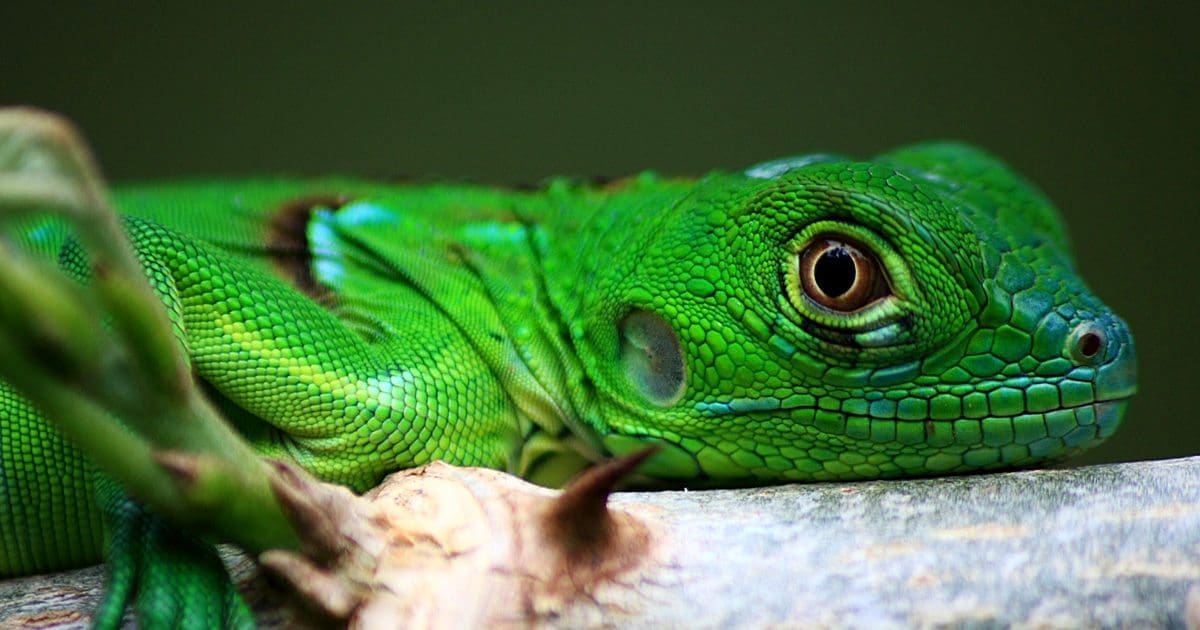
Iguana Care Sheet
Before purchasing your new baby iguana, consider if you are interested in a green iguana for sale, any color of iguana for sale or a blue iguana for sale online. Many places offering an iguana for sale online are offering wild caught specimens and should be avoided at all costs. Be sure to only purchase from a captive bred iguana breeder (like us!)
Iguanas are among the most popular pet reptiles. They love to bask in the sun or under an ultraviolet light, and they enjoy a diet of leafy greens and vegetables. Many people don’t realize that iguanas can grow to be quite large, exceeding 6 ft (1.8 m) in length. Iguanas should be properly socialized when they are young to ensure that they can be handled as adults. They require specialized housing and regular veterinary care and may not be a suitable pet for everyone.
Biological Facts
- Green Iguana: Iguana iguana
- Tree-dwelling lizard native to Mexico and South America
- Life span: 9 to 12 years
- Weight (adult): 5 lb to 20 lb (2.3 kg to 9 kg)
- Sexual maturity: 3-4 years
- Incubation: 73 to 93 days
- Average clutch size: 20-40 (hatchability may approach 100%)
Behavior
- Heat seeking: in the wild, spend many hours basking in the sun
- Solitary by nature, except during the breeding season
- Highly territorial; should be housed alone
- Can become accustomed to human touch, but excessive handling may cause stress
Diet
- Fresh, dark leafy greens such as kale, escarole, endive, collard greens, mustard greens, turnip greens, and leaf lettuce (Do not feed iceberg lettuce, as it lacks calcium and other nutrients.)
- Vegetables such as diced yellow squash, zucchini, and grated carrots
- Commercial iguana pellets
- Only low-protein foods, as too much protein may cause kidney damage
- Phosphorus-free calcium supplement dusted over greens daily for juveniles (animals up to 2 years of age) and once or twice weekly for adults
- Fresh water daily
Environment
- Large habitat that mimics the natural environment as closely as possible
- Maintain a temperature gradient ranging from 75ºF to 80ºF (23.9ºC-26.7ºC) in the coolest area and up to 95ºF to 100ºF (35ºC to 37.8ºC) in a basking area. Use infrared lamps and ceramic heat emitters rather than under-the-cage heat pads or hot rocks, which can cause severe burns.
- Provide ultraviolet (UV) light in the UVB spectrum. Lack of UVB radiation can cause vitamin D deficiency, inhibit calcium absorption, and result in metabolic bone disease.
- UVB bulbs come in two forms: fluorescent and mercury vapor. Prices for these lights range from $30 to $75. Replace fluorescent bulbs every 6 to 9 months as UVB bulbs lose UV output over time even though they continue to produce visible light. Mercury vapor UVB bulbs continue to produce UVB radiation and need to be replaced only when they stop producing light.
- Place UVB lights within 12 to 18 inches of the iguana’s basking area. The bulb should not be blocked by glass or plastic, which will filter out beneficial rays.
- Reptile carpet or newspaper as bedding (Avoid bark and wood chips, which may cause intestinal blockage if ingested.)
- Plenty of vertical space for climbing, with branches and platforms for perching
- Fresh water in a large pan for soaking and to stimulate defecation (Change the water daily and when soiled.)
Preventive Care
- Routine physical examination every 6 to 12 months
- Consult a veterinarian with experience treating reptiles if you have any questions or concerns about your iguana’s health.
- Annual fecal examination for parasites
- Blood tests as recommended by your veterinarian
- Spaying and neutering recommended
Common Medical Disorders
- Abscesses
- Egg binding in females
- Internal and external parasites
- Kidney disease
- Metabolic bone disease
- Prolapsed hemipenis in males
- Thermal burns
Large Tortoise for sale
With over 25 Species of captive bred tortoise for sale online with Overnight shipping, tortoise town is your source for the widest selection of healthy captive bred tortoises shipped overnight for early morning arrival. Our Large tortoise for sale selection includes some of the more rarer species like the Aldabra tortoise for sale, the African Sulcata tortoise for sale, including Ivory sulcata tortoises for sale, leopard tortoises for sale including the giant south african leopard tortoise (pardalis pardalis) as well as forrest species like the beautiful burmese black mountain tortoise and burmese brown tortoises for sale.
No products found which match your selection.
Medium Sized Tortoises for sale
Medium Tortoises for sale
With over 25 species of captive bred tortoises for sale, CBReptile has some spectacular medium sized tortoises for sale. Some of the medium sized tortoise species for sale include: Red Foot tortoise, Yellow Foot tortoise, Cherry head red foot tortoise, Sir Lankan Star Tortoise and Burmese Star Tortoises, Ibera Greek Tortoises, Golden Greek Tortoises, Leopard Tortoises, Giant South African Leopard Tortoises (Pardalis Pardalis), Elongated Tortoises, Marginated Tortoises, Hingeback Tortoise & More.
No products found which match your selection.
Small Tortoises for sale
Small Tortoise for sale
We have some fantastic small tortoises for sale including captive bred russian tortoises, hermann’s tortoise for sale, greek tortoises for sale, egyptian tortoise for sale and more.
No products found which match your selection.
Shop by Tortoise Size
Shop by Tortoise Size
Tortoises for sale come in all shapes and sizes! We have classified our baby tortoise for sale by size in the order of small tortoise for sale, medium tortoises for sale and large tortoises for sale. Some of the smallest tortoises for sale include: Russian tortoise, greek tortoise, hermann’s tortoise, indian star tortoise, egyptian tortoise and more. Some medium sized tortoises for sale include the Red Foot tortoise, yellow foot tortoise, cherry head tortoise, Burmese Star tortoise, Sri Lankan Star tortoise, Marginated tortoise, leopard tortoise to name a few. Our Large tortoise for sale section includes: Aldabra tortoises, Sulcata tortoise, Giant South African Leopard Tortoise, and more.
Chahoua Gecko Care Sheet
No products found which match your selection.
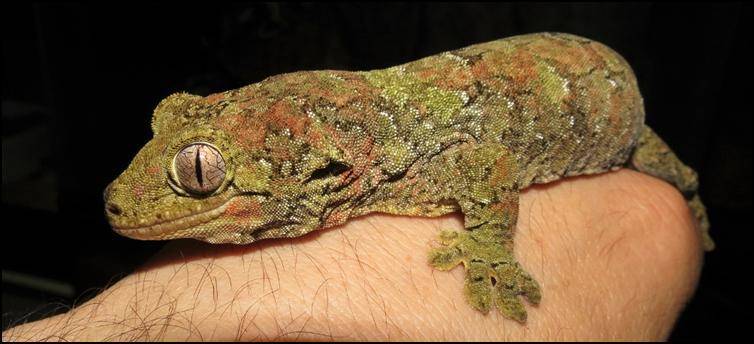
Chahoua Gecko Care Sheet
Before purchasing your new pet chahoua gecko for sale, be sure to find a reputable chahoua gecko breeder who only carries 100% captive bred baby chahoua geckos for sale online. The Chahoua gecko, also known as the Mossy gecko is the third largest Rhacodactylus species, reaching around 10 inches total length, and about 45-75g. They are a nocturnal gecko, but dont let that put you off! Mine will sleep out in the open for most of the day, and be wandering about by about 6pm, looking for their breakfast!
They are native to New Caledonia and the small islands around it, this is where the two different types of gecko come from. The Mainland, and Pine Isle locales. Pine Isle are slightly rarer to come by, and can be slightly larger than their mainland siblings, also their colours are supposed to be slightly brighter. However, mainland Chahoua’s can come in some stunning colours too.
Mossy geckos, like all Rhacs have sticky pads called ‘Lamellae’ on their toes and also on the very tip of their tails. They also have a Prehensile tail which functions as an extra limb, this is unique to Chahoua’s. Its very cute when you pick one up, as they start to curl their tails around your hand to get a better grip. This is one of the good features about them as well, as it makes them feel a lot more sturdy than other geckos, they aren’t going to fall anywhere!
Mossy Geckos shed their skin regularly, their skin will start to look white and papery. They will use cork bark to help them rub their skin off, as well as their own teeth, and their skin will come off all on one go. You wont usually find any evidence of shedding, other than a suddenly bright coloured gecko, as they will eat their shed skin.
It is not known exactly how long Chahoua’s will live in captivity, however it is suspected to top 20 years. They are a very long lived pet, so that should be taken into consideration before purchasing.
Female mossy’s can be quite hard to sex, but by about 12 months you should be able to clearly see a large bulge on the underside of the base of the tail, on a male Chahoua. You will also be able to spot little white spurs on either side of the bulge. You can identify the sex by looking for pre-anal pores on a male, however this is very difficult.
Housing
Chahoua’s are a semi-arboreal gecko, meaning they spend most of their time off the ground, on branches or tree trunks. Consequently, they require more height in their enclosure than say a leopard gecko. I keep most of my Chahoua’s in Exo Terra glass vivariums, as these are more suited to high humidity than a wooden tank. Plus, i can see my geckos better!
I would keep a single adult Chahoua in a minumum tank size of 45X45X60H, and they are perfectly happy in there for their whole lives. However, more space is always better, so i keep pretty much all of them in their own 45X60X60H. This just gives them that little bit extra room to move around.. and boy do they use it! A chahoua pair can be kept in a 45X45X60, but a 45X60X60 is much, much better.
They seem to really appreciate plenty of horizontally placed branches in their tanks, as well as large pieces of cork bark to snooze behind. You will find they also prefer slightly thicker branches than a crested gecko. All branches will need to be secured well, as Chahoua’s have an amusing habit of launching themselves at things quite hard.. so if a branch is just propped up, it could end up falling on top of the gecko. I use aquarium grade silicone to glue all my horizontal branches in, and this works a treat!
For substrate, i use eco earth and orchid bark, as this gives everything a nice natural look. Also, it really helps retain moisure, and keep the humidity high!
Always make sure all bulbs are outside their enclosure. Even a bulb with a guard is no good for geckos, you will need to get a reflector hood and sit it on top of the tank. This goes for UV bulbs to.
Heating, Lighting & Humidity
Heat:
Mossy geckos are not supposed to require any additional heat sources than that in your own house. This is what i was first told when i got Wally.. however i have a bit of a cold house, so i thought i would provide him with a spot light, just to be safe. After then seeing him bask under it every day since, i would never not supply one again!
I truly do think they appreciate a basking spot in their tanks, of about 80-84F, as all of them seem to sit under it during the day. However, you will need to make sure you can provide a good temperature gradient, and a place to hide at both sides of the tank during the day, so they can get away from the heat if they want to. The cool side of the tank should drop to about the mid 60’s to mid 70’s.
During the night i use one heat mat for each tank, attached to a mat-stat and stuck to the outside of the tank. This warms the tanks up to about 70-74F and they seem very happy indeed with that. I like to provide a heat mat just incase it is a chilly night, they can warm themselves up again.
I would always reccomend using thermostats to control the heating for Chahoua’s, as their temperatures need to be kept relatively cool and bulbs can easily overheat without one.
Lighting:
As a nocturnal animal, it is currently beleived that you do not need to supply Chahoua’s with any source of UV light. So far, i have not used UV lights for my chahouas, and they dont seem to suffer any ill without it. However, once i get my females breeding i think i am going to give it a go with them, and see how they respond to it.
Humidity:
It is thought that Chahoua’s are supposed to need more humidity than Crested Geckos, however i dont keep them so i cant comment on that. They do however need their tanks to be kept nice and humid, at about 55-70% humidty. This can fairly easily be acheived by having a damp substrate, a water bowl, and misting their tanks once or twice a day (alowing it to dry between sprayings). Humidity can be measured using a digital hydrometer, which are fairly easy to get hold of in most pet shops.
Feeding
Mossy Geckos are partly frugivorous, which basically means that their diets consist of non-citrus fruit, as well as insects. I feed my chahoua’s with Crested Gecko meal replacement powder (CGD), developed by Allen Rapashy, this contains all the calcium they need.
I just blend some fresh fruit (Mango, pears, strawberies, kiwi etc) and add in some CGD (about 15-20g per two large pieces of fruit, eg a mango+pear) splash in a couple of tablespoons of water and a teaspoon of organic honey and voila! If you pour this mix into ice cube trays and freeze, you can defrost a cube at a time, and it will last for ages! (I tend to chuck mine if its been in the freezer longer than 3 months).
Be careful when feeding banana’s to Chahoua’s, as they are known to bind calcium and can be bad for them if fed too much. Also Citrus fruit should always be avoided.
Like most Rhacodactylus, Chahoua’s can be fed live insects such as, crickets, locusts and roaches. I tend to find mine actually prefer their fruit mix to bugs, but they do like a nice black cricket or large locust! It is best to follow the rule of – no bigger than the distance between the geckos eyes – when it comes to feeding livefoods, and always make sure you dust their livefood with calcium powder.
Some people do feed their mossy geckos baby food, however i would never do it myself and i wouldn’t reccomend using it, as it is just not meant for reptile consumption – too much sugar, preservatives and chemicals. It can also put the gecko off going back into healthier foods such as CDG.
I replace my Chewies fruit mix every two days, so the fruit doesn’t go off, and they get a constant supply, and i offer them insects twice a week.
I feed my mossy’s about an hour after the lights go off at night, as they are most active during the night.
Breeding
Chahoua’s are one of the harder Rhac species to succesfully breed, and hatch out.
Females must be of a good age and weight before breeding can be considered. Preferably i would say keep males and females seperate untill the females are about 2 years old, and the males about 18 months. This is because of the amount of strain a females body is put under during egg production.
During mating, the male will mount the female, and grasp the soft fleshy part of her neck with his mouth. The male can get quite noisy while this is happening, making clicking noises (a bit like an angry chittering hamster in my experiance) and although it may look a bit rough, it is completely normal.
A female will normally be gravid for around 30-35 days, before she produces two eggs. I think on average, they lay around 3 clutches a year, but they can go on to lay as many as 6, as the females can retain sperm.
The female wont bury her eggs (i say that, she might, but they dont usually), they tend to lay them on the surface of the substrate or under some leaf litter. Chahoua’s tend to ignore any lay boxes provided and go off and hide their eggs in the most hidden away place they can find lol which can be annoying. However, it is always worth trying to provide them with something to lay in, just incase.
You should keep a very close eye if you think a female is about to lay eggs, as if left too long in the enclosure they will dry out and die. If you do manage to find the eggs, very carefully mark the top with a soft pencil, and do not turn them from that position. The reason you cannot turn the eggs is that the embryo inside the egg will have attached itself to the shell, and tipping it upside down can either sever the connection, or drown it.
Mossy eggs are the most highly calcified eggs of all Rhacs, so the shells are a lot thicker and harder. This is not neccesarily a good thing though, as it is a lot harder to tell whatis going on inside the eggs. They may look fine from the outside, but actually be dehydrated. This is also why the hatch rate of these geckos is a lot lower than other Rhacs, the babies inside can fully deveop, then be unable to break through the thick shell, and die.
Another problem with the high amount of calcium used on the eggs is of course what it does to the mother. After laying her eggs, the female should be taken special care of, to make sure she gets lots of extra calcium to build up her supplies again.
Eggs can take anything from 70 – 200 days to hatch (i know!), so it is a biiig waiting game on these little guys. The eggs should be incubated at around 27C, and should hopefully hatch out within about 90-100 days. They need to be on a suitable substrate (vermiculite, perlite etc) and the substrate must be kept moist. Try to give the eggs some air a couple of times a week, to prevent it becoming too stale.
If your lucky enough to have baby mossy’s hatch, the worrying is over! Woohoo!
Any baby Chahoua’s that make it out of the eggs will be super strong, and resiliant, and are just miniatures of the adults, already able to look after themselves! You can transfer them to a small plastic faunarium after 24hrs, on damp paper towels. Make sure you remove any of the incubation substrate, as they could swallow this and choke. And just keep an eye on them for their first shed, as this is a big thing for such a little gecko!
Try to keep their tanks simple and safe, and handling to a minimum while they are really tiny (as they are a bit skitty), and move them into progressively bigger tanks as they grow
chahoua geckos for sale
No products found which match your selection.
Chahoua geckos for sale online
We have a fantastic selection of chahoua gecko for sale online including baby chahoua gecko for sale, juvenile chahoua geckos for sale and young adult chahoua geckos for sale. As a chahoua gecko breeder we only work with captive bred chahoua geckos for sale. With a biologist on site, cb reptile allows our customers to shop with confidence, as all of our reptiles for sale come with our full live arrival and 7 day health guarantee!
If you are interested in learning about chahoua gecko care, please check out our chahoua gecko care sheet and learn about chahoua gecko diet, chahoua gecko habitat setup, chahoua gecko diet, chahoua gecko breeding and more.
Viper Geckos for sale
No products found which match your selection.
Viper Gecko Information:
Before purchasing your new pet viper gecko for sale, be sure to find a reputable captive bred viper gecko breeder (like us!) and do your research so you can enjoy your new pet viper gecko for sale for years to come by providing proper viper gecko care.
Viper Gecko NATIVE REGION
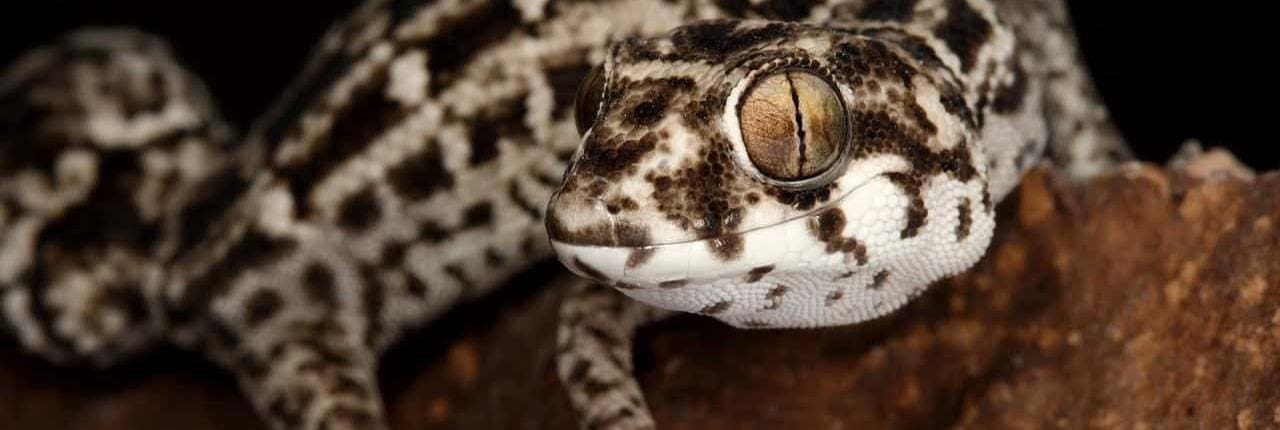
Viper geckos for sale are becoming very popular as they can make fantastic pet geckos. Viper geckos, also called carrot tail geckos, (not to be confused with the carrot tail Leopard Gecko) are a small, terrestrial species found in Pakistan. Most of these geckos will grow to be 3-4 inches at maturity. In their natural environment, these geckos are often found hiding beneath rocks and in rock crevices. Their general coloration is a dark brown, with gray and white bands running up and down their body. They are also prone to light gray speckling.
Viper Geckos TEMPERATURE – HUMIDITY
Viper geckos should have a hot spot of 85-95 F during the day. Their nighttime temperatures can fall to 75 F. As with all reptiles, you should always provide a temperature gradient. Always remember with any heating device, light, tape, or commercial heater, — USE A THERMOSTAT AND MONITOR WITH A THERMOMETER! DO NOT GUESS! DO NOT — USE HEAT ROCKS! With them being from the desert, they do not need any humidity.
Viper Gecko LIGHTING
Viper geckos do not require UV lighting. However, like all reptiles, you do need to create a proper photoperiod. During the summer you should offer your viper gecko a day light cycle of 14 hours on, with 10 hours off to make up the night cycle. As winter approaches, you should change their photoperiod so that they end up with 10 hours of light with 14 hours of darkness. To make the change more natural and gradual, you could begin by changing the day cycle to 13 hours with a night cycle of 11 for 2 weeks. This is best started in the fall months. Then you could offer both the day and night cycle of 12 hours for another week. The next week could then be followed by an 11 hour day cycle, with a 13 hour night cycle and for the remainder of the winter, offer the 10 hours of night and 14 hours of darkness. As spring approaches, simply reverse the gradual changes so that the day cycle increases and the night cycle decreases.
This would help create a more natural approach to the changing of the seasons.
Viper Gecko HOUSING
Viper geckos do no not require large enclosures for housing. (Bigger IS always better and more natural. They are not confined in the wild to a 10 gallon enclosure.) Due to their size, Viper geckos can be adequately housed in a shoe box tote (12 qt) with a screen lid or a 10 gallon tank.
These geckos can be housed in pairs of one female and one male or multiple females to one male. Never keep two males together.
You should provide ample hiding places for your vipers. The hides should be placed on each end of the enclosure. (If you created a proper heat gradient, this will allow the vipers to choose the end they require for proper thermo-regulation.) Hides can include half clay pots, cork bark, and commercial hides. Plant pot bottoms make great low lying hides.
To give your vipers something to climb and play on, you can use some larger rocks or bust a clay pot, and scatter that around the enclosure. If you use larger rocks, make sure they are secure. You don’t want anything capable of falling on your gecko.
If you have a gravid female, you should include a small box of moistened sand as a laying box.
Viper Gecko SUBSTRATE
You can keep them on paper towel, play sand, or coconut fibers. Sand is more appealing to the eye, but paper towel lowers the chance of impaction.
Viper Geck DIET
Viper geckos are insectivores. Crickets, waxworms, mealworms, small beetles, and fruit flies make up the bulk of their captive diet. Their staple food should be Crickets, and should be dusted every 3-4 days with Calcium & Vitamin supplements for adults and every 1-2 days for hatchlings. (Over supplementing any reptile can lead to illness such as hypercalcemia and vitaminosis.) As with many lizards, the prey size is depicted by the width of the space between their eyes.
An additional small dish of Calcium should be provided at all times. Supplements such as Herptivite and repcal calcium with D3 are adequate.
Viper Gecko SEXING
Sexing a Viper gecko is easier than one would think. The males will form large hemipenal bulges at the base of their tail, making them easy to distinguish from the females. You can generally sex them at 3-4 months of age. The older the gecko is, the easier they will be to sex.
Viper Gecko BREEDING
Viper geckos sexually mature at 10-12 months. Males mature faster than females do, and can be ready to breed at 7 months. The female will lay a pair of eggs, pea sized, in the moist hide you provided. They continue to lay a pair of eggs every 2-4 weeks for 8 months.
Once the eggs are located you should place them in an incubator at 83-86F with 50-60% humidity for 40-55 days. CBReptile.com is proud to offer the finest geckos for sale online of any online reptile breeder. We are a gecko breeder of many species and are well known for being a leopard gecko breeder, gargoyle gecko breeder and crested gecko breeder. Recently we started working with chaouho gecko for sale and viper geckos for sale and are now viper gecko breeders as well as a chahoua gecko breeder
Chameleon Care Sheet
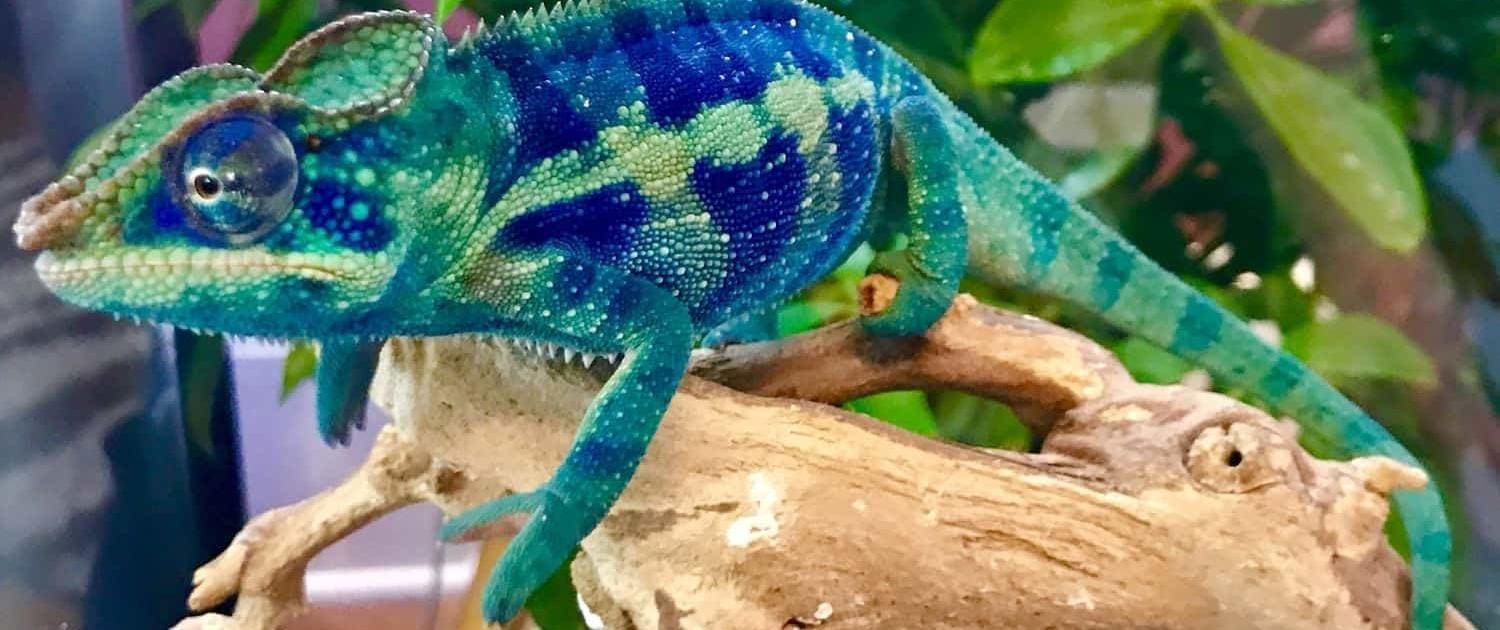
CBREPTILE.COM‘s Chameleon Care Guide
Congratulations on choosing a chameleon as your next pet reptile! It is VERY important that you follow the instructions below IMMEDIATELY to ensure your new is happy, healthy and well fed and hydrated.
Chameleon Caging
To make locating prey items easier for your baby chameleon, cage your new pet in a small enclosure. All screen cages 16 inches long by 16 inches wide by 20 inches tall will work for the first six months of life. After that, adult male panther chameleons should be kept in a minimum of 18 inches long by 18 inches wide by 36 inches tall enclosures, whereas female panther chameleons can be kept in 16 inches long by 16 inches wide by 30 inches tall enclosures. These sizes are the absolute minimum, and as always, bigger is better! Decorate the cage with live, nontoxic plants and various sticks or vines. Ficus Benjamina, Schefflera, and Pothosplants all make great choices. Chameleons love to climb, and live plants will give them places to hide and feel secure. Screen is always preferred over glass, as chameleons can easily get an upper respiratory infection if kept in stagnant air. We recommend the Zoo med Reptibreeze medium for females and juveniles and the Reptibreeze XL for the adult males. The deluxe models with glass viewing doors are preferred and will help maintain humidity.
Chameleon Lighting and Temperature
Provide two types of light: one UVB bulb (we recommend the ReptiSun 5.0 for smaller cages and 10.0 for larger) the more foliage you have inside the cage the better, and the higher wattage UVB lamp you will need to provide adequate UVB exposure. If you are utilizing a live plant inside the habitat, consider purchasing a T5 dual lamp fixture and adding one 10k grow / uva lamp for the plant, and and a UVB lamp for the chameleon. Adult chameleons need a basking spot of around 100 degrees Fahrenheit with the ambient temperature between 75 to 85 degrees; smaller panther chameleons should have a basking area of 85 to 90 degrees with a lower ambient temperature of around 75 degrees. It is important for panther chameleons to thermoregulate. That is why you place lights toward the top of the cage.
Chameleon Substrate
Chameleon cages are best left with a bare bottom. Substrate will only complicate the cleaning of your chameleon’s cage and give insects a place to hide. If you choose to have substrate, keep it simple with paper towels or newspaper. Humidity is provided when you water your plants and chameleon.
Chameleon Food
It is VERY important that you have the right SIZED crickets for juvenile and baby chameleons. We recommend a 1 week old cricket (1/16”) for all chameleons 0-6 months old, with 2 week old crickets being an option around month 3. A good diet is a varied diet! Crickets are the main staple, but superworms, silkworms, hornworms, waxworms, roaches, stick bugs, etc., can all – and should all – be offered to your panther chameleons. Make sure you feed gut-loaded insects. It is also necessary to dust your insects with vitamin powders. You can do this a number of ways. I recommend doing calcium three times a week, calcium with D3 once a week, a small dusting of Miner-All one time a week and Herptavite one time every other week.
Chameleon Water
Water is one of the most important things to consider when keeping achameleon, as they love to drink and need to every day. Misting the chameleon two to three times a day will keep the humidity in the required 60 to 70 percent range and will also allow the animal a chance to drink but will not provide proper hydration. We believe a proper misting system is 100% NECESSARY with all chameleon species. We highly recommend the MIST KING system, available on our website. If you have purchased a chameleon, and DO NOT have a misting system setup, please stop what you’re doing and order one OVERNIGHT now, as your new cham will not survive long without one. The best way to run a misting system is to have it come on for 3-4 full 2 minute mists a day, and then 3-4 15-20 second mists per day to maintain humidity. We also suggest running a drip system most of the day at least twice a week. This will allow the chameleon to drink nice full drops of water whenever it likes. It will also keep your plants watered.
Chameleon Handling and Temperament
Panther chameleons are one of the more docile of the common chameleon types, though you can get an occasional grumpy one. Veiled are not as friendly as panthers and tolerate handling less. It is important to remember that chameleons like to be left alone. They are a great display animal that should not be handled on a daily basis. Some tips to remember when handling a chameleon are to approach the chameleon from the bottom. A hand coming from above can be taken as an attack. If you have a grumpy chameleon, first coax it onto a stick and then onto your hand or arm. With time, most chameleons come to associate their owner with food and will often come to the door in anticipation of feeding.
No products found which match your selection.
Blanding's turtle for sale
No products found which match your selection.
Blanding’s turtles for sale
Blanding’s Turtles (Emydoidea blandingii)
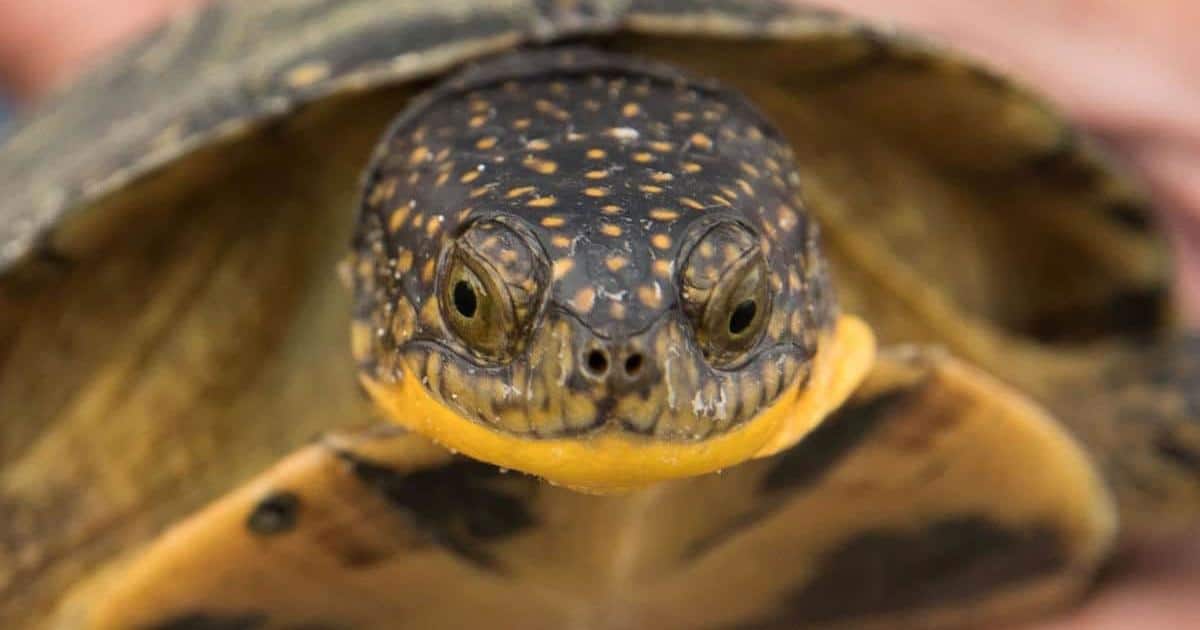
Before purchasing a new baby blanding’s turtle for sale or a pair of blanding’s turtles for sale online, please do your research and make sure you ONLY purchase captive bred blanding’s turtle for sale or captive bred blandings turtles for sale. Known as “the turtle that smiles”, the Blanding’s turtle occurs in the northern most portions of the United States but also in Ontario and Nova Scotia. Disjunct populations in New York and New England are found while the main concentration of these turtles is located around the Great Lakes region. They are now listed under CITES ll and are considered threated or endangered in their native states. It is typically heavily protected and can no longer be legally exported. Road mortalities are this turtle’s biggest threat along with nest predation and over-collection for the black market pet trade. It is not legal to remove a Blanding’s turtle from the wild anywhere they occur. A cold hardy turtle, Blanding’s withstand harsh, long winters. Being subjected to these cold periods of dormancy allows them to successfully reproduce. It is highly recommended that these turtles be hibernated in captivity. Blanding’s turtles are medium to large sized as adults with males usually being a bit larger. A dark green to black carapace mottled with yellow spots, rays and flecks at a length of between 7 and 10 inches is typical. The carapace is also oval and features no flaring of the marginal scutes except in some males. The yellow plastron with a black blotch on each plate has a single hinge. This turtle is unique in having an extremely long neck much like a snake-neck turtle. They differ in that the head is not carried to the side but is held straight forward like other North American emydids. The head is somewhat flat with large “frog-like” eyes and the jaws reveal a big smile. The chin and throat are a bright yellow which can be spotted from a distance. The rest of the head and neck are dark with few if any markings. Sometimes, yellow flecks are found on the top of the head like on the carapace. The front limbs are dark with yellow scales and are equipped with large, sharp claws. Both the front and rear feet resemble those found on the box turtle which can sometimes confuse humans trying to identify them. The box turtle-like limbs and the hinged plastron make the Blanding’s turtle similar in appearance. Blanding’s however, cannot fully close up like the box turtle. Males exhibit a concave plastron, a longer, thicker tail a slight trapezoidal shape at times and may have a larger, broader head than females.
Emydoidea are found in highly vegetated, shallow water but are sometimes found in deep lakes. Farm ponds, wet meadows, marshes, bogs and even slow moving streams are inhabited. These turtles also move between bodies of water especially in the spring after hibernation, during nesting season and before hibernation in autumn. They are active from March until October with egg laying taking place in June. They hibernate under thick ice from November until March or April depending on the area. They are so cold tolerant that they can be seen slowly moving under the ice during the coldest of months.
Blanding’s Turtle for sale Availability of blanding’s turtles for sale online
Blanding’s turtles are not commonly available except in late summer-early fall when hatchlings have emerged. Adults are seldom seen for sale and fetch a very high price. Babies do well under captive conditions and may grow fast for the first 1 to 2 years before slowing down. The wild, this species can take up to 20 years to mature. In captivity this may happen much quicker but not as quickly as many other species. Beware of individuals offering Blanding’s turtles for sale in states where they are protected. This is an unfortunate and common practice which can lead to heavy fines or jail time as per the United States Fish and Wildlife Service. 100% legal and healthy Blanding’s hatchlings are available at Garden State Tortoise every fall. These babies are produced by our amazing adults, born right here.
Life Span
Emydoidea blandingii are known to be one of the longest lived of the turtles. In Michigan, studies taking place are showing that old adult turtles recorded in the 1970s are still producing fertile clutches of eggs today in 2013. Reports of turtles in their 80s and even 100s are not unheard of. They are highly adaptive and have voracious appetites.
Caging
Blanding’s turtles should only be housed indoors while they are young. A 20 gallon long aquarium will suffice for 1 to 3 hatchlings. A 40 gallon breeder is even better and Rubbermaid totes prove to be excellent enclosures as well. They are also easy to clean. Once the turtles are at a less vulnerable size (4” SCL or more) they can be moved outdoors. We recommend an outdoor, in-ground pond. These turtles need both swimming room and walking room. They will take to land more than often where they will continue foraging for food unlike other semi-aquatic turtles. Nesting females also require a large land area to search for an appropriate site for oviposition. A 30×30 foot pen with a 15×15 water area in it will suffice for a small group of adults (1.3 or 2.4). The walls of the pen must be secure to keep the turtles in. This means, they should be at least 18” high and dug into the ground by about 6”. The walls can be made out of pressure treated wood, cement blocking, landscaping timbers and other fencing materials. These turtles can climb well so be sure to take appropriate measures in preventing escapes. The water area should be made of 45 to 65 mil fish friendly, pond liner and must be more than 18” deep. This is where the turtles will spend the winter so an adequate depth is crucial to avoid a solid freeze. Be sure to gradually slope the pond basin when digging it so that the turtles can easily get in and out of the water. The deepest part should be in the middle. Aquatic and land vegetation is an absolute must. Water hyacinth, water lettuce, lotus, various lilies, iris, cattails, frog bit and anacharis are all excellent choices for the pond itself. The turtles will greatly appreciate these items by hiding in them and searching for food. The land area can be planted with many different low lying shrubs, grasses and flowering plants. In the summer months, the turtles will leave the pond at times to hide under the foliage to escape the extreme heat and warming water. A gravel or sandy area should also be provided for the females to lay their eggs. This area should have little cover. Logs, drift wood or planking can be added to the water area as basking platforms. Avoid using too many rocks because they can be abrasive to the turtles’ plastrons. Filtration of the pond is optional. We prefer to use as many live plants as possible because they naturally filter the water. A peat based bottom is provided in which the plants are able to root in and grow. In combination with over flowing the pond bi-weekly, the plants help to keep the water in good condition.
Lighting, Temperature and Humidity
Natural sunlight is of course unbeatable and even baby Blanding’s turtles should receive at least some outdoor time in predator protected units. However, there are several lighting options for keeping them inside. Mercury vapor bulbs, daylight spot bulbs, infrared bulbs and fluorescent tube lights are all available to keepers today. We prefer Mercury vapor bulbs which provide both UVA and UVB to the turtles. 100-150 watt bulbs over a dry basking area of drift wood or cork bark do the trick. Do not use aquarium water heaters with Blanding’s turtles. They must be kept in cooler water no higher than 70-75F. They do not care for excess heat and temperatures can drop well into the low 60s and high 50s during the night with no additional heating requirements needed. The lights should be turned on in the morning and left on for 12 to 14 hours. It’s important to turn them off at night so that the turtles are exposed to a more natural, daily cycle like they would experience outdoors.
Substrate
Indoors, I prefer to not use any substrate simply because without it, the enclosures are much easier to clean. I especially like to do this because I do not use filters. Instead, I choose to do frequent water changes with Blanding’s turtles. If you would like to use a substrate, pea gravel is a good option. Outdoors, the pond area should have a 12-24” layer of peat and mud for the turtles to burrow into and for the plants to take root in. Allow leaves to collect in the pond during the fall because they will aid the turtles in hunkering down for hibernation.
Food
Emydoidea blandingii are vigorous feeders. They accept a wide variety of items and are very carnivorous. I have only once witnessed a specimen attempt to eat something that was not “meat”. This was a strawberry and perhaps the turtle thought it was meat because of the red coloration. Baby Blanding’s will accept any of the commercial turtle pellets available in time. Adults prefer fish, frogs, tadpoles, mice, beef heart, chicken parts, crayfish and other animal matter. We have success feeding our adults pinky mice (occasionally whole, adult mice), young bull and green frogs, beef heart, chicken hearts, gizzards and livers, smelt, silversides, tilapia, killies and frozen/thawed crayfish. We also offer them wet dog food but only brands that use whole/natural ingredients. Blandingii are comical and aggressive when feeding and will follow you around on sight in hopes that you have something for them!
Be careful to not over-feed. They will eat and eat and eat. They are known to stuff themselves to the point of regurgitation.
Blanding’s turtle Temperament
This is an extremely responsive species. They will quickly associate their keepers as a food source which prompts an aggressive response. Our Blanding’s turtles will notice us from a distance and will actively move toward us. They will swim powerfully, climbing out of the water almost agilely to get to a potential food item. They learn to lose their fear of humans rather swiftly. They are a very rewarding turtle to work with to say the least.
Reproduction and Breeding
Like North American wood turtles, Blanding’s turtles have two peaks in breeding behavior. Early autumn and spring seem to hold the highest frequency of mating activity. Mating takes place in an aquatic setting and rarely occurs on land except for when the female hauls the male out of the water while he is latched onto her. The male will climb on top of the female and grasp the front end of her carapace with his strong claws. He then snakes his head downward in front of hers while moving it from side to side. If the female accepts, he will begin successful copulation with her. They may remain together, floating at the surface or fully submerged for some time. In late May, female Blanding’s turtles become restless, may accept less food or stop eating completely. As June sets in, they will pace relentlessly in search of a nesting site. On a warm night, many times after a rain shower or thunder storm, the females will usually select a spot to dig a nest. Nesting may commence between the hours of 6 and 9 pm but I have experienced even later attempts, sometimes as late as 12 am. Gravel based or sandy slopes and dunes are hotly contested as are dirt paths and roadways. As the sun goes down, the female Blanding’s turtle will use her hind legs to dig a flask shaped nest in the earth. She will deposit between 6 and up to 20 eggs in the nest before covering it up. She may use debris to help disguise the nest site from predators. The whole process can take more than two hours depending on the individual turtle. Once completed, she makes the dangerous trek back to her watery home. At Garden State Tortoise we artificially incubate our Blanding’s turtle eggs as with all species bred here. They are placed in deli cup containers on moistened vermiculite. The deli cups (with a few small air holes punched in them) are then put in an incubator set at between 84 and 86F. Emydoidea in our care tend to hatch rather fast at between 45 and 60 days. Upon hatching, the babies are left in the containers inside the incubators until they have fully absorbed their yolk sacs. They are then taken to their rearing enclosures where they begin normal daily routines and experience care in captivity. They may not accept food for up to 10 days after hatching.
This valuable blanding’s turtle Information provided with consent from Chris Leone of Garden State Tortoise LLC