

Striped Knee Tarantula Care Guide: Enclosure, Humidity, Diet and Behavior
The striped knee tarantula, also called the Costa Rican zebra tarantula (Aphonopelma seemanni), is a sturdy, ground-dwelling spider with a bold look: dark legs crossed by pale stripes, with light bands at the knee joints. It is active, tolerant of a wide range of conditions and a popular choice for keepers who want a display-worthy tarantula without extreme care demands. This guide explains what the species needs from day one. You can meet our captive-bred striped knee tarantula at www.CbReptile.com.
Natural History
The species ranges through Central America, including Costa Rica, Nicaragua and nearby regions, where it lives in dry to seasonally humid scrub and forest edges. It is a burrower, spending the day in a self-dug retreat or under logs and rocks, then emerging in the evening to hunt. Understanding this lifestyle explains most of its care requirements: it needs depth to dig, a hiding place that feels secure and a space that is never soggy.
Appearance
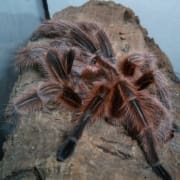
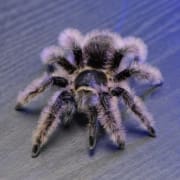
Adults have a charcoal to black body and legs marked with pale, cream-colored striping that runs lengthwise, plus a lighter band at each knee. The carapace is dark with a subtle sheen, and the abdomen is covered in fine hairs that can appear brownish or reddish. Spiderlings often look duller before their patterns sharpen after several molts. Like all tarantulas, the species has urticating hairs on the abdomen that it can flick when threatened.

Size and Lifespan
Adults typically reach a leg span of roughly 5 to 6 inches. Females are generally larger, heavier and much longer lived than males. A female can live for 20 years or more in captivity, while males usually mature earlier and live only a few years after their final molt. Growth is moderate, so patience is part of keeping this species.
Temperament and Behavior
This is a fairly hardy and often active tarantula, but it is still a defensive animal. When disturbed it may rear up in a threat pose, flick hairs or bolt into its burrow. It is best treated as a display animal rather than one to handle. A tarantula that suddenly refuses food, hides constantly and has a swollen, dark abdomen is probably preparing to molt, and it should be left undisturbed until it has recovered fully.
Enclosure
An adult does well in a front-opening or top-opening terrarium about 12 x 12 x 12 inches to 16 x 8 x 8 inches, with more floor space than height. Falls are dangerous for heavy-bodied spiders, so keep decor low. Good setup elements include:
- Substrate: 4 to 6 inches of coconut fiber or a soil and coir mix so the spider can burrow
- Hide: a cork bark half-round or a pre-made burrow starter
- Water: a shallow, stable dish that is cleaned regularly
- Ventilation: cross-flow airflow to prevent stale, damp conditions
- Lid: a secure, escape-proof top, as tarantulas are surprisingly good at finding gaps
Temperature and Humidity
Normal room temperatures between about 72 and 82 degrees Fahrenheit suit most keepers, and a heat source is rarely needed in a warm home. Aim for moderate humidity: keep one side of the enclosure lightly damp while the surface stays mostly dry. Mold, mites and standing water are signs the enclosure is too wet. Avoid fogging the whole tank, as this species is not a rainforest spider.
Diet and Feeding
Striped knee tarantulas are opportunistic hunters. Feed appropriately sized insects such as crickets, dubia roaches or similar feeders that are no longer than the tarantula’s body. Spiderlings eat small prey every few days, while adults can be fed every one to two weeks. Always remove uneaten prey, especially before a molt, since live insects can injure a soft, freshly molted spider. A fasting spider is not necessarily unhealthy; appetite often drops sharply around molting.
Molting
Tarantulas grow by shedding their exoskeleton. Before a molt the animal may seal its burrow with webbing and refuse food. Do not try to assist it, and avoid disturbing the enclosure. After the molt, wait several days before offering food so the fangs can harden.
Why Captive-Bred Matters
Wild collection puts pressure on natural populations and exposes spiders to stress, parasites and unpredictable health. Captive-bred tarantulas are accustomed to enclosure life, feed readily and have a known background, which makes the first months easier. If you enjoy burrowing species, you may also like the curly hair tarantula or the Roatan Island purple tarantula, which have different looks and similar basic needs.
Striped Knee Tarantula FAQ
Is the striped knee tarantula good for beginners?
Many keepers consider it a manageable choice because it is hardy and not overly sensitive to humidity, but any tarantula still needs research and calm, careful husbandry.
Does it bite?
A bite is possible if the animal is cornered or handled. Most defensive behavior begins with threat displays or hair flicking, so use long tools for maintenance.
How often should I mist the enclosure?
Rather than frequent misting, keep a water dish filled and dampen one corner of the substrate occasionally, letting the rest stay dry.
Can two be housed together?
No. Tarantulas are solitary and may attack or eat each other, so each one needs its own enclosure.
Learn More
If a striped knee tarantula sounds like the right fit, explore the full striped knee tarantula listing and meet our captive-bred spiders and other animals at www.CbReptile.com.


Leave a Reply
Want to join the discussion?Feel free to contribute!