

Yellow Niger Uromastyx Care Guide: Heat, UVB, Diet and Burrow Setup
The yellow Niger uromastyx is a spiny-tailed lizard prized for its sunny coloring, calm manner and desert personality. Often associated with the Saharan uromastyx (Uromastyx geyri) and its colorful forms, it is a vegetarian that spends its days basking, burrowing and grazing. It does well for keepers who can give it high heat, strong UVB light and a dry enclosure. This guide covers how to keep one healthy, and you can meet our captive-bred yellow Niger uromastyx at www.CbReptile.com.
Natural History
Uromastyx lizards live in the arid regions of North Africa and the Middle East. They shelter in deep burrows to escape extreme heat and cold, emerge once temperatures rise, and forage on sparse desert plants and seeds. Their thick, spiny tail doubles as a plug: a threatened lizard backs into its burrow and blocks the entrance. Their needs in captivity are a direct reflection of this desert lifestyle.
Appearance
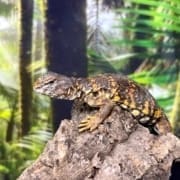
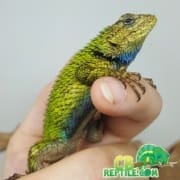
Yellow Niger uromastyx have a flattened body, a rounded head and a heavy tail covered in rings of spiked scales. Males are typically the most vivid, with bright yellow, orange or red tones spread across the body. Females are often a softer color. The shade changes with temperature: a cool lizard is darker and duller, while a warm, active one lightens and brightens, which is why keepers often see the best color in the middle of the day under the basking lamp.

Size and Lifespan
This species is a smaller uromastyx, with adults often reaching about 12 to 16 inches in total length. With good husbandry, uromastyx can live 15 years or more, so they are a long-term companion. Slow, steady growth is normal when the lizard has strong lighting and the right diet.
Temperament
Uromastyx are typically calm and curious. Many become comfortable with their keepers over time and are usually not aggressive. They are still wary of being grabbed from above, and a lizard that puffs up, hisses or retreats to its hide is telling you to slow down. Patient, gentle handling in short sessions works best.
Enclosure
An adult needs a large enclosure, with a footprint of at least 4 x 2 feet and more space preferred. Floor area matters more than height. Key setup points include:

- Substrate: a dry, sand and soil mix that is deep enough for digging
- Basking area: a flat stone or slate under the heat lamp
- Hides: a sturdy cave on both the warm and cool sides
- Climbing and rocks: stable, well-secured pieces so digging cannot cause a collapse
- Cool, dry air: good ventilation and no damp corners
Heat, UVB and Humidity
Uromastyx need serious heat. A basking surface of about 120 to 135 degrees Fahrenheit, with an ambient warm side in the 90s and a cooler side in the 80s, supports healthy digestion and activity. Temperatures can drop at night. A strong UVB tube sized for desert reptiles, replaced on the manufacturer’s schedule, is essential for calcium use and bone health. Humidity should stay low. Use a reliable thermometer and an infrared temperature gun to check the surface, not just the air.
Diet and Feeding
These lizards are largely herbivorous. A good base is dark leafy greens and a variety of dry seeds and legumes, with occasional flowers or other safe plants. Avoid fruit-heavy or protein-heavy diets, which can lead to health problems. A light dusting of calcium helps, and a shallow dish of fresh water should always be available even though they drink little. Some keepers also offer an occasional shallow soak to encourage hydration. Some young uromastyx eat a small number of insects, but adults generally do best on plants and seeds.
Handling and Daily Care
Spot-clean waste daily and replace the substrate when it gets dirty. Offer fresh greens in the morning so the lizard can eat while warm. When picking a uromastyx up, support its body from underneath rather than grabbing the tail. A calm routine reduces stress and helps the lizard show its natural colors.
Why Captive-Bred Matters
Wild-collected uromastyx often arrive with parasites and stress, and many struggle to adapt to captivity. Captive-bred animals start in a controlled environment, learn to take prepared foods and are far better suited to long-term life with a keeper. If you want to compare species, our red uromastyx has a similar care routine and a different color palette.
Yellow Niger Uromastyx FAQ
Do uromastyx need a heat lamp?
Yes. They are desert animals and need a hot basking spot and strong UVB light for proper digestion and bone health.
Can uromastyx eat insects?
Adults are mostly plant eaters. Plants and seeds should make up nearly all of the diet.
Why is my uromastyx dark in the morning?
Dark color in the cool hours is normal. As the lizard warms under the basking light, its color brightens.
Can uromastyx live together?
Males can be territorial, so a single lizard per enclosure is the safest approach unless an experienced keeper is managing a compatible pair.
Learn More
To see more about this colorful desert lizard, visit the yellow Niger uromastyx page and explore our captive-bred reptiles at www.CbReptile.com.


Leave a Reply
Want to join the discussion?Feel free to contribute!